celebrity
Savannah Bond: Biography, Age, Career, Background, and Facts (2026)

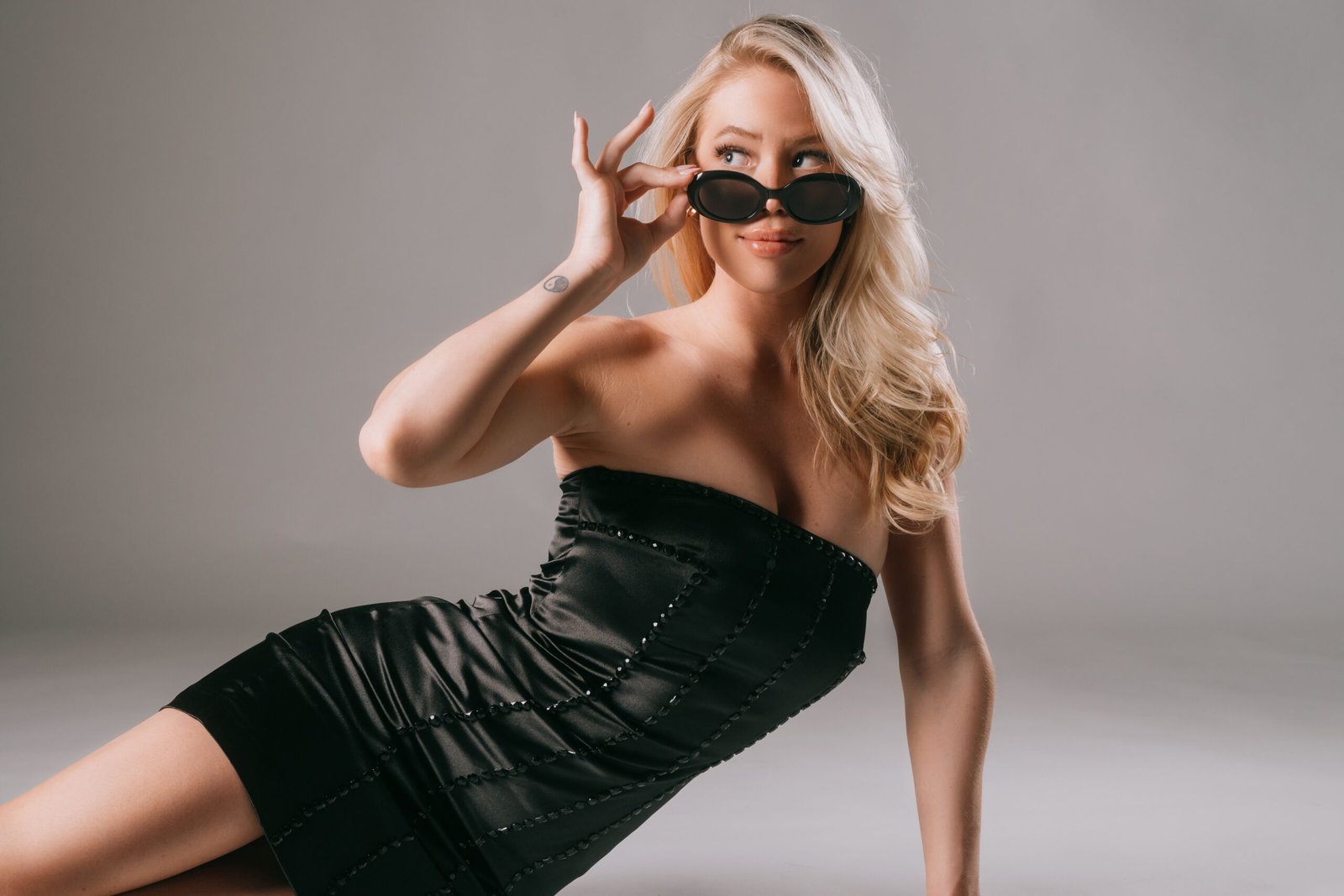
Savannah Bond is an Australian adult-film performer who became known internationally through her work in the adult entertainment industry. Her professional profile has attracted attention from audiences interested in performer biographies, career development, and the people behind well-known screen names. As with many public figures working in entertainment, interest in Savannah Bond extends to her background, professional milestones, public appearances, and life outside her work.
In this Savannah Bond biography for 2026, we examine the publicly reported information about her background, entry into entertainment, professional career, public image, and frequently asked questions. We also distinguish established biographical details from information that is not consistently verified, helping readers understand her career without relying on speculation about her private life.
Savannah Bond’s Early Life and Australian Background
Savannah Bond was born in Melbourne, Victoria, Australia. IMDb lists her birth date as June 6, 1990, which would make her 36 years old in October 2026. However, biographical details should be checked against reliable sources because some online profiles contain inconsistent information.
According to published biographical reporting, Bond studied beauty therapy and worked in retail before pursuing entertainment. She also worked as a dancer in Australia, including in Melbourne and Sydney. These early professional experiences preceded her move into the adult entertainment industry and helped shape her eventual career path.
Public information about her childhood, education, and family remains limited. Consequently, a reliable biography should focus on documented career developments rather than speculate about private family matters or personal experiences that she has not publicly confirmed.
Savannah Bond’s Career and Rise to Recognition
Savannah Bond entered the adult entertainment industry in 2019, beginning her professional work with Jules Jordan’s production company in Los Angeles. Her early projects helped introduce her to international audiences, and she subsequently worked with other production companies in the industry.
Her career developed during a period when digital platforms were changing how performers reached audiences. Alongside studio productions, subscription-based services and social media gave performers additional opportunities to establish recognizable professional identities and connect directly with followers.
The COVID-19 pandemic also affected international entertainment production and travel. Bond continued developing her online presence during this period, illustrating the growing importance of digital distribution in the adult entertainment business. Her career reflects a wider industry shift in which performers may combine studio work with independent content creation.
IMDb lists numerous acting credits for Bond, along with producer and self-appearance credits. These listings demonstrate the breadth of her professional activity, although individual credits and current career status should be checked against updated industry records.
Savannah Bond’s Awards, Recognition, and Public Image
Bond has received attention from adult entertainment award organizations and industry publications. Her recognition includes an AVN Award win for Best Blowbang Sex Scene in 2022, as reported by industry-related listings. She has also appeared in award nomination records for categories recognizing performers and individual productions.
Awards provide one way to understand her professional visibility, but they do not tell the entire story of a performer’s career. Industry recognition, audience interest, professional collaborations, and a sustained online presence can all contribute to public recognition.
Bond’s public image is also connected to social media and digital content platforms. These channels allow performers to share professional updates and communicate with audiences without relying exclusively on traditional entertainment outlets. However, follower totals and account activity can change, so current figures should be verified directly rather than repeated from outdated biographies.
Savannah Bond’s Personal Life, Relationships, and Net Worth
Savannah Bond’s private life attracts online attention, but information about relationships, family circumstances, and finances requires careful verification. Media reports published in 2024 linked her romantically to American boxer Ryan Garcia and reported an engagement. Because relationships can change, those reports should not automatically be treated as confirmation of her relationship status in October 2026.
Similarly, Savannah Bond’s net worth has not been established by a reliable, publicly verified financial disclosure. Websites sometimes publish estimates based on assumed earnings, subscriptions, appearances, and production contracts. Without documented financial records, such figures should be treated as speculation rather than fact.
Her professional income may come from several entertainment-related activities, but the details of contracts, expenses, taxes, and personal investments are private unless she chooses to disclose them. A responsible biography therefore avoids presenting unsupported financial estimates as confirmed information.
Frequently Asked Questions About Savannah Bond
How old is Savannah Bond in 2026?
IMDb lists her date of birth as June 6, 1990, which would make her 36 years old in 2026.
Where is Savannah Bond from?
She is Australian and is associated with Melbourne, Victoria, where she was born according to published biographical listings.
When did Savannah Bond begin her career?
Published biographies report that she entered the adult entertainment industry in 2019, initially working with Jules Jordan’s production company in Los Angeles.
What is Savannah Bond known for?
She is known for her work as an adult-film performer, her collaborations with established production companies, and her presence on digital content platforms.
Is Savannah Bond married?
Reports in 2024 discussed her relationship and reported engagement to boxer Ryan Garcia. Those historical reports alone do not establish her current marital status in 2026.
What is Savannah Bond’s net worth?
There is no reliably verified public figure for her net worth. Online estimates should not be treated as confirmed financial information.
Conclusion: Savannah Bond’s Career in 2026
Savannah Bond professional journey reflects the development of a modern entertainment career shaped by studio productions, digital platforms, and international audience interest. Originally from Australia, she entered the adult entertainment industry in 2019 and built a public profile through professional appearances and online engagement.
For readers researching Savannah Bond’s age, biography, career, awards, relationship history, and net worth, the most useful approach is to separate documented information from unverified claims. Her career and public recognition are matters of professional record, while details about her finances and private relationships require greater caution.
As of 2026, Bond remains a recognizable name within her field. Her biography illustrates how performers can develop international visibility in a digital-first entertainment landscape while maintaining a distinction between their public careers and their private lives.

Buster Murdaugh is an American figure who became widely known because of his family’s legal history and the highly publicized criminal cases involving members of the Murdaugh family in South Carolina. As the surviving son of attorney Alex Murdaugh and Maggie Murdaugh, Buster attracted national attention during investigations into the deaths of his mother and younger brother, Paul Murdaugh, and the subsequent prosecution of his father.
Public interest in Buster Murdaugh grew further following documentaries, television coverage, and online discussions examining the family’s history, legal controversies, and personal relationships. Despite this attention, Buster has generally maintained a relatively private life compared with the extensive media coverage surrounding his family.
Understanding who Buster Murdaugh is, his education, family background, and connection to the Murdaugh cases requires distinguishing established facts from speculation. This biography examines his background and public profile while treating sensitive allegations and unproven claims carefully.
1. Buster Murdaugh’s Early Life and Family Background
Buster Murdaugh was born Richard Alexander Murdaugh Jr. and grew up in South Carolina as the elder son of Alex Murdaugh and Maggie Murdaugh. His younger brother, Paul Murdaugh, was also part of the family. The Murdaughs had a longstanding presence in South Carolina’s Lowcountry, where several generations of the family served as prosecutors and other members developed legal careers.
Growing up in a family associated with the legal profession meant that Buster’s background was closely connected to the region’s legal and social institutions. His father worked as a personal injury attorney, while other relatives also had connections to the family’s legal legacy.
Before the criminal investigations attracted national attention, Buster was not nearly as prominent in the public eye as he later became. Much of the information now available about his life comes from news coverage of the Murdaugh cases rather than from extensive interviews or public statements by Buster himself.
It is important to distinguish his family connections from his own conduct. Being related to someone involved in a criminal case does not, by itself, establish that another family member committed a crime or knew about wrongdoing.
2. Education and Career: Where Did Buster Murdaugh Study?
Buster Murdaugh attended Wofford College, a private liberal arts college in Spartanburg, South Carolina. He graduated in 2018, according to contemporary reporting. After completing his undergraduate education, he enrolled at the University of South Carolina School of Law, following an educational path that reflected his family’s longstanding association with the legal profession.
His legal studies did not proceed as planned. News reports and court-related records discussed in the media indicate that Buster was dismissed from law school after his first year, with academic performance and reported plagiarism cited as factors. His father subsequently made efforts to help him seek readmission, a subject that became part of the wider reporting surrounding the family’s legal troubles.
Although Buster had been expected to pursue a career connected to his family’s legal background, he did not complete law school and is not established in public reporting as a practicing attorney. Later reports described him as working and living in South Carolina, although detailed information about his employment has remained limited.
His educational history is an important part of his biography because it helps explain the difference between his original career plans and the more private life he has pursued amid extensive media attention.
3. The Murdaugh Family Tragedy and Its Impact on Buster
Buster Murdaugh became a central figure in public discussions about the Murdaugh family after the deaths of his mother, Maggie Murdaugh, and younger brother, Paul Murdaugh, in June 2021. Their deaths at the family’s property in Colleton County, South Carolina, led to a major criminal investigation and extensive national news coverage.
In 2023, Alex Murdaugh was convicted of murdering Maggie and Paul and received two life sentences. He maintained his innocence and challenged the outcome through the legal system.
Buster testified for his father’s defense during the original murder trial. His testimony and presence in court drew significant public attention because he was the surviving immediate family member of the two victims and the son of the accused.
The case also exposed financial crimes and other misconduct associated with Alex Murdaugh, broadening the story beyond the original investigation. For Buster, the proceedings brought intense scrutiny of his family relationships, educational history, and personal life.
An important legal development occurred in 2026: the South Carolina Supreme Court overturned Alex Murdaugh’s murder convictions and ordered a new trial after finding that jury-tampering issues undermined the original proceedings. The reversal did not amount to a finding that Alex was innocent; it changed the legal status of the convictions and required further proceedings.
This distinction matters when reading older articles about Buster and his family. Reports written before the 2026 ruling may describe the original convictions without reflecting the subsequent legal development.
4. Buster Murdaugh, Stephen Smith, and Public Controversy
Another issue that attracted attention involved the 2015 death of Stephen Smith, a young man whose death remained a subject of investigation and public discussion. Because Smith had attended school in the same area as Buster, speculation about a possible connection circulated widely after the Murdaugh family became the focus of national attention.
Buster publicly denied involvement in Smith’s death. In 2024, he filed a defamation lawsuit against companies involved in producing and distributing documentaries about the Murdaugh cases, alleging that the productions falsely suggested he was responsible for Smith’s death and implied a relationship between them. He denied those allegations and challenged the way the documentaries portrayed him.
In February 2026, The State, a South Carolina newspaper, reported that the parties had informed a federal judge that the defamation lawsuit had been resolved through mediation and that they expected to finalize a settlement. The reported settlement amount was confidential.
These developments demonstrate why it is essential to separate verified legal records from rumors and allegations. Public speculation, documentary storytelling, and online discussion are not substitutes for evidence established through an appropriate legal process.
Smith’s death and the circumstances surrounding it should be treated as a serious matter in its own right, rather than as an opportunity to repeat unsupported claims about another person.
5. Buster Murdaugh’s Wife, Marriage, and Private Life
Buster Murdaugh’s personal life has received attention because of the intense public interest in his family. He married Brooklynn White, an attorney, in May 2025. The marriage marked an important personal milestone amid years of media scrutiny surrounding the Murdaugh family.
Despite public curiosity, Buster has generally kept his private life away from the spotlight. Reliable reporting has described him as living in South Carolina and maintaining a comparatively quiet lifestyle after the original criminal trial.
His marriage has also prompted questions about his professional future, including whether he might return to legal studies or pursue another career. However, publicly available information does not establish that he has completed law school or become a licensed attorney.
When discussing his personal life, it is important not to assume that every detail circulating on social media is accurate. Information about family relationships, employment, residence, and finances should be treated cautiously unless supported by reliable reporting.
Buster’s experience illustrates the challenges faced by individuals whose family circumstances become the subject of widespread news coverage. Although public interest may continue for years, not every aspect of a person’s private life needs to be publicly documented.
6. Where Is Buster Murdaugh Now in 2026?
Interest in where Buster Murdaugh is now remains closely connected to developments in the wider Murdaugh legal cases. Reporting published in 2026 described him as living a relatively private life in South Carolina with his wife, away from the intense attention that accompanied his father’s original trial.
His father’s overturned murder convictions and the prospect of a new trial have renewed attention to the family’s circumstances. Nevertheless, Buster’s own legal and professional status should be considered separately from his father’s proceedings.
There is no reliable basis for treating Buster as responsible for his father’s alleged or established conduct simply because of their relationship. Nor should unproven allegations about other cases be presented as facts.
Readers searching for updates in 2026 should pay particular attention to publication dates. Older accounts may accurately describe events as they stood in 2023 but omit significant later developments, including the 2026 ruling concerning Alex Murdaugh’s murder convictions and the reported resolution of Buster’s defamation lawsuit.
For an accurate understanding of his current circumstances, established news organizations, court filings, and official legal announcements are more useful than unsourced social media posts or speculative commentary.
Conclusion
Buster Murdaugh is the elder son of Alex and Maggie Murdaugh and the surviving brother of Paul Murdaugh. His background includes studying at Wofford College, attending the University of South Carolina School of Law, and experiencing intense public scrutiny following the deaths of his mother and brother.
His biography has since included marriage to Brooklynn White, public denials of allegations connecting him to Stephen Smith’s death, and a defamation lawsuit that was reported resolved through mediation in 2026.
The wider Murdaugh story continues to evolve, particularly following the 2026 reversal of Alex Murdaugh’s murder convictions and the order for a new trial. Understanding Buster’s life therefore requires distinguishing confirmed facts, legal allegations, court decisions, and speculation.
Ultimately, a balanced account of Buster Murdaugh should recognize both the documented events that brought him into public view and his right to be treated as an individual rather than defined solely by his family’s history.

The name Robert W. Kirk may refer to different individuals, so identifying the correct person is important when researching his biography, professional background, achievements, and personal history. The middle initial “W.” can help distinguish one Robert Kirk from another, but it does not establish a person’s identity on its own. To understand his story accurately, we need to consider the context in which the name appears, including his profession, location, notable work, or association with a particular organization.
In this article, we explore how to research Robert W. Kirk, identify reliable biographical information, and distinguish verified facts from details that may belong to someone else. This approach helps readers seeking information about Robert W. Kirk in 2026 understand what can be established and which details require further confirmation.
1. Who Is Robert W. Kirk?
Robert W. Kirk is best known in recent online searches as an American architect and the father of Charlie Kirk, the conservative political activist who founded Turning Point USA. Professional records identify the architect as Robert Willard Kirk, a name that helps distinguish him from other people who share the same initials and surname. His professional background is associated with Illinois and the Chicago metropolitan area.
Unlike his son, Robert W. Kirk has generally maintained a private life. Publicly available information about him focuses primarily on his architectural career, education, and family connection rather than extensive interviews or personal appearances. Consequently, a reliable biography should distinguish documented professional details from claims about his private life that lack strong supporting evidence.
The name can also refer to other individuals, including Dr. Robert Warren Kirk, a prominent veterinary educator associated with Cornell University. These individuals had different careers, and their biographical information should not be combined.
2. Robert W. Kirk’s Education and Early Background
Robert Willard Kirk’s professional biography identifies the University of Oregon as the institution where he studied architecture. According to an archived profile associated with Group A Architects, he earned a Bachelor of Architecture degree in 1976. This qualification provided the academic foundation for his subsequent work in architectural design and project development.
Architecture requires a combination of technical knowledge, design skills, spatial planning, and an understanding of how buildings serve their occupants. Professional architects may work on residential properties, commercial developments, offices, hotels, and other structures. Kirk’s documented career included experience across several of these areas.
Reliable public information about his childhood, exact birth date, and early family circumstances is limited. Rather than assigning unverified dates or personal details to his biography, it is more accurate to focus on the educational and professional information available in published records.
His architectural education represents an important starting point for understanding his career and the responsibilities he later held within architectural firms.
3. Robert W. Kirk’s Architectural Career and Notable Projects
Robert W. Kirk developed a professional career in architecture that included residential, commercial, and industrial projects. An archived Group A Architects profile describes him as a principal who served as general manager of operations and chief design architect. The profile also lists experience with several architectural organizations, including Swanke Hayden Connell, Welton Becket Associates, Bertrand Goldberg, and Murphy/Jahn Associates.
One project associated with Kirk in published professional biographies is Trump Tower in New York City. The available profile describes his involvement in the development as a project architect. This is a more precise description than suggesting that he alone designed the entire building, which would overstate what the available record establishes.
Another project associated with his professional background is the Tropicana Hotel and Casino in Atlantic City. These references illustrate the scale and variety of commercial developments connected with his architectural experience. However, individual responsibilities on large projects can vary, so specific claims about his contributions should be supported by project documentation.
His career demonstrates how architectural professionals can progress from formal education into increasingly responsible roles involving design, coordination, and business operations. His experience across multiple firms also reflects the collaborative nature of major architectural projects.
4. Robert W. Kirk’s Connection to Charlie Kirk
A major reason people search for Robert W. Kirk is his reported relationship with Charlie Kirk, the American political activist and founder of Turning Point USA. News coverage identifies Robert W. Kirk as Charlie Kirk’s father and describes the family as relatively private before Charlie became nationally prominent.
Charlie Kirk became widely known through his conservative political commentary, public speaking, and youth-oriented political activism. As his public profile grew, interest also increased in his family background, including his parents and their professional lives.
Robert W. Kirk’s architectural career differs significantly from his son’s public work in politics. The distinction is important because the two individuals became known in different professional contexts: Robert through architecture and Charlie through political activism.
Although the family relationship is reported in multiple news accounts, detailed information about Robert’s personal views, everyday life, and private family interactions is not extensively documented in authoritative public sources. A balanced biography therefore avoids presenting speculation about his personal influence or beliefs as established fact.
5. Robert W. Kirk’s Personal Life, Age, and Public Profile
Readers researching Robert W. Kirk often want to know his age, birthday, family background, and current status. However, his exact birth date and age are not reliably established in the professional sources discussed here. Without a trustworthy record, providing a precise age would risk spreading incorrect information.
His public profile remains limited compared with that of his son. Much of the available material concerns professional credentials and reported family relationships rather than personal interviews or detailed autobiographical accounts.
It is also important to avoid confusing Robert Willard Kirk, the architect, with Robert Warren Kirk, the Cornell veterinary professor who died in 2011. Cornell’s memorial information documents Dr. Kirk’s contributions to veterinary medicine, teaching, and professional education, establishing a separate biography for that individual.
When researching a person with a relatively common name, details such as profession, educational institution, location, and dates help establish whether different records refer to the same individual. This careful approach is particularly important when online articles repeat personal details without citing their original sources.
6. Robert W. Kirk’s Professional Legacy and Lasting Interest
Robert W. Kirk’s professional legacy is primarily connected with his work as an architect. His reported education, experience with established architectural firms, and leadership responsibilities at Group A Architects form the clearest outline of his career. His association with major commercial developments has also contributed to public interest in his professional background.
Architecture is a field in which achievements often result from collaboration among designers, engineers, construction professionals, clients, and project managers. Understanding an architect’s role therefore requires attention to specific responsibilities rather than attributing every aspect of a building’s design or construction to one person.
Interest in Robert W. Kirk has also been shaped by his reported connection to Charlie Kirk. That connection explains much of the recent attention surrounding his name, but it should not overshadow the distinction between his professional work and his son’s public career.
For readers seeking accurate information in 2026, the most useful approach is to prioritize professional biographies, licensing records, institutional archives, and established news reporting. Such sources can help separate confirmed career details from uncertain claims about age, family history, or personal circumstances.
Conclusion
Robert W. Kirk is identified in professional biographies as an American architect whose career included residential, commercial, and industrial work. His educational background includes a Bachelor of Architecture from the University of Oregon in 1976, and his reported professional experience includes leadership responsibilities at Group A Architects and involvement in major commercial projects.
He is also widely identified in news coverage as the father of Charlie Kirk, a connection that has increased public interest in his life. Nevertheless, many details about his personal background remain limited or uncertain.
The most accurate understanding of Robert W. Kirk comes from separating documented professional achievements from unverified personal claims. This distinction provides readers with a clearer picture of his architectural career, family connection, and place in public discussion in 2026.
celebrity
Maddie Kowalski: Biography, Viral Online Controversy, and the Fight Against Cyberharassment in 2026

Maddie Kowalski is an American college student who became the subject of widespread public attention after intimate material involving her was circulated online without her consent in November 2025. The incident developed into a broader controversy involving anonymous social media accounts, online harassment, the exposure of private information, and questions about accountability in digital communities. In 2026, her story received renewed attention through investigative reporting and discussions about the harm caused by nonconsensual intimate imagery.
The name Maddie Kowalski has consequently become associated with more than a viral social media incident. Her experience illustrates how quickly private material can spread across online platforms, how anonymous users can intensify harassment, and how difficult it can be for an individual to regain privacy after a personal crisis becomes public entertainment.
This article examines who Maddie Kowalski is, what happened in the reported incident, how the online response developed, and why the case matters in discussions about digital privacy, consent, and cyberharassment. It distinguishes reported information from allegations that must be resolved through legal proceedings and avoids treating online rumors as established facts.
Who Is Maddie Kowalski?
Maddie Kowalski is publicly identified in reporting as a former University of Florida student who was 19 years old when the events that brought her national attention occurred in November 2025. She was a sophomore at the university in Gainesville, Florida, and was associated with the Delta Zeta sorority, according to investigative reporting published by WIRED in September 2026.
Before the controversy, Kowalski was a college student living a relatively ordinary student life. Her story became widely known not because of a public entertainment career, but because intimate material involving her spread across social media and was accompanied by extensive online commentary and harassment.
Her experience demonstrates how the internet can transform a private individual into a nationally discussed subject within hours. A person may suddenly find their name, photographs, personal relationships, and family information circulating among strangers, even without choosing to become a public figure.
It is important to distinguish public attention from public consent. The fact that someone’s name becomes a trending topic does not mean that the person has agreed to have private material distributed or to become a target of online abuse.
Kowalski’s later decision to speak publicly about her experience brought additional attention to the issue of image-based abuse. Her account has also contributed to broader conversations about how victims can seek support, protect their privacy, and pursue accountability when online harassment becomes widespread.
What Happened to Maddie Kowalski in November 2025?
According to investigative reporting, the incident began in Gainesville, Florida, in November 2025. Kowalski said that intimate material involving her had been recorded and circulated without her consent. The material subsequently spread through online channels, including anonymous accounts on X, formerly known as Twitter.
The situation escalated rapidly as users reposted material, discussed her identity, and shared commentary about her private life. By the following Monday, her name was trending nationally on X. WIRED reported that more than 1,200 posts used the relevant hashtag and that content about her had received more than 8.5 million views.
The consequences extended beyond the original material. Reporting described anonymous users publishing personal information associated with Kowalski and her family, sending abusive messages, and using public online spaces to encourage further humiliation.
These actions illustrate how nonconsensual intimate image abuse can develop into a much wider campaign of cyberharassment. Instead of a single post, a person may face repeated reposting, personal attacks, threats, false claims, and attempts to contact family members or employers.
The public discussion also created a risk that unverified claims would be repeated as facts. A responsible account of the incident must therefore distinguish what Kowalski has reported, what journalists have documented, and what authorities have formally alleged. The existence of a viral post does not establish the accuracy of every accompanying claim.
The Burnerverse: How Anonymous Accounts Amplified the Controversy
One of the most significant aspects of the Maddie Kowalski case is the reported involvement of a loosely connected online community known as the burnerverse. The term describes a network of anonymous or pseudonymous accounts, many associated with college sports discussions on X. Investigative reporting has described how some participants allegedly used these accounts to spread rumors, expose personal information, and target young women.
Anonymous accounts are not inherently harmful. People use pseudonyms for privacy, humor, sports commentary, and legitimate discussion. Problems arise when anonymity is used to coordinate abuse, circulate private material, intimidate individuals, or encourage others to participate in harassment.
In Kowalski’s case, the reported activity extended beyond sharing intimate content. Personal details connected to her family were circulated, and abusive communications reportedly reached people close to her. This illustrates how online harassment can move from a digital platform into someone’s everyday life.
The controversy also raises questions about the responsibility of social media platforms. When harmful content is repeatedly reposted, effective moderation becomes difficult, particularly when accounts are anonymous or quickly replaced. At the same time, platforms must respond to reports of abuse without treating every allegation as proof of wrongdoing.
The broader lesson is that online anonymity should not provide a shield for harassment or the nonconsensual distribution of intimate material. Digital communities, platform operators, educational institutions, and law enforcement all have potential roles in preventing abuse and responding when it occurs.
The Personal Impact and Maddie Kowalski’s Public Response
The consequences reported in Kowalski’s case extended into her education, personal relationships, and well-being. According to WIRED, she withdrew from her university classes in December 2025 and returned to live with her parents. The report also described her receiving treatment for post-traumatic stress disorder following the harassment.
These details highlight an important reality about online abuse: the impact does not necessarily end when a post is deleted or public attention moves elsewhere. Victims may continue worrying about who has seen the material, whether it will reappear, and whether people in their personal or professional lives have encountered it.
In December 2025, Kowalski addressed the situation publicly through an Instagram video. According to the reporting, she wanted to explain her experience in her own words rather than allow others to control the narrative surrounding her.
Speaking publicly can help a person reclaim some control over a story that has been shared without permission. However, it can also bring renewed scrutiny, unwanted attention, and further abuse. No victim should be expected to make a public statement, provide personal details, or become an advocate in order to deserve protection.
Kowalski’s experience underscores why privacy, dignity, emotional support, and personal choice should remain central when discussing cases of intimate-image abuse. Her circumstances should not be reduced to sensational headlines or treated as entertainment.
Legal Action and the Importance of Digital Consent
The legal dimension of the Maddie Kowalski controversy became more prominent in 2026. Reporting published in September stated that Gainesville police had charged three University of Florida students with sexual cyberharassment in connection with the alleged distribution of intimate material. The reports also stated that Kowalski had filed civil lawsuits against the three individuals.
These are serious allegations, and the distinction between charges and convictions is essential. A criminal charge is an accusation, not proof of guilt. The outcome of criminal proceedings and any civil lawsuits depends on the evidence, applicable law, and decisions made by the relevant courts.
The case also highlights the importance of digital consent. Consent to one activity does not automatically mean consent to being recorded, having intimate material shared with others, or having that material distributed publicly. The circumstances surrounding a recording and its later distribution must be evaluated separately.
People who encounter suspected nonconsensual intimate material can help prevent further harm by refusing to download, repost, forward, or search for copies. They can report the material through the relevant platform’s reporting process and preserve appropriate evidence without circulating the content itself.
Universities and other institutions can also help by providing clear reporting procedures, protecting affected students from retaliation, and directing them toward appropriate legal and emotional support.
Frequently Asked Questions About Maddie Kowalski
Why did Maddie Kowalski become famous online?
Kowalski attracted national attention after intimate material involving her was reportedly circulated without her consent in November 2025. The material spread through social media, accompanied by harassment and the exposure of personal information.
Was Maddie Kowalski a student at the University of Florida?
Yes. Reporting identifies her as a University of Florida sophomore at the time of the incident. She later withdrew from classes and returned home, according to WIRED.
What does the term burnerverse mean?
The burnerverse refers to a loosely connected network of anonymous or pseudonymous accounts, particularly those associated with college sports discussions on X. Investigative reporting has linked some participants to harassment, doxing, and the circulation of nonconsensual intimate material.
Were people charged in connection with the case?
Yes. September 2026 reporting stated that Gainesville police had charged three students with sexual cyberharassment in connection with the alleged distribution of intimate material. Charges are allegations, and they should not be presented as convictions.
Why is the Maddie Kowalski case important?
The case highlights the risks of nonconsensual intimate-image distribution, anonymous cyberharassment, doxing, and the rapid spread of personal information online. It also raises questions about digital consent, platform moderation, institutional support, and legal accountability.
Conclusion: Why Maddie Kowalski’s Story Matters in 2026
The story of Maddie Kowalski illustrates the serious consequences that can follow when intimate material is distributed without consent and online communities turn a person’s private life into a source of public humiliation. What began as a deeply personal incident developed into a wider controversy involving anonymous accounts, family harassment, educational disruption, and legal action.
The developments reported in 2026 have brought renewed attention to the need for stronger responses to image-based abuse and cyberharassment. The criminal allegations and civil claims must be evaluated through the appropriate legal processes, but the wider issues surrounding consent, privacy, and online responsibility remain significant.
For readers seeking to understand Maddie Kowalski, the most useful approach is to focus on verified reporting rather than rumors or searches for private material. Sharing or viewing intimate content without consent can compound the harm experienced by the person involved. Respecting privacy, reporting abusive posts, and refusing to participate in online harassment are practical ways to help prevent further damage.
Ultimately, this case is a reminder that the people behind viral stories are real individuals whose dignity and safety matter. Greater awareness of digital consent and responsible online behavior can help create internet communities where accountability matters more than humiliation.

Peach: Nutrition, Health Benefits, Types, Growing Tips, and Uses in 2026

Clima de Hoy: Today’s Weather Forecast, Temperature, Rain, and Daily Conditions in 2026

Date Night Ideas 2026: Romantic, Fun, and Unique Ways to Spend Time Together

Is It Goodmorning or Good Morning? The Correct Spelling, Grammar Rules, Examples, and Common Mistakes

Sarah Ziolkowska: Biography, Career, Marriage, Divorce, and Life After Fame

Lucas’s: The Correct Possessive Form, Grammar Rules, Examples, and Common Mistakes
 Education3 months ago
Is It Goodmorning or Good Morning? The Correct Spelling, Grammar Rules, Examples, and Common Mistakes
- News4 months ago
Sarah Ziolkowska: Biography, Career, Marriage, Divorce, and Life After Fame
- Education3 months ago
Lucas’s: The Correct Possessive Form, Grammar Rules, Examples, and Common Mistakes
- celebrity4 months ago
Otelia Cox: Biography, Career, Personal Life, Achievements, and Lasting Legacy
- Tech3 months ago
// turbogeek.org: Your Complete Guide to Technology, Innovation, and Digital Knowledge
- celebrity4 months ago
Jasper Breckenridge Johnson: Biography, Family Background, Career, and Interesting Facts
- Tech3 months ago
Start Writing LetsBuildUp.org Blog: A Complete Guide to Creating Engaging and Valuable Content
- Entertainment3 months ago
Czech Hunter: Complete Guide, Background, Content Overview, and Online Popularity in 2026