Fruit
Peach: Nutrition, Health Benefits, Types, Growing Tips, and Uses in 2026

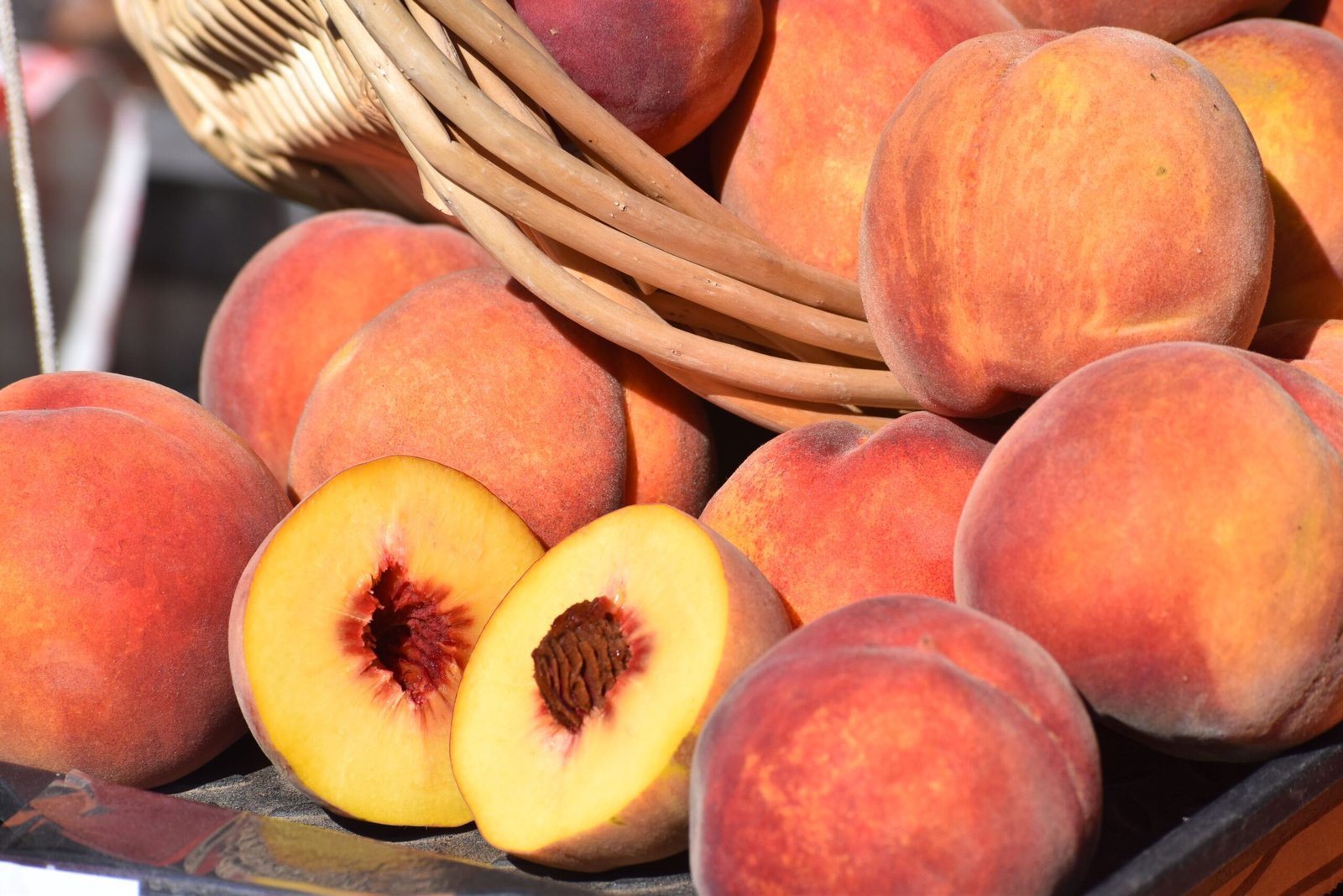
A peach is a delicious, juicy fruit known for its soft skin, sweet flavor, and refreshing aroma. Popular around the world, peaches are enjoyed fresh, canned, dried, and in a variety of desserts and savory dishes. Beyond their appealing taste, peaches provide important nutrients, including vitamin C, fiber, potassium, and antioxidants, making them a valuable addition to a balanced diet.
Whether you want to learn about peach nutrition, explore different peach varieties, understand their health benefits, or discover how to grow a peach tree, this complete guide covers the essentials. In 2026, peaches remain a popular seasonal fruit for people looking for flavorful ingredients and nutritious food choices.
What Is a Peach?
A peach is a fruit produced by the peach tree (Prunus persica), a member of the rose family, which also includes cherries, plums, and apricots. Although peaches are commonly associated with China, where the species originated, they are now cultivated in many parts of the world.
Peaches typically have fuzzy skin, soft flesh, and a large central stone or pit. Their color varies from yellow and orange to pink and red, depending on the variety. The flavor can range from mildly sweet to intensely fragrant and juicy.
Peaches grow best in climates that provide suitable winter chilling and warm summers. They are harvested during the warmer months in many regions, although the exact season depends on local weather and growing conditions.
The fruit is enjoyed in numerous forms, including fresh slices, smoothies, fruit salads, jams, pies, and preserves. Fresh peaches are especially popular because they offer natural sweetness alongside water, fiber, and essential nutrients.
Peach Nutrition Facts and Nutritional Value
Peaches provide several nutrients while being relatively low in calories. According to standard food-composition data, one medium raw peach weighing approximately 150 grams contains around 60 calories, although the exact amount varies with size and variety.
Important nutrients found in peaches include:
- Vitamin C: Supports normal immune function, collagen formation, and antioxidant protection.
- Dietary fiber: Helps support regular bowel movements and digestive health.
- Potassium: Contributes to normal muscle function and helps maintain healthy blood pressure.
- Vitamin A precursors: Carotenoids in peach flesh can be converted into vitamin A, which supports vision and normal immune function.
- Antioxidants: Plant compounds, including polyphenols and carotenoids, help protect cells from oxidative damage.
- Water: Contributes to hydration as part of an overall balanced diet.
Peaches also contain natural carbohydrates, primarily sugars, which provide energy. Their water content makes them a refreshing option during hot weather.
Nutritional values vary depending on peach size, ripeness, and preparation. Fresh whole peaches generally provide more fiber than strained peach juice, while canned peaches packed in syrup may contain more added sugar than fresh fruit or fruit canned without added sugar.
For everyday nutrition, eating a whole peach is a simple way to enjoy its natural flavor while obtaining fiber and micronutrients.
Health Benefits of Eating Peaches
Including peaches in a varied diet can contribute to several aspects of general health. Although no single fruit prevents or cures disease, peaches provide nutrients that support normal body functions.
1. Supports digestive health
Peaches contain dietary fiber, which helps maintain regular bowel movements and supports digestive function. Their water content also contributes to overall fluid intake. Eating peaches alongside vegetables, whole grains, and other fruits can help increase daily fiber consumption.
2. Contributes to immune function
Vitamin C plays an important role in normal immune function and helps the body produce collagen. Peaches provide some vitamin C, although they should be combined with other nutrient-rich foods rather than treated as a complete source of every vitamin.
3. Provides antioxidant compounds
Peaches contain plant compounds such as polyphenols and carotenoids. These substances contribute to the fruit’s color and are studied for their roles in protecting cells against oxidative stress.
4. Supports heart-conscious eating habits
Peaches provide potassium and fiber while containing relatively little saturated fat and sodium. Including whole fruit in a balanced eating pattern can support overall cardiovascular health.
5. Helps with hydration
Because peaches contain substantial water, they can contribute to daily fluid intake, particularly during warm weather. They are a refreshing snack when served chilled.
6. Fits into a balanced diet
Fresh peaches are relatively low in calories and can satisfy a preference for sweet foods. Pairing them with plain yogurt, nuts, or oatmeal creates a more filling snack or breakfast.
These benefits depend on the overall diet and lifestyle. Peaches are nutritious, but they are not a substitute for medical treatment or a balanced eating pattern.
Different Types of Peaches
There are several types of peaches, each with distinctive textures, flavors, and culinary uses. Choosing the right variety can improve the results when eating fresh fruit, baking, or preparing preserves.
Yellow peaches are among the most familiar varieties. They typically have golden flesh, a balanced sweet-and-tangy flavor, and a juicy texture. They work well for fresh eating, pies, and grilling.
White peaches usually have pale cream-colored flesh and a delicate, sweet flavor with less noticeable acidity. They are often enjoyed fresh because of their fragrant taste.
Freestone peaches have flesh that separates relatively easily from the central pit. This makes them convenient for slicing, freezing, and cooking.
Clingstone peaches have flesh that adheres closely to the pit. Many varieties are useful for canning and processing, although their best use depends on the particular cultivar.
Donut peaches, also called flat peaches, have a distinctive flattened shape and are often sweet and aromatic. Their unusual appearance makes them popular at farmers’ markets and grocery stores.
When shopping, select peaches that smell fragrant and yield slightly to gentle pressure. Avoid fruit with extensive bruising, mold, or damaged skin. Peaches that are still firm can soften at room temperature.
How to Grow a Peach Tree Successfully
Growing a peach tree can be rewarding when the local climate and soil conditions suit the variety. Peach trees generally require plenty of sunlight, well-drained soil, and appropriate seasonal temperatures.
Choose the right location. Plant peach trees in a sunny position with good air circulation. Most varieties need several hours of direct sunlight daily, with approximately six to eight hours often recommended for productive growth.
Prepare well-drained soil. Peach trees do not thrive in persistently waterlogged ground. Improve soil structure where necessary and check local soil conditions before planting.
Select a suitable variety. Peach varieties have different winter-chilling requirements. Choose a cultivar adapted to your region’s climate, especially if winters are mild or unusually cold.
Water consistently. Young trees need regular watering while their roots become established. Mature trees also need sufficient moisture during flowering, fruit development, and dry periods, but overwatering should be avoided.
Prune appropriately. Pruning helps maintain an open canopy, encourages productive growth, and improves light penetration. The correct timing and method depend on the climate and the tree’s condition.
Monitor pests and diseases. Peach trees can be affected by fungal diseases, insects, and other growing problems. Inspect leaves, branches, and fruit regularly, and follow locally recommended integrated pest-management practices.
With suitable care, a healthy peach tree can provide fruit for years. However, harvest time, yield, and fruit quality depend on the variety, climate, pollination, and growing conditions.
Popular Ways to Eat and Use Peaches
Peaches are versatile ingredients that work in both sweet and savory recipes. Their natural sweetness and fragrant flavor make them suitable for simple snacks as well as more elaborate dishes.
- Fresh peach slices: Enjoy them on their own or add them to a seasonal fruit salad.
- Peach smoothies: Blend peaches with milk, yogurt, or a plant-based alternative for a refreshing drink.
- Peach oatmeal: Add chopped peaches to warm oatmeal for natural sweetness and extra fruit.
- Peach desserts: Use peaches in cobblers, crumbles, pies, cakes, and fruit tarts.
- Grilled peaches: Lightly grill peach halves and serve them with yogurt or as an accompaniment to savory meals.
- Peach preserves: Cook peaches with suitable ingredients to make jams, sauces, or chutneys.
- Canned or frozen peaches: Use them when fresh peaches are out of season, checking labels for added sugar where relevant.
For the best flavor, use ripe peaches in recipes that highlight their aroma. Firmer peaches can be useful for grilling and baking because they may retain their shape better during cooking.
Fresh peaches can be stored at room temperature until ripe. Once ripe, refrigerating them can help slow further softening. Wash the fruit under running water before eating or preparing it.
Frequently Asked Questions About Peaches
Are peaches healthy to eat every day?
For most people, peaches can be part of a healthy daily diet. They provide water, fiber, vitamins, and plant compounds. Individual dietary needs and allergies should still be considered.
Are peaches good for weight management?
Whole peaches are relatively low in calories and provide water and fiber. They can be a satisfying alternative to some higher-calorie snacks, although weight management depends on overall eating habits and activity.
Should peaches be eaten with the skin?
Yes, peach skin is edible and contributes fiber and plant compounds. Wash the fruit thoroughly under running water before eating it.
Can peaches be stored in the refrigerator?
Yes. Refrigeration can help extend the useful life of ripe peaches, although very cold storage may affect texture and flavor if the fruit is kept for too long.
What is the difference between a peach and a nectarine?
Peaches and nectarines are closely related fruits. The main visible difference is that peaches usually have fuzzy skin, while nectarines have smooth skin.
Conclusion
The peach is a flavorful and versatile fruit that offers natural sweetness, hydration, fiber, vitamin C, potassium, and antioxidant compounds. From fresh snacks and smoothies to desserts and preserves, peaches can be enjoyed in countless ways.
Understanding peach nutrition, choosing suitable varieties, storing fruit properly, and learning basic peach-tree care can help you make the most of this popular fruit. Whether you are interested in healthy eating, gardening, or cooking, peaches are a delicious addition to a varied and balanced lifestyle in 2026.


Peach: Nutrition, Health Benefits, Types, Growing Tips, and Uses in 2026

Clima de Hoy: Today’s Weather Forecast, Temperature, Rain, and Daily Conditions in 2026

Date Night Ideas 2026: Romantic, Fun, and Unique Ways to Spend Time Together

Is It Goodmorning or Good Morning? The Correct Spelling, Grammar Rules, Examples, and Common Mistakes

Sarah Ziolkowska: Biography, Career, Marriage, Divorce, and Life After Fame

Lucas’s: The Correct Possessive Form, Grammar Rules, Examples, and Common Mistakes
 Education3 months ago
Is It Goodmorning or Good Morning? The Correct Spelling, Grammar Rules, Examples, and Common Mistakes
- News4 months ago
Sarah Ziolkowska: Biography, Career, Marriage, Divorce, and Life After Fame
- Education3 months ago
Lucas’s: The Correct Possessive Form, Grammar Rules, Examples, and Common Mistakes
- celebrity4 months ago
Otelia Cox: Biography, Career, Personal Life, Achievements, and Lasting Legacy
- Tech3 months ago
// turbogeek.org: Your Complete Guide to Technology, Innovation, and Digital Knowledge
- celebrity4 months ago
Jasper Breckenridge Johnson: Biography, Family Background, Career, and Interesting Facts
- Tech3 months ago
Start Writing LetsBuildUp.org Blog: A Complete Guide to Creating Engaging and Valuable Content
- Entertainment3 months ago
Czech Hunter: Complete Guide, Background, Content Overview, and Online Popularity in 2026