
Blog
CK2Generator.com: The Complete 2026 Guide to Features, World Generation, and Crusader Kings II Customization

The Crusader Kings II community has remained active for years thanks to its rich strategy gameplay, extensive modding scene, and creative customization tools. Among the resources frequently searched by players is CK2Generator.com/, a website associated with generating custom worlds and expanding the replay value of the iconic grand strategy game. Whether you are a veteran ruler or a newcomer to medieval strategy gaming, understanding what CK2Generator.com/ offers can help you create unique campaigns and enjoy fresh gameplay experiences.
In this comprehensive 2026 guide, we explore CK2Generator.com/, its purpose, features, benefits, customization options, and why it continues to attract interest from the Crusader Kings II community.
What Is CK2Generator.com/?
CK2Generator.com/ is a website associated with tools and resources designed to generate custom worlds for Crusader Kings II (CK2). Instead of starting every campaign with the game’s historical map, players can create randomized kingdoms, rulers, dynasties, cultures, and political landscapes that provide a completely new strategic experience.
The main objective of CK2Generator.com/ is to extend the replayability of Crusader Kings II by offering procedurally generated scenarios while preserving the game’s core mechanics. Rather than changing how the game works, the platform focuses on creating entirely new worlds where every campaign feels different.
This approach allows players to experience alternative medieval histories, unpredictable alliances, and unique geopolitical situations that are impossible to achieve in the default game.
Why CK2Generator.com/ Is Popular in 2026
Although newer grand strategy titles have been released, Crusader Kings II continues to enjoy a loyal fan base. Many players return to the game because of its depth, dynasty management, diplomacy, and role-playing opportunities.
The popularity of CK2Generator.com/ can be attributed to several factors:
- Unlimited replayability
- Randomized kingdoms and empires
- Unique rulers and dynasties
- Alternative medieval worlds
- Enhanced role-playing opportunities
- Creative storytelling
- Fresh diplomatic challenges
- Support for customized campaigns
Every generated world requires players to adapt to unfamiliar political landscapes rather than relying on historical knowledge, making each campaign feel exciting and unpredictable.
Key Features of CK2Generator.com/
One of the biggest advantages of CK2Generator.com/ is its focus on procedural world generation and campaign customization.
Random World Creation
The platform generates entirely new maps featuring original kingdoms, duchies, counties, and borders.
Custom Dynasties
Players can begin campaigns with newly created ruling families, each possessing unique backgrounds and political relationships.
Generated Cultures and Religions
Many generated worlds include fictional or randomized cultures and religions that create new diplomatic and military dynamics.
Balanced Political Systems
Despite being randomly generated, worlds are typically designed to encourage balanced competition between neighboring powers.
Unique Campaigns
No two generated campaigns are exactly alike, significantly increasing the replay value of Crusader Kings II.
Strategic Variety
Changing geography, neighboring realms, and succession patterns require players to rethink expansion, diplomacy, and military planning.
Benefits of Using CK2Generator.com/
Players who enjoy long-term strategy games often seek experiences that remain fresh after hundreds of gameplay hours.
CK2Generator.com/ offers several advantages:
Extended Replay Value
Randomized campaigns prevent repetitive gameplay by creating new political situations every time.
Creative Storytelling
Unexpected alliances, rivalries, and dynastic conflicts naturally generate memorable stories without scripted events.
Improved Role-Playing
Custom rulers and fictional kingdoms encourage players to develop original narratives for their dynasties.
Strategic Adaptation
Unknown neighboring realms require careful planning, diplomacy, and resource management instead of relying on familiar historical strategies.
Community Challenges
Generated worlds can be shared with friends or online communities, allowing multiple players to experience identical maps while pursuing different paths to success.
How CK2Generator.com/ Enhances Crusader Kings II
One of the defining strengths of Crusader Kings II is its emphasis on emergent gameplay. CK2Generator.com/ builds on this by introducing unpredictable political environments that encourage experimentation.
Players may encounter:
- Unexpected empire formations
- New succession crises
- Religious conflicts
- Border disputes
- Marriage alliances
- Civil wars
- Diplomatic rivalries
- Rapid territorial expansion
Because these situations arise naturally from the generated world, every campaign develops its own unique history.
This level of unpredictability is one of the primary reasons players continue using world-generation tools years after the game’s original release.
Tips for Getting the Most Out of CK2Generator.com/
To maximize your enjoyment, consider the following strategies when using generated worlds:
- Experiment with different map sizes to create varying levels of complexity.
- Play multiple dynasties to experience diverse political perspectives.
- Embrace role-playing rather than focusing solely on optimal gameplay.
- Accept unexpected outcomes and allow the story to develop naturally.
- Save particularly interesting generated worlds for future campaigns or multiplayer sessions.
- Combine generated worlds with compatible CK2 mods to expand gameplay possibilities further.
Approaching each campaign with flexibility helps you appreciate the unique stories that emerge from randomized settings.
The Future of CK2Generator.com/ and the CK2 Community
Despite the availability of newer strategy games, the Crusader Kings II community remains active due to its mature modding ecosystem and dedicated fan base. Resources like CK2Generator.com/ continue to play an important role by offering fresh ways to experience the game without altering its core mechanics.
As procedural generation technology and community-created tools evolve, players can expect even more sophisticated customization options, improved world-building features, and enhanced compatibility with community mods. These developments help ensure that Crusader Kings II remains engaging for both longtime fans and newcomers.
Conclusion
CK2Generator.com/ represents an exciting resource for Crusader Kings II players who want to experience medieval strategy from a completely new perspective. By generating unique worlds filled with original kingdoms, dynasties, cultures, and political landscapes, the platform greatly increases the game’s replay value while preserving the strategic depth that has made CK2 a classic.
Whether you enjoy dynasty management, role-playing, grand strategy, or alternative history, CK2Generator.com/ provides an excellent way to create memorable campaigns and discover new stories with every playthrough. In 2026, it remains a valuable resource for players seeking endless possibilities in one of the greatest strategy games ever made.
Frequently Asked Questions (FAQ)
What is CK2Generator.com/?
CK2Generator.com/ is a website associated with generating custom worlds and randomized campaigns for Crusader Kings II, allowing players to enjoy unique gameplay experiences.
What does CK2Generator.com/ generate?
It can generate custom maps, kingdoms, rulers, dynasties, cultures, religions, and political landscapes, depending on the available generation tools.
Why do players use CK2Generator.com/?
Players use it to increase replayability, create alternative medieval worlds, and enjoy fresh strategic challenges beyond the default historical scenarios.
Is CK2Generator.com/ only for experienced players?
No. Both newcomers and experienced Crusader Kings II players can benefit from the variety and creativity offered by generated worlds.
Does CK2Generator.com/ change the core gameplay of Crusader Kings II?
Its primary purpose is to create new playable worlds while preserving the game’s fundamental mechanics, allowing players to experience different scenarios without changing the core strategy systems.

A Brother sewing machine bobbin is a small but essential component that holds the lower thread used to create stitches. Although bobbins may look similar across sewing machines, they are not universally interchangeable. Brother produces machines that use different bobbin styles, including Class 15 and Class 66 bobbins, so choosing the correct type for a particular model is important for reliable stitching.
In 2026, Brother continues to support a wide range of sewing, quilting, embroidery, and computerized machines. Some models use a Quick-Set bobbin system, while others use a traditional bobbin case. Understanding the difference between bobbin types, checking the machine’s manual, and installing the bobbin correctly can help prevent common problems such as uneven tension, thread bunching, skipped stitches, and thread breakage.
What Is a Brother Sewing Machine Bobbin?
A bobbin is the small spool that carries the lower thread in a sewing machine. During sewing, the upper needle thread and bobbin thread interact beneath the fabric to form a lockstitch. The bobbin therefore plays an important role in stitch formation even though it remains largely hidden during normal sewing.
Brother machines can use different bobbin specifications depending on the model. For example, Brother identifies SA156 as a high-plastic Class 15 bobbin for numerous machines, while some other Brother machines use SA155, a high-plastic Class 66 bobbin. Brother specifically warns that using the wrong bobbin can prevent a machine from operating correctly and may cause damage or injury.
This means that the phrase “Brother bobbin” does not refer to just one universal size. The correct choice depends on the exact machine.
Brother Bobbin Types and Compatibility
One of the most important things to understand when buying or replacing a bobbin is compatibility. Two bobbins can appear almost identical while having differences in height, diameter, material, or shape that affect how the machine feeds thread.
A common Brother option is the SA156 Class 15 bobbin, which Brother lists for a large number of home sewing and embroidery models. Brother’s support documentation identifies SA156 as a high-plastic Class 15 bobbin and recommends using the included bobbin or the same specified type.
Another example is the SA155 Class 66 bobbin, which is also made from high plastic. Brother documentation covering certain machines specifically states that this is the required bobbin type.
Because different Brother machines require different specifications, users should check the model number and owner’s manual before purchasing replacement bobbins. A bobbin that fits physically may still be unsuitable for the machine.
Material can also matter. Some Brother support pages explicitly state that certain machines should not use metal bobbins and should instead use the specified plastic bobbin.
How to Install a Bobbin in a Brother Sewing Machine
The installation procedure varies according to whether a machine has a top-loading bobbin system or a removable bobbin case. However, the general process starts with an important safety step: turn the sewing machine off before installing or servicing the bobbin.
For machines with a top-loading system, Brother’s instructions generally involve raising the needle, raising the presser foot, opening the bobbin cover, and placing the bobbin into its designated compartment. The thread must then be guided through the appropriate slot and tension area before replacing the cover.
Machines using a separate bobbin case require the bobbin to be placed into the case and the thread routed through the specified path. Brother emphasizes that the direction in which the bobbin thread unwinds matters. Incorrect positioning can contribute to improper thread tension or needle breakage.
The exact thread path differs among models, so the machine’s manual should be treated as the primary reference rather than assuming every Brother machine uses the same procedure.
How to Wind a Brother Bobbin
Before a bobbin can be used for sewing, it normally needs to be filled with thread. Brother machines commonly include a bobbin-winding mechanism designed to wind thread evenly around the bobbin.
For machines using an SA156-style bobbin, Brother’s instructions describe placing the bobbin on the bobbin-winder shaft and aligning its notch with the corresponding part of the shaft. The thread is then routed through the appropriate thread guide and pretension area before winding begins.
Correct winding is important because unevenly wound thread can affect stitching performance. The thread should form an even layer rather than building up heavily on one side of the bobbin.
Some newer Brother machines have convenient winding arrangements, and certain models can wind a bobbin while the machine is being used for another sewing or embroidery operation. However, this feature is model-dependent and should not be assumed to exist on every Brother machine.
Common Brother Bobbin Problems
Bobbin problems can appear in several forms. Thread bunching underneath the fabric, inconsistent tension, skipped stitches, and thread breakage can all be associated with incorrect bobbin installation or an unsuitable bobbin.
One common cause is using a bobbin that does not match the machine. Brother repeatedly advises users to use the bobbin specified for their particular model.
Another issue is incorrect thread direction. If the bobbin is installed so that the thread unwinds incorrectly, the resulting tension may be affected. Brother’s installation instructions specifically highlight the importance of the correct unwinding direction.
An incorrectly threaded bobbin case can create similar problems. The lower thread needs to pass through the appropriate tension-adjusting spring or thread guide. If that path is missed, the machine may not form stitches correctly.
A damaged, cracked, warped, or scratched bobbin should also be replaced rather than repeatedly reused.
Choosing the Right Brother Bobbin in 2026
When selecting a Brother sewing machine bobbin in 2026, the most reliable method is to identify the exact model number of the machine first. The model number can usually be found on the machine itself or in its documentation.
Next, consult the official Brother support information or owner’s manual to determine the required bobbin part number. For some machines this may be SA156 Class 15, while another model may require SA155 Class 66. These examples demonstrate why purchasing a generic bobbin solely because it “looks right” is not recommended.
It is also important to distinguish between ordinary sewing bobbins and specialized bobbins. Certain Brother machines and accessories support specific embroidery or decorative applications, and specialized bobbin systems can have their own requirements.
Prewound bobbins are another possibility for compatible machines. Brother’s documentation shows that some models can use particular prewound bobbins, sometimes with an alternative bobbin case or other model-specific requirements.
Final Thoughts
The Brother sewing machine bobbin may be a small component, but it has a major role in creating consistent stitches. The most important lesson for 2026 is that bobbin compatibility depends on the individual Brother machine. Class 15 and Class 66 examples demonstrate that different models can require different bobbin dimensions and specifications.
For dependable sewing performance, use the bobbin type specified for the machine, install it in the correct direction, follow the manufacturer’s thread path, and keep the bobbin area clean. If stitching suddenly becomes uneven, checking the bobbin type and installation is a sensible part of troubleshooting.
With the correct Brother bobbin, proper winding, and accurate installation, the lower-thread system can work smoothly and help the machine produce clean, consistent stitches across everyday sewing, quilting, and embroidery projects.
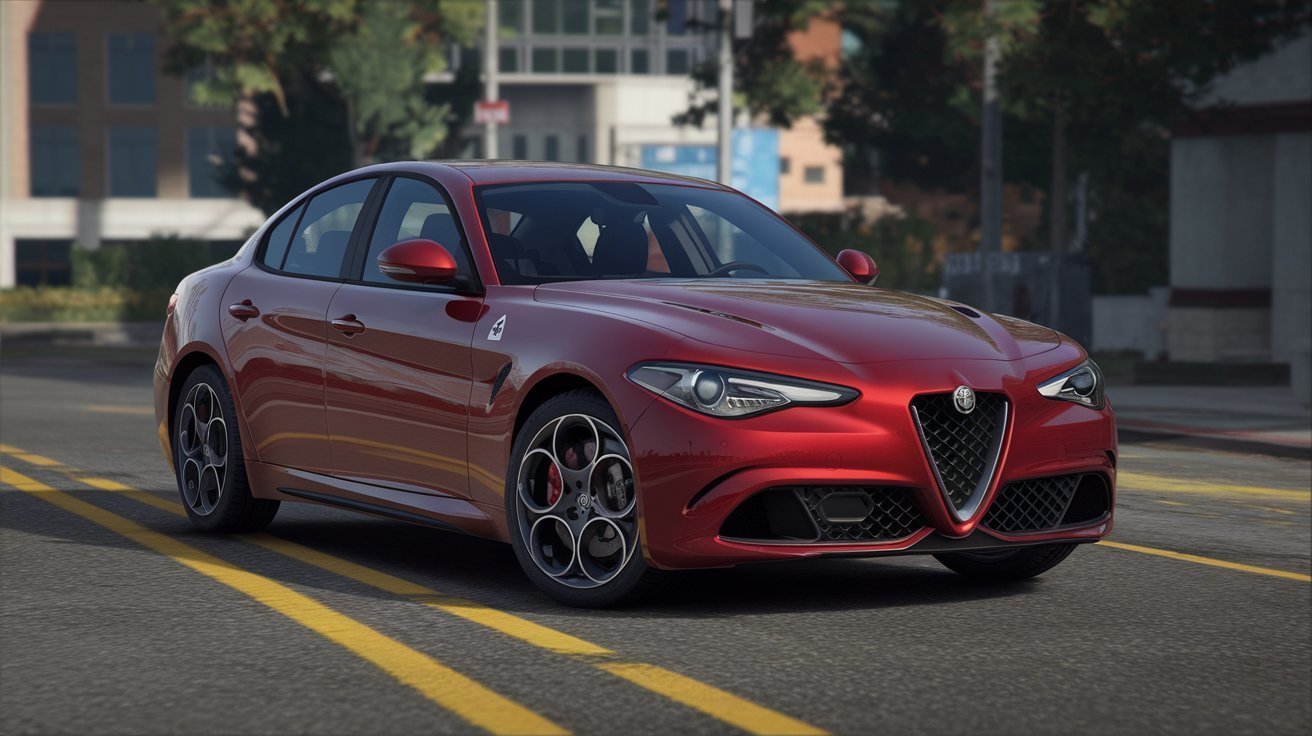
The 2024 Alfa Romeo Giulia is a distinctive Italian sports sedan that combines dramatic styling with sharp handling, turbocharged performance, and a driver-focused chassis. For the 2024 model year, Alfa Romeo updated the Giulia with refreshed lighting, an improved digital instrument display, and other technology changes while retaining the rear-wheel-drive character and available all-wheel-drive configuration that define the model.
The standard Giulia uses a 2.0-liter turbocharged four-cylinder engine producing 280 horsepower and 306 lb-ft of torque, paired with an eight-speed automatic transmission. Buyers can choose rear-wheel drive or all-wheel drive depending on configuration. The high-performance Giulia Quadrifoglio takes performance to another level with a 505-horsepower twin-turbo V6 and rear-wheel drive.
With its low-slung proportions, responsive steering, premium materials, and Italian design, the 2024 Alfa Romeo Giulia remains an interesting alternative to more familiar German luxury sports sedans.
2024 Alfa Romeo Giulia Engine and Performance
The standard 2024 Alfa Romeo Giulia is powered by a turbocharged 2.0-liter four-cylinder engine producing 280 horsepower at 5,200 rpm and 306 lb-ft of torque at 2,000 rpm. An eight-speed automatic transmission sends power to the rear wheels on RWD versions, while available all-wheel drive provides additional traction.
The powertrain gives the Giulia strong acceleration without requiring the much larger engine used in the Quadrifoglio. Independent testing recorded a 5.7-second 0-to-60-mph time for a rear-wheel-drive example and 5.5 seconds for an all-wheel-drive model.
One of the Giulia’s defining characteristics is its chassis rather than simply its horsepower figure. The sedan uses a double-wishbone front suspension and multi-link rear suspension, helping provide the precise responses expected from a sports-oriented luxury car. Its steering is also designed to deliver a direct connection between the driver and the road.
For everyday driving, the Giulia can remain comfortable while still offering the responsiveness that makes winding roads more engaging. Different drive modes allow the driver to adjust the vehicle’s behavior according to driving conditions and preferences.
2024 Giulia Quadrifoglio: The High-Performance Version
The most dramatic version of the 2024 Alfa Romeo Giulia is the Giulia Quadrifoglio. It uses a twin-turbocharged 2.9-liter V6 producing 505 horsepower and 443 lb-ft of torque. An eight-speed automatic transmission sends power exclusively to the rear wheels.
The Quadrifoglio’s performance figures are substantial. Car and Driver recorded a 3.6-second 0-to-60-mph time in testing, while Alfa Romeo lists a top speed of approximately 191 mph. Its combination of a powerful engine, relatively low weight, sophisticated suspension, and quick steering gives it a character that differs significantly from the standard four-cylinder Giulia.
The Quadrifoglio also receives performance-oriented equipment, including larger brakes, performance tires, aerodynamic components, and carbon-fiber details. Its 505-horsepower engine makes it a genuine high-performance sedan rather than simply an appearance-focused trim.
The 2024 model year was particularly significant for the Quadrifoglio because Alfa Romeo ended production of the high-performance Giulia Quadrifoglio and Stelvio Quadrifoglio for the North American market after 2024.
Exterior Design and 2024 Styling Updates
The 2024 Alfa Romeo Giulia received a mild styling update that kept the sedan’s recognizable proportions while introducing several visual changes. The front end received updated lighting, including new LED headlamps, while the rear lighting was also revised. The changes were intended to bring the Giulia’s appearance closer to the design language used on newer Alfa Romeo models.
The Giulia’s proportions remain one of its strongest visual characteristics. Its long hood, short overhangs, low roofline, sculpted sides, and distinctive front grille create a sporty silhouette without requiring excessive exterior decoration.
The Quadrifoglio adds its own visual cues, including larger wheels, performance-oriented body details, and the famous four-leaf clover Quadrifoglio badge.
For 2024, Alfa Romeo also introduced special editions connected with the Quadrifoglio’s 100th anniversary. The limited 100th Anniversario model included exclusive details such as gold brake calipers, special wheels, carbon-fiber components, gold stitching, and commemorative badging.
2024 Alfa Romeo Giulia Interior and Technology
Inside, the 2024 Alfa Romeo Giulia combines a driver-oriented cockpit with Italian styling. The dashboard places the main controls within easy reach of the driver, while the seating position emphasizes the car’s sporting character.
One of the most notable 2024 updates was the introduction of a 12.3-inch digital instrument cluster. The display provides several presentation modes and gives the cabin a more contemporary appearance.
Depending on trim and equipment, the Giulia can include leather upholstery, heated front seats, premium audio equipment, navigation, and various driver-assistance technologies.
The cabin is attractive and purposeful, although rear-seat space is more limited than what some larger luxury sedans provide. The trunk offers approximately 13 cubic feet of cargo capacity, making the Giulia practical enough for everyday use but clearly focused more on driving enjoyment than maximum cargo volume.
The Quadrifoglio adds additional carbon-fiber trim and performance-focused details, creating a more specialized atmosphere inside the cabin.
Fuel Economy, Dimensions, and Everyday Practicality
The standard rear-wheel-drive Giulia has an EPA-estimated 24 mpg city and 33 mpg highway, or 27 mpg combined, according to published specifications. The available all-wheel-drive version has different fuel-economy ratings.
The standard Giulia measures approximately 182.5 inches long, with a 111-inch wheelbase and a width of approximately 73.7 inches without mirrors. Its relatively compact dimensions help make the sedan easier to position on narrow roads and in parking areas than larger luxury vehicles.
The Quadrifoglio is slightly different in equipment and performance but retains the same basic sedan architecture. Its EPA rating is approximately 17 mpg city and 25 mpg highway, reflecting the fuel requirements of its 505-horsepower twin-turbo V6.
For daily use, the standard Giulia offers a useful balance of performance and efficiency, while the Quadrifoglio is much more focused on maximum performance.
Safety and Driver-Assistance Features
The 2024 Giulia includes a selection of driver-assistance and safety technologies, with availability depending on trim and packages. Features can include blind-spot monitoring, parking sensors, adaptive cruise control, lane-keeping assistance, and other systems designed to help the driver monitor traffic and maintain appropriate control.
The available Active Assist Plus package on the Quadrifoglio adds features such as adaptive cruise control with lane-centering capability, along with lane-keeping assistance and driver-attention monitoring.
These systems are designed as driving aids rather than autonomous driving technology. Drivers remain responsible for steering, braking, monitoring the road, and responding appropriately to changing traffic conditions.
2024 Alfa Romeo Giulia Pricing and Model Significance
The 2024 Giulia lineup began in the U.S. with the standard model, while the Quadrifoglio occupied the high-performance end of the range. Car and Driver lists a starting MSRP of $43,285 for a 2024 rear-wheel-drive Giulia specification and an MSRP range of $83,465 to $89,025 for the 2024 Quadrifoglio depending on configuration and special equipment.
The exact transaction price of an individual used 2024 Giulia today can vary substantially according to mileage, condition, location, options, service history, and whether the vehicle is a standard Giulia or Quadrifoglio.
The 2024 model year is particularly notable because it represents the final year of the Quadrifoglio’s 505-horsepower V6 configuration in North America. Alfa Romeo also offered the limited Super Sport edition as a farewell version, with only a small number allocated to the U.S. market.
Final Thoughts on the 2024 Alfa Romeo Giulia
The 2024 Alfa Romeo Giulia stands apart through its combination of Italian styling, responsive handling, turbocharged power, and distinctive cabin design. The standard 2.0-liter model produces 280 horsepower, while the extraordinary Quadrifoglio delivers 505 horsepower from its twin-turbo 2.9-liter V6.
The 2024 refresh adds updated lighting and a 12.3-inch digital gauge display, helping keep the Giulia’s technology current while preserving its established design. Available AWD gives the standard model additional drivetrain flexibility, while the Quadrifoglio remains rear-wheel drive and focuses heavily on performance.
For someone researching a 2024 Alfa Romeo Giulia as a used vehicle in 2026, the most important considerations include the exact trim, engine, drivetrain, maintenance history, mileage, condition, available equipment, and service records. The standard Giulia provides a balance of performance and everyday usability, while the Quadrifoglio represents the final chapter of Alfa Romeo’s 505-horsepower V6 sports sedan in the North American market.

When people search for a Lincoln SUV, they are usually looking for a combination of luxury, comfort, technology, spacious interiors and capable performance. Lincoln, the luxury vehicle division of Ford Motor Company, offers a focused SUV range covering several sizes and uses.
For the 2026 model year, Lincoln’s SUV lineup includes the Lincoln Corsair, Lincoln Nautilus, Lincoln Aviator and Lincoln Navigator. The range starts with the compact Corsair and progresses through two-row and three-row models to the full-size Navigator. Lincoln also offers the extended-length Navigator L.
This variety means shoppers can choose a Lincoln SUV based on passenger capacity, dimensions, power, efficiency, towing requirements and preferred luxury features.
What Lincoln SUVs Are Available in 2026?
The 2026 Lincoln SUV lineup contains four primary models:
- Lincoln Corsair – small luxury SUV with seating for five
- Lincoln Nautilus – two-row midsize luxury SUV with seating for five
- Lincoln Aviator – three-row midsize luxury SUV with seating for up to seven
- Lincoln Navigator – large luxury SUV with seating for up to eight
Lincoln’s own specifications place the models in this size progression: Corsair, Nautilus, Aviator and Navigator. The Corsair measures 181.41 inches long, the Nautilus 193.2 inches, the Aviator 199.7 inches and the Navigator 210 inches. The extended Navigator L reaches 221.9 inches.
This makes the lineup relatively easy to understand. Buyers wanting a smaller urban-friendly luxury SUV can consider the Corsair, while larger families and drivers needing maximum passenger and cargo capacity can move toward the Aviator or Navigator.
2026 Lincoln Corsair: Compact Luxury SUV
The 2026 Lincoln Corsair is the smallest SUV in the lineup. It provides seating for five passengers and is positioned as a small luxury SUV. Lincoln lists a standard turbocharged 2.0-liter engine, while the Corsair Grand Touring offers a 2.5-liter Atkinson-cycle four-cylinder plug-in hybrid powertrain.
The Corsair is also notable for combining luxury-oriented design with available technology such as Lincoln Co-Pilot360 and Lincoln BlueCruise on applicable configurations.
For buyers interested in electrified driving, the Grand Touring plug-in hybrid is particularly important. Lincoln states that this version can achieve an EPA-estimated 33 MPG combined and offers an electric-only range of up to 27 miles, according to its current 2026 information.
With its smaller footprint and five-seat configuration, the Corsair is suited to drivers who want Lincoln styling and comfort without moving into a larger three-row SUV.
2026 Lincoln Nautilus: Midsize Two-Row Luxury
The 2026 Lincoln Nautilus occupies the middle of the range as a two-row midsize luxury SUV. It seats five people and offers a choice between a turbocharged 2.0-liter gasoline engine and an available hybrid powertrain.
The standard gasoline engine produces 250 horsepower, while Lincoln’s available hybrid system produces 285 combined horsepower. Lincoln lists an EPA-estimated 30 MPG combined rating for the hybrid in its current 2026 lineup information.
One of the Nautilus’s most noticeable technology features is its Lincoln Digital Experience, complemented by an 11.1-inch center display. The vehicle is also available with Lincoln’s large panoramic display system, giving the cabin a distinctive technology-focused appearance.
Cargo space is another strength. Lincoln reports up to 71.2 cubic feet of total cargo space behind the first row on Premiere models when the second-row seats are folded. With the second row upright, Premiere models provide 36.4 cubic feet of cargo volume.
The Nautilus is therefore positioned for buyers who want a spacious two-row vehicle without the additional size of a three-row SUV.
2026 Lincoln Aviator: Three-Row Performance
The 2026 Lincoln Aviator is a midsize three-row SUV designed for customers who need more passenger capacity while still wanting strong performance.
It seats up to seven passengers and uses a twin-turbocharged 3.0-liter V6 producing 383 horsepower and 415 lb-ft of torque. Available all-wheel drive provides additional capability, while selectable drive modes allow drivers to adapt the vehicle’s driving characteristics to different conditions.
The Aviator can also tow up to 5,000 pounds when properly equipped, according to Lincoln.
Technology is another major part of the Aviator experience. Available features include Lincoln BlueCruise hands-free highway driving, Lincoln Co-Pilot360 driver-assistance technology and an immersive digital display.
The Aviator’s 199.7-inch length places it between the Nautilus and full-size Navigator. For families that need three rows but do not necessarily want the largest SUV in the segment, its dimensions and seating configuration make it a distinct option within the Lincoln range.
2026 Lincoln Navigator: Full-Size Luxury SUV
At the top of the Lincoln SUV range is the Navigator, a full-size luxury SUV designed around space, capability and premium comfort.
The 2026 Navigator seats up to eight passengers and measures 210 inches long. Lincoln also offers the extended Navigator L, which stretches to 221.9 inches.
The Navigator uses a twin-turbocharged 3.5-liter V6 producing 440 horsepower and 510 lb-ft of torque. When properly equipped, it can tow up to 8,700 pounds, making it the most capable towing model in Lincoln’s 2026 SUV lineup.
The Navigator is also heavily focused on passenger comfort and technology. Its large cabin, three-row seating and premium available configurations make it particularly relevant for larger families and drivers who frequently travel with several passengers.
Lincoln’s flagship SUV also offers Lincoln Black Label configurations, which add curated interior themes, premium materials and additional ownership benefits at participating dealers.
Lincoln SUV Technology and Comfort
Across the 2026 Lincoln SUV lineup, technology plays an important role. Depending on the model and configuration, customers can access features such as Lincoln Digital Experience, Lincoln Co-Pilot360 and BlueCruise.
Lincoln states that BlueCruise hands-free highway driving is available across its four 2026 SUV models, although availability and included periods vary by vehicle and trim. The system is designed to assist with acceleration, braking and lane centering on compatible divided highways while the driver remains responsible for the vehicle.
Luxury is equally important. Available Black Label themes can provide specially curated cabin designs on applicable models, including the Nautilus, Aviator and Navigator.
These features help differentiate the Lincoln SUV family from a basic utility-focused lineup by placing emphasis on the overall passenger experience.
Lincoln SUV Size, Seating and Capability Compared
Understanding the major differences between the four models makes it easier to identify the appropriate type of Lincoln SUV.
| Model | Size | Seating | Key powertrain information |
|---|---|---|---|
| Corsair | Small | 5 | 2.0L turbo or available plug-in hybrid |
| Nautilus | Midsize, 2-row | 5 | 2.0L turbo or available hybrid |
| Aviator | Midsize, 3-row | Up to 7 | 3.0L twin-turbo V6 |
| Navigator | Full-size, 3-row | Up to 8 | 3.5L twin-turbo V6 |
The lineup also differs significantly in towing capability. Lincoln lists maximum capacities of 3,000 pounds for the Corsair with the available tow package, 1,750 pounds for the Nautilus, 5,000 pounds for the Aviator and 8,700 pounds for the Navigator, when properly equipped.
The differences show that the Lincoln SUV range is designed for several types of drivers rather than one specific customer.
Which Lincoln SUV Fits Different Needs?
The right Lincoln SUV depends on what the owner expects from the vehicle.
The Corsair is the compact choice for buyers who want five-seat luxury and an available plug-in hybrid.
The Nautilus provides a larger two-row cabin and an available conventional hybrid, making it an option for drivers who want additional space without three rows.
The Aviator adds a third row and significantly more power, making it suitable for customers who regularly carry more passengers.
The Navigator provides the largest dimensions, up to eight seats and the highest towing capacity in the lineup.
Rather than assuming one model is appropriate for everyone, shoppers should consider passenger requirements, parking space, cargo needs, powertrain preferences, towing requirements and available features before selecting a vehicle.
Final Thoughts on Lincoln SUV Models in 2026
The 2026 Lincoln SUV lineup provides four distinct choices, from the compact Corsair to the full-size Navigator. The Nautilus occupies the two-row midsize segment, while the Aviator provides three-row seating in a midsize package.
Across the range, Lincoln emphasizes luxury, technology, comfort and modern driver-assistance features. Powertrain choices also vary substantially, with electrified options available in the Corsair and Nautilus, while the Aviator and Navigator focus on twin-turbocharged V6 performance.
For 2026, the lineup gives buyers a straightforward way to match SUV size and capability with their individual requirements. Whether the priority is compact luxury, hybrid efficiency, three-row flexibility, towing capacity or full-size comfort, there is a Lincoln SUV designed around that particular combination of needs.

Brother Sewing Machine Bobbin: Types, Compatibility, Installation, and 2026 Guide

Bourbon Maker’s Mark: History, Craft, Heritage, and 2026 Developments

ASCA National Model: A Complete Guide to the School Counseling Framework in 2026

Is It Goodmorning or Good Morning? The Correct Spelling, Grammar Rules, Examples, and Common Mistakes

Sarah Ziolkowska: Biography, Career, Marriage, Divorce, and Life After Fame

Lucas’s: The Correct Possessive Form, Grammar Rules, Examples, and Common Mistakes
 Education2 months ago
Is It Goodmorning or Good Morning? The Correct Spelling, Grammar Rules, Examples, and Common Mistakes
- News3 months ago
Sarah Ziolkowska: Biography, Career, Marriage, Divorce, and Life After Fame
- Education2 months ago
Lucas’s: The Correct Possessive Form, Grammar Rules, Examples, and Common Mistakes
- celebrity3 months ago
Otelia Cox: Biography, Career, Personal Life, Achievements, and Lasting Legacy
- Tech3 months ago
// turbogeek.org: Your Complete Guide to Technology, Innovation, and Digital Knowledge
- celebrity3 months ago
Jasper Breckenridge Johnson: Biography, Family Background, Career, and Interesting Facts
- Tech3 months ago
Start Writing LetsBuildUp.org Blog: A Complete Guide to Creating Engaging and Valuable Content
- Health3 months ago
Adenoidid: Understanding Adenoid Conditions, Symptoms, Causes, Treatment, and Prevention