
Blog
Chevy EV Cars 2026: Complete Guide to Chevrolet Electric Vehicles

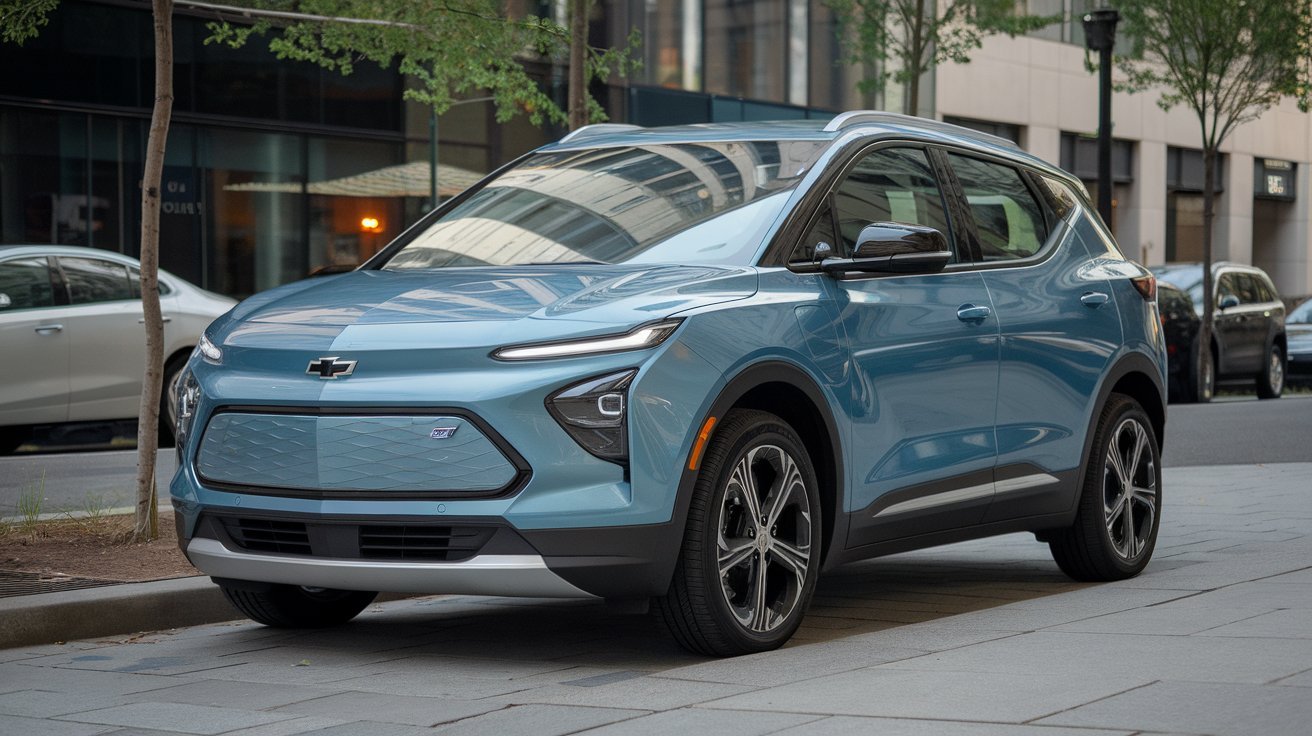
Chevy EV cars have become an increasingly important part of Chevrolet’s lineup in 2026. The brand now offers electric vehicles across several popular categories, from affordable compact SUVs to high-performance electric SUVs and full-size pickup trucks. Chevrolet’s current U.S. EV lineup includes the Equinox EV, Blazer EV, and Silverado EV, while the new 2027 Bolt is also being introduced as the brand’s most accessible electric vehicle.
For buyers considering an electric Chevrolet, the biggest advantages are variety, practical driving range, modern technology, and the ability to choose between everyday efficiency and serious performance. The right model depends on whether we need a family SUV, a sporty electric vehicle, or a capable pickup.
Chevy EV Cars 2026 Lineup
Chevrolet’s electric range is designed to cover different needs rather than forcing every buyer into the same type of vehicle. The Equinox EV is aimed at everyday SUV buyers, the Blazer EV provides a sportier and more powerful alternative, and the Silverado EV brings electric technology to the pickup-truck market. Chevrolet’s official lineup currently lists the Equinox EV from $34,995, the Blazer EV from $44,700, and the Silverado EV from $55,895 in the U.S.
The upcoming 2027 Chevrolet Bolt is particularly important for shoppers looking for a lower entry price. GM says it starts at $28,995, uses a 65-kWh battery, offers an EPA-estimated 262 miles of range, and supports 150-kW-plus DC public fast charging.
This gives Chevrolet a broad electric portfolio, with options for buyers who prioritize price, range, performance, cargo capacity, or towing.
2026 Chevrolet Equinox EV: Affordable Electric SUV
The Chevrolet Equinox EV is one of the most appealing Chevy EV cars for everyday family use. It combines the familiar practicality of an SUV with an all-electric powertrain and a relatively accessible starting price.
The current Chevrolet lineup lists the Equinox EV with an EPA-estimated range of up to 319 miles in the front-wheel-drive configuration. It can seat up to five people and provides as much as 57.2 cubic feet of maximum cargo volume.
That combination makes the Equinox EV especially interesting for commuters and families. We get enough range for many long daily driving schedules while retaining useful cargo space.
The Equinox EV is also designed around modern charging and connectivity technology. Its appeal is less about extreme acceleration and more about delivering an efficient, comfortable, practical electric SUV without moving into luxury-vehicle pricing.
For buyers entering the EV market for the first time, the Equinox EV can therefore be one of the easiest Chevrolet models to understand.
2026 Chevrolet Blazer EV: Performance and Technology
The 2026 Chevy Blazer EV sits above the Equinox EV and takes a more performance-oriented approach. It is a five-seat electric SUV available in LT, RS, and SS configurations. Front-wheel drive and all-wheel drive are available on the LT and RS, while the SS comes with performance all-wheel drive.
The front-wheel-drive LT and RS versions can achieve an EPA-estimated 312 miles of range, while the SS has an estimated 302 miles. The SS is dramatically more powerful, producing 615 horsepower and 650 lb-ft of torque. Chevrolet estimates a 0-to-60-mph time of 3.4 seconds when Wide Open Watts performance mode is used.
The Blazer EV SS is therefore very different from a basic commuter EV. It combines electric efficiency with serious acceleration and performance hardware.
Technology is another major strength. The Blazer EV offers a 17.7-inch infotainment touchscreen, HD Surround Vision, available Super Cruise, and other driver-assistance features. The SS adds equipment such as Brembo front brakes and a head-up display.
With up to 59.1 cubic feet of cargo space, it also remains practical enough for everyday use.
2026 Chevrolet Silverado EV: Electric Pickup Power
For drivers who need a truck rather than an SUV, the 2026 Chevrolet Silverado EV is the standout choice. Chevrolet offers the electric pickup in configurations including Custom, LT, Trail Boss, and RST Stars & Steel Edition.
The Silverado EV is particularly impressive for range. Depending on configuration, Chevrolet quotes a GM-estimated range of up to 478 miles. It can also support available DC fast charging at rates of up to 350 kW.
Towing is another major advantage. Extended Range LT and Trail Boss models can tow up to 12,500 pounds, while maximum payload reaches 1,800 pounds in the specified configuration.
Performance can also be substantial. Chevrolet says the Max Range LT equipped with Wide Open Watts can produce up to 760 horsepower and 775 lb-ft of torque.
This makes the Silverado EV more than an electric alternative for light-duty commuting. It is designed to remain a genuine working pickup, with towing, hauling, long-distance capability, and off-road-oriented options.
Chevy EV Range, Charging and Battery Technology
Driving range is one of the first things we should examine when comparing Chevy EV cars. Chevrolet’s lineup offers different range figures depending on battery size, drivetrain, wheel selection, temperature, driving conditions, and vehicle configuration.
The Equinox EV can reach 319 miles, the Blazer EV reaches 312 miles in its front-wheel-drive LT and RS versions, and the Silverado EV can reach a GM-estimated 478 miles in its Max Range configuration.
Charging speed is equally important. The Silverado EV supports available 350-kW DC fast charging, while the new Bolt is rated for 150-kW-plus DC public fast charging.
For daily driving, home charging can be especially convenient because we can recharge overnight instead of making regular trips to a gas station. Public DC fast charging becomes more important on longer road trips.
Actual charging time and range will vary with weather, battery temperature, charger availability, driving style, and other conditions. Therefore, published figures should be treated as standardized estimates rather than guaranteed real-world results.
Chevy EV Cars: Interior, Safety and Technology
Modern Chevy EV cars are not simply gasoline vehicles with electric motors. Chevrolet has built its current EV lineup around large displays, connected technology, driver assistance, and flexible cabin space.
The Blazer EV, for example, offers its large 17.7-inch touchscreen, while Silverado EV Custom, LT, and Trail Boss models use a 17.7-inch infotainment screen alongside an 11-inch Driver Information Center.
Available Super Cruise is another important technology. It provides hands-free driver assistance on compatible roads and is available across parts of the Chevrolet EV lineup, with standard availability on the Blazer EV SS.
Safety and convenience equipment varies by model and trim, but features can include advanced cameras, parking sensors, automatic emergency braking, lane-related assistance, and other driver-support technologies.
The combination of digital controls, connected services, driver assistance, and spacious interiors makes these vehicles competitive in an EV market that is becoming increasingly technology-focused.
Which Chevy EV Car Should We Choose in 2026?
Choosing between Chevy EV cars becomes easier when we match the vehicle to our priorities.
The Equinox EV makes the most sense for buyers seeking an affordable, practical electric SUV with strong range and useful cargo space. Its 319-mile EPA-estimated maximum range gives it a particularly attractive everyday profile.
The Blazer EV is better suited to drivers who want a more aggressive design and stronger performance. The SS version is especially impressive for buyers who want 615 horsepower and 3.4-second estimated 0-to-60 performance.
The Silverado EV is the obvious choice for buyers who need truck capability. Its available 478-mile GM-estimated range and 12,500-pound maximum towing capacity make it the most useful option for long-distance driving and heavy-duty recreational needs.
Finally, the 2027 Bolt is worth watching for shoppers whose biggest priority is affordability. With a starting MSRP below $30,000 and an estimated 262-mile range, it expands Chevrolet’s EV strategy toward a much wider audience.
Final Thoughts on Chevy EV Cars in 2026
The Chevy EV cars lineup in 2026 demonstrates how broadly Chevrolet is approaching electric transportation. Instead of offering only one electric model, the company provides choices for SUV shoppers, performance enthusiasts, families, commuters, and pickup-truck owners.
The Equinox EV focuses on affordability and practicality, the Blazer EV combines SUV usefulness with strong performance, and the Silverado EV brings impressive range and serious truck capability. The arrival of the 2027 Bolt also strengthens Chevrolet’s position among buyers seeking a lower-cost entry into electric driving.
For anyone considering an electric vehicle in 2026, Chevy deserves attention because its lineup covers a broad range of needs. Whether the priority is long driving range, fast charging, cargo space, performance, towing, or value, there is now a Chevrolet EV designed around that particular requirement.

The search term “clima de hoy” means “today’s weather” in English. It is commonly used by Spanish-speaking people who want to understand current weather conditions, check temperatures, find out whether rain is expected, and plan their daily activities. Whether we are preparing for work, organizing a trip, planning outdoor activities, or deciding what to wear, knowing the weather forecast can help us make better everyday decisions.
In 2026, checking the clima de hoy is easier than ever thanks to weather websites, smartphone applications, digital forecasts, and local meteorological services. These resources provide information about temperature, humidity, wind speed, precipitation, and other environmental conditions. However, weather varies significantly by location, so the most useful forecast is one that corresponds to the city or area where we live or plan to travel.
Understanding how to read a weather forecast allows us to prepare for changing conditions, avoid unnecessary inconvenience, and make informed decisions throughout the day. This comprehensive guide explains what clima de hoy means, how daily weather forecasts work, which weather indicators matter most, and how to find reliable information.
What Does Clima de Hoy Mean?
Clima de hoy is a Spanish phrase that translates into English as “today’s weather” or “the weather today.” People use it when searching for information about current atmospheric conditions and the forecast for the remainder of the day. For example, someone might search for “clima de hoy en Madrid” to find today’s weather in Madrid or “clima de hoy cerca de mí” to find local conditions.
Although the phrase includes the Spanish word clima, which can also mean climate, everyday weather searches generally concern short-term atmospheric conditions. Weather describes conditions such as temperature, rainfall, wind, and cloud cover over a relatively short period. Climate, by comparison, describes long-term weather patterns in a region over many years.
This distinction matters because a daily forecast does not describe the permanent climate of a location. A city known for warm weather can still experience a cool day, heavy rainfall, or strong winds. Similarly, a region with a rainy season can experience several dry days in succession.
When searching for clima de hoy, we should therefore specify the correct city or region and check a forecast that has been updated recently. This helps us understand the conditions that are most relevant to our daily plans.
How to Check the Clima de Hoy in Your City
Finding today’s weather begins with selecting a reliable weather information source. Weather services commonly provide current conditions, hourly forecasts, daily summaries, and alerts for potentially dangerous weather. Using these features together can provide a clearer picture than looking at a single temperature reading.
First, search for the clima de hoy in your city. Including the city name helps distinguish local conditions from forecasts for other regions. Weather can differ substantially between nearby areas because of elevation, distance from the coast, cloud cover, and local geography.
Next, review the current temperature and the expected high and low for the day. The current temperature tells us how conditions feel at the time of checking, while the daily high and low provide an overview of anticipated temperature changes.
The hourly forecast is particularly useful when planning activities at specific times. It may indicate whether rain is expected in the morning, whether temperatures will rise in the afternoon, or whether winds could become stronger later in the day.
We should also check the forecast’s update time and look for official weather warnings. Conditions can change, especially during thunderstorms, heavy rainfall, heat waves, and other rapidly developing weather events.
For the most dependable information, compare a reputable weather service with your national or regional meteorological agency when conditions are uncertain. A forecast is an estimate based on available observations and weather models, so it should not be treated as a guarantee.
Temperature, Rain, and Wind: Understanding Today’s Weather
The clima de hoy includes several important measurements that help us understand how the atmosphere may affect our activities. Knowing what these measurements mean makes weather forecasts easier to interpret.
Temperature indicates how warm or cold the air is. Weather services commonly display temperature in degrees Celsius or Fahrenheit. We should pay attention to both the current reading and the expected daily maximum and minimum because conditions may change considerably between morning and evening.
Precipitation describes water falling from the atmosphere, including rain, snow, sleet, or hail. In many locations, the probability of precipitation is especially important when planning outdoor activities. However, a percentage chance of rain does not simply tell us how much rainfall will occur, so it is useful to review expected rainfall amounts and timing as well.
Wind speed and direction help explain how air is moving. Strong winds can make outdoor conditions uncomfortable, affect driving, and create hazards for people working or participating in outdoor activities. Wind can also influence how cold or hot conditions feel.
Humidity measures the amount of water vapor in the air relative to the amount it can hold at a particular temperature. High humidity can make hot weather feel more uncomfortable because sweat evaporates less efficiently.
Cloud cover and sunlight also influence daily conditions. Clear skies may allow temperatures to rise during the day, while clouds can reduce direct sunlight. Cloud cover alone, however, does not establish whether rain will occur.
By considering these indicators together, we can develop a more complete understanding of today’s weather rather than relying on temperature alone.
Clima de Hoy and Its Impact on Daily Activities
Today’s weather can influence nearly every part of our routine, from choosing clothing to deciding how and when to travel. Checking the forecast before leaving home helps us prepare for likely conditions and adjust our plans when necessary.
For work and school, temperature and precipitation forecasts can help us decide whether to carry an umbrella, wear an additional layer, or allow extra time for the journey. During periods of heavy rain or strong winds, checking traffic conditions and official warnings can be particularly important.
For outdoor activities, the hourly forecast is often more useful than the daily summary. A morning walk, picnic, sporting event, or sightseeing trip may be comfortable during one part of the day but less enjoyable when rain or extreme heat develops.
Travelers can use the clima de hoy to prepare for changing conditions at their destination. A coastal area may experience different winds and humidity from an inland city, while mountainous locations can have rapidly changing temperatures. Checking the destination forecast before departure helps us pack suitable clothing and plan activities more realistically.
Weather information also supports household planning. Hot conditions may encourage us to schedule strenuous outdoor tasks during cooler hours, while rainy weather can affect laundry, gardening, construction, and other activities that depend on dry conditions.
The most effective approach is to check the forecast in the morning and review it again before important outdoor plans, especially when severe weather is possible.
Seasonal Weather Patterns and the Difference Between Weather and Climate
The meaning of clima de hoy becomes more useful when we understand how daily conditions relate to seasonal patterns. Different regions experience different weather throughout the year because of their geographical position, elevation, ocean influences, and seasonal atmospheric circulation.
Some areas experience distinct summers and winters, while tropical regions may have more pronounced wet and dry seasons. In other places, rainfall and temperature can vary considerably over relatively short distances.
Daily weather is not the same as long-term climate. A single unusually hot afternoon does not establish a long-term warming trend, just as one rainy day does not prove that a region has become wetter. Climate patterns are assessed using observations collected over extended periods.
Seasonal information can nevertheless help us interpret a daily forecast. If a region commonly experiences heavy rainfall during a particular season, checking precipitation forecasts may be especially important during those months. Likewise, people living in areas with hot summers can use temperature forecasts to plan around heat exposure.
Understanding this relationship allows us to use short-term forecasts for immediate decisions while relying on long-term climate information to understand broader environmental patterns.
Best Tips for Getting Accurate Clima de Hoy Updates in 2026
To make the most of today’s weather forecast, we should focus on information that is current, local, and relevant to our plans. A few simple habits can improve how we interpret and use weather information.
- Choose the correct location: Confirm the city or neighborhood rather than relying on a forecast for a distant location.
- Check hourly predictions: Review the expected conditions during the hours when you will be traveling or spending time outdoors.
- Look beyond temperature: Consider rainfall, wind, humidity, cloud cover, and any relevant weather alerts.
- Review forecast updates: Weather predictions can change as new observations become available, particularly during unsettled conditions.
- Use reliable sources: Consult established weather services and official meteorological agencies for current forecasts and warnings.
- Prepare for extreme conditions: Follow local safety guidance during heat waves, thunderstorms, flooding, or strong winds.
- Avoid assuming certainty: Forecasts describe likely conditions, and their accuracy depends on location, forecast duration, and the behavior of the weather system.
Weather applications can make these steps convenient by offering hourly charts, precipitation notifications, and location-based forecasts. Nevertheless, the quality of a decision depends on interpreting the information correctly and recognizing when conditions may change.
Frequently Asked Questions About Clima de Hoy
What is the English meaning of clima de hoy?
Clima de hoy means “today’s weather” or “the weather today.” It is a Spanish search phrase used to find current weather conditions and forecasts.
How can I check the clima de hoy in my area?
Enter your city or location into a reputable weather website or application. Review the current temperature, hourly forecast, precipitation, wind conditions, and relevant warnings.
Why does the weather forecast change during the day?
Forecasts change when new observations and updated weather models provide a different understanding of atmospheric conditions. Rainfall timing, temperature estimates, and wind predictions may therefore be adjusted.
What is the difference between weather and climate?
Weather describes short-term atmospheric conditions, while climate refers to long-term patterns observed over many years. Today’s weather does not, by itself, define the climate of a region.
Is the daily temperature enough to understand today’s weather?
No. Temperature is important, but rainfall, wind, humidity, cloud cover, and severe weather alerts can also affect comfort, travel, and safety.
Conclusion: Why Checking the Clima de Hoy Matters
The clima de hoy is more than a daily temperature reading. It includes the current atmospheric conditions and expected changes that influence our routines, travel, outdoor activities, and safety. By understanding temperature, precipitation, wind, humidity, and forecast updates, we can make more informed decisions throughout the day.
In 2026, digital weather services and official meteorological resources make it easier to access timely forecasts for cities and regions worldwide. The most useful approach is to select the correct location, review hourly conditions when necessary, and remain aware that forecasts can change.
Whether we are planning a commute, organizing a trip, preparing for rain, or simply deciding what to wear, checking today’s weather is a practical daily habit. With reliable information and sensible preparation, we can respond more confidently to changing conditions and make better use of our time.

The BMW S1000RR is one of the most recognizable high-performance superbikes in the world, combining powerful engine performance, advanced electronics, aerodynamic styling, and racing-inspired engineering. Developed by BMW Motorrad, this motorcycle brings technology from competitive motorcycle racing into a road-legal machine designed for experienced riders who demand speed, precision, and control.
Since its introduction in 2009, the BMW S1000RR has evolved through multiple generations, gaining improvements in engine performance, chassis dynamics, electronic rider assistance, and aerodynamic efficiency. Its distinctive design and strong performance have made it a major competitor to superbikes from manufacturers such as Ducati, Yamaha, Kawasaki, and Honda.
For motorcycle enthusiasts researching the BMW S1000RR price in 2026, top speed, horsepower, engine specifications, fuel economy, features, and riding experience, understanding the motorcycle’s capabilities is essential. The S1000RR is designed primarily for high-performance riding, with technology that can support road use as well as track-day activities. However, its substantial power and aggressive ergonomics mean that it is best suited to riders with appropriate experience.
BMW S1000RR 2026 Specifications and Engine Performance
The 2026 BMW S1000RR is powered by a 999cc inline-four-cylinder engine featuring BMW ShiftCam technology, which varies intake valve timing and lift to help deliver strong performance across the engine’s operating range. The US-market model is rated at 205 horsepower at 13,000 rpm and 83 lb-ft of torque at 11,000 rpm. These figures make it a serious competitor in the liter-class superbike segment.
| Specification | 2026 BMW S1000RR |
|---|---|
| Engine | 999cc inline-four |
| Maximum power | 205 hp at 13,000 rpm |
| Maximum torque | 83 lb-ft at 11,000 rpm |
| Transmission | 6-speed manual |
| Fuel system | Electronic fuel injection |
| Fuel tank | Approximately 16.5 litres |
| Seat height | Approximately 830 mm |
| Top speed | Approximately 303 km/h (188 mph) |
| Wet weight | Approximately 198 kg |
| Front brakes | Dual 320 mm discs |
Specifications may vary by market, equipment package, and model configuration. Figures are based on BMW Motorrad’s published technical information.
The engine’s high-revving character is central to the S1000RR’s appeal. Riders receive rapid acceleration and substantial power at high engine speeds, while the six-speed gearbox and available Shift Assistant Pro support quick gear changes. The motorcycle’s slipper clutch also helps manage rear-wheel behavior during aggressive downshifting.
For experienced riders, this combination creates an engaging performance experience on a closed circuit. On public roads, however, the engine’s capabilities exceed what is legally or safely usable in many situations. Smooth throttle control and appropriate training are essential.
BMW S1000RR Top Speed, Acceleration, and Handling
Its aluminum frame, adjustable suspension, and sport-focused geometry are designed to deliver accurate steering and stability at high speeds. The chassis is intended to give riders clear feedback when changing direction, braking, and accelerating out of corners. The result is a motorcycle designed for demanding road riding and track-day use.
Braking performance is equally important. The S1000RR uses twin front brake discs with four-piston calipers and a rear disc brake. BMW Motorrad ABS Pro helps manage braking in different riding conditions, while the precise setup of the brakes and suspension supports controlled deceleration.
Aerodynamics also play a major role in the latest design. M winglets and revised bodywork help generate additional downforce at speed, supporting front-wheel stability. BMW has also incorporated M Brake Ducts into the front mudguard on relevant configurations to help cool the brake calipers during demanding track sessions.
These features make the S1000RR especially appealing to riders who value precision as much as outright speed. Nevertheless, its top-speed potential should be explored only in a controlled environment, such as a properly managed racetrack.
BMW S1000RR Features, Electronics, and Design
Modern superbikes depend on electronic systems as much as engine performance, and the BMW S1000RR offers a sophisticated package of rider-assistance technology. Its equipment includes Dynamic Traction Control, ABS Pro, selectable riding modes, wheelie control, and engine-braking management, with the precise functions depending on the model and package.
The available Riding Modes Pro system adds further customization, including Race Pro settings for riders who want to adjust the motorcycle’s behavior for track conditions. Hill Start Control Pro can assist when moving off on inclines, while launch-control and pit-lane functions are designed for specific performance-oriented situations.
The motorcycle also features a 6.5-inch TFT color display with connectivity functions, LED lighting, and a quick-action throttle. The screen presents important riding information clearly, while the electronic systems help riders adapt the bike to changing conditions. These technologies assist the rider but cannot replace judgment, skill, or safe riding practices.
Visually, the S1000RR combines sharp bodywork, aerodynamic winglets, a compact tail section, and distinctive BMW styling. Available colors and finishes vary by market, with options such as Black Storm Metallic, Bluestone Metallic, and M Motorsport-inspired finishes listed for relevant versions.
BMW S1000RR Price in 2026 and Buying Considerations
The price of the BMW S1000RR depends on the country, taxes, dealer charges, and selected packages. In the United States, BMW’s published 2026 starting MSRP is $19,895, excluding applicable destination charges, taxes, title, and registration. Optional equipment and packages can increase the final price substantially.
In Pakistan, the final cost can differ considerably because of import duties, registration expenses, currency fluctuations, and the availability of locally stocked motorcycles. Buyers should request a current written quotation from an authorized dealer or reputable importer rather than relying on an international MSRP as the local purchase price.
Before purchasing, consider the cost of insurance, premium fuel, tires, scheduled servicing, replacement brake components, and protective riding equipment. High-performance motorcycle tires can wear quickly when used aggressively, and specialist parts may be expensive or require additional delivery time.
A used S1000RR can offer a lower entry price, but a thorough inspection is essential. Check service records, accident history, tire condition, chain and sprockets, brake wear, and any modifications. Motorcycles previously used extensively on track deserve particular scrutiny.
Is the BMW S1000RR Worth Buying in 2026?
The BMW S1000RR is an excellent option for experienced riders seeking a technologically advanced, high-performance superbike. Its powerful engine, adjustable chassis, advanced electronics, and aerodynamic improvements make it attractive to enthusiasts who prioritize speed, responsive handling, and track capability.
However, it is not necessarily the best choice for every motorcyclist. The aggressive riding position can become uncomfortable during long journeys, maintenance and running costs can be high, and the engine demands careful throttle control. New riders should generally develop their skills on a less powerful motorcycle before considering a machine in this class.
For riders comparing the S1000RR with the Ducati Panigale V4, Yamaha YZF-R1, Kawasaki Ninja ZX-10R, or Honda CBR1000RR-R Fireblade, the best choice depends on budget, local service availability, ergonomics, intended use, and personal riding preferences.
Ultimately, the BMW S1000RR stands out as a sophisticated liter-class superbike that combines serious performance with modern electronic assistance. Its appeal lies not simply in its horsepower or top speed, but in the engineering that helps experienced riders use its performance more precisely.
Frequently Asked Questions About the BMW S1000RR
What is the top speed of the BMW S1000RR?
BMW lists a maximum speed of approximately 303 km/h (188 mph) for the relevant model specification.
How much horsepower does the 2026 BMW S1000RR produce?
The US-market specification produces 205 horsepower at 13,000 rpm. Output figures can differ by market or model configuration.
What is the price of the BMW S1000RR in 2026?
The US starting MSRP is listed at $19,895, before destination charges and taxes. Local pricing varies by country and specification.
Is the BMW S1000RR suitable for beginners?
Generally, it is better suited to experienced riders. Its high power, rapid acceleration, and specialized riding position require strong motorcycle-control skills.
What engine does the BMW S1000RR use?
It uses a 999cc, four-cylinder engine with BMW ShiftCam technology and a six-speed transmission.
Conclusion
The 2026 BMW S1000RR combines superbike performance, racing-inspired aerodynamics, advanced electronics, and precise handling in a road-legal motorcycle. With 205 horsepower in the US specification, a published top speed of approximately 303 km/h, and a comprehensive suite of rider-assistance technologies, it remains a compelling choice for serious motorcycle enthusiasts.
For buyers, the most important considerations are experience, budget, servicing costs, and intended use. For riders who can responsibly manage its performance, the BMW S1000RR offers an impressive combination of engineering, technology, and track-focused capability.

The 2026 GMC Yukon is a full-size SUV designed for drivers who want powerful performance, generous passenger space, modern technology, and premium comfort in one vehicle. With three rows of seating, multiple engine options, available four-wheel drive, and a broad range of trim levels, the Yukon serves families, road-trip enthusiasts, and buyers who need a capable vehicle for towing and everyday transportation.
For 2026, GMC continues the Yukon lineup in standard-length and extended-length Yukon XL versions. The range spans the practical Elevation trim, the off-road-oriented AT4 models, and the luxurious Denali versions. Depending on configuration, buyers can choose a V8 gasoline engine or an available Duramax turbo-diesel engine, along with technology features designed to improve convenience and driving confidence.
2026 GMC Yukon Price and Available Trim Levels
The 2026 GMC Yukon is available in five main trims: Elevation, AT4, AT4 Ultimate, Denali, and Denali Ultimate. Each version offers a different balance of performance, luxury, technology, and off-road capability.
According to GMC’s published model information, the starting MSRP for the 2026 Yukon Elevation is approximately $69,600, before applicable destination charges, taxes, and options. Prices vary by trim, drivetrain, and equipment. <Cite refs={[“turn105680search0″,”turn105680search8”]}/>
- Elevation: The entry-level model offers a substantial feature set, three-row practicality, and a choice of configurations.
- AT4: Designed for outdoor adventures, this trim emphasizes four-wheel-drive capability, rugged styling, and off-road-oriented equipment.
- AT4 Ultimate: Combines trail-focused features with upscale materials, advanced suspension technology, and additional comfort features.
- Denali: Adds premium interior finishes, upgraded technology, and a more luxurious driving experience.
- Denali Ultimate: The range-topping model delivers an especially luxurious cabin, premium audio, advanced driver assistance options, and additional comfort amenities.
The extended-wheelbase Yukon XL is also available for buyers who prioritize cargo capacity and additional interior space.
When comparing prices, buyers should distinguish between the manufacturer’s suggested retail price and the final dealership price. Destination fees, optional packages, dealer charges, taxes, and registration can increase the total cost. Always confirm the exact configuration and current pricing before purchasing.
Engine Options, Performance, and Towing Capacity
One of the biggest attractions of the 2026 GMC Yukon is its selection of powerful engines. The lineup offers gasoline V8 engines and an available turbo-diesel option, allowing buyers to prioritize traditional V8 performance or diesel torque and efficiency.
The principal powertrain options include:
| Engine | Approximate output |
|---|---|
| 5.3-liter V8 | 355 horsepower |
| 6.2-liter V8 | 420 horsepower |
| 3.0-liter Duramax turbo-diesel | 305 horsepower |
All three engines are paired with a 10-speed automatic transmission. Rear-wheel drive is available on selected configurations, while four-wheel drive is offered or standard depending on the trim. <Cite refs={[“turn105680search2″,”turn105680search6”]}/>
The 5.3-liter V8 is a practical choice for drivers who want traditional full-size SUV performance. The 6.2-liter V8 provides stronger acceleration and additional horsepower, making it attractive to buyers who prioritize performance. The Duramax diesel delivers substantial torque and may be particularly appealing for long-distance driving and towing.
When properly equipped, the Yukon can tow up to approximately 8,400 pounds, although the actual maximum depends on the engine, drivetrain, equipment, and configuration. Drivers should consult the specific vehicle’s towing documentation and account for passenger weight, cargo, and trailer loading.
Fuel consumption is another important consideration. A large, heavy SUV with a gasoline V8 generally consumes more fuel than a smaller vehicle. The available diesel can improve efficiency in certain configurations, but real-world results depend on driving conditions, load, traffic, and maintenance.
Interior Comfort, Technology, and Safety Features
Inside, the 2026 GMC Yukon combines generous passenger space with modern infotainment and convenience features. Its three-row layout makes it suitable for larger families, while selected configurations provide seating for up to eight passengers. Some versions use second-row captain’s chairs, changing the seating capacity and cabin layout. <Cite refs={[“turn105680search0″,”turn105680search6”]}/>
The cabin includes a large 16.8-inch infotainment touchscreen with Google built-in compatibility. Depending on configuration, drivers can access connected navigation features, voice assistance, entertainment, and smartphone integration. A digital driver display helps present essential vehicle information, while available premium audio systems enhance the cabin experience.
Higher-end trims add more luxurious materials and comfort equipment. Depending on the model, features can include heated and ventilated seating, a panoramic sunroof, a power-sliding center console, and massaging front seats. The Denali Ultimate offers particularly upscale amenities, including an available executive second-row seating package.
Driver assistance technology is another important part of the package. Available features include Super Cruise hands-free driver assistance technology, while the broader safety suite can include automatic emergency braking, forward collision alerts, lane-related assistance, blind-spot monitoring, and surround-view camera systems. Equipment varies by trim and package, and these systems do not replace attentive driving.
GMC Yukon XL, AT4, and Denali: Which Model Is Best?
Choosing the right Yukon depends on how the vehicle will be used.
The Yukon XL is the extended-length version. Its additional body length provides greater cargo flexibility, making it a strong option for families who regularly travel with luggage, sports equipment, or other bulky items.
The Yukon AT4 is better suited to drivers who want a more adventure-oriented SUV. Its off-road-focused styling, available protective hardware, and four-wheel-drive capability make it more appropriate for selected rough-road conditions than a luxury-focused configuration. However, it remains a large vehicle, so challenging trails require careful attention to ground clearance, tire capability, and vehicle dimensions.
The Yukon Denali emphasizes refinement and comfort. Its upgraded cabin materials, technology, and premium equipment appeal to buyers who want a sophisticated full-size SUV for family travel and everyday driving.
The Denali Ultimate sits at the top of the range, emphasizing luxury, advanced features, and additional comfort amenities.
Before deciding, compare passenger seating, cargo requirements, engine preference, fuel costs, parking space, and the type of driving you expect to do most often.
Is the 2026 GMC Yukon Worth Buying?
The 2026 GMC Yukon is worth considering if you need a spacious three-row SUV with strong towing capability, multiple powertrain choices, and a premium interior. Its greatest strengths are its passenger capacity, available diesel engine, substantial towing potential, and broad selection of trims.
However, its size and purchase price deserve careful consideration. Parking in tight spaces can be challenging, and fuel costs may be substantial, particularly with a gasoline V8. Higher trims can also become expensive once optional equipment and destination charges are included.
Buyers should compare the Yukon with alternatives such as the Chevrolet Tahoe, Chevrolet Suburban, Ford Expedition, and other large SUVs. The Tahoe and Suburban share important mechanical elements with the Yukon but offer different styling, trim strategies, and pricing. Test-driving competing models can help identify which vehicle best matches your priorities.
Conclusion: A Powerful and Spacious Full-Size SUV
The 2026 GMC Yukon combines traditional SUV capability with modern comfort, technology, and premium design. From the practical Elevation to the adventure-oriented AT4 and luxurious Denali Ultimate, the lineup provides options for different driving needs and budgets.
Its V8 and Duramax diesel engines, available four-wheel drive, three-row seating, and substantial towing capacity make it a versatile choice for families and drivers who need more space and capability than a typical crossover provides.
Before buying, compare trim levels, verify current pricing, calculate ownership costs, and select the engine and body style that fit your needs. With the right configuration, the GMC Yukon can deliver a compelling combination of space, performance, comfort, and everyday versatility.

FintechZoom.com: A Complete Guide to Financial News, Stock Markets, Crypto, and Investing

Breakfast Places Near Me: Best Morning Food Spots in 2026

VRChat Login: How to Sign In, Create an Account, and Fix Login Problems in 2026

Is It Goodmorning or Good Morning? The Correct Spelling, Grammar Rules, Examples, and Common Mistakes

// turbogeek.org: Your Complete Guide to Technology, Innovation, and Digital Knowledge

Sarah Ziolkowska: Biography, Career, Marriage, Divorce, and Life After Fame
 Education4 months ago
Is It Goodmorning or Good Morning? The Correct Spelling, Grammar Rules, Examples, and Common Mistakes
- Tech4 months ago
// turbogeek.org: Your Complete Guide to Technology, Innovation, and Digital Knowledge
- News4 months ago
Sarah Ziolkowska: Biography, Career, Marriage, Divorce, and Life After Fame
- Education4 months ago
Lucas’s: The Correct Possessive Form, Grammar Rules, Examples, and Common Mistakes
- celebrity4 months ago
Otelia Cox: Biography, Career, Personal Life, Achievements, and Lasting Legacy
- Tech4 months ago
Start Writing LetsBuildUp.org Blog: A Complete Guide to Creating Engaging and Valuable Content
- Entertainment3 months ago
Czech Hunter: Complete Guide, Background, Content Overview, and Online Popularity in 2026
- celebrity4 months ago
Jasper Breckenridge Johnson: Biography, Family Background, Career, and Interesting Facts