
Drinks
Café LÆ: Menu, Location, Atmosphere, and What to Expect

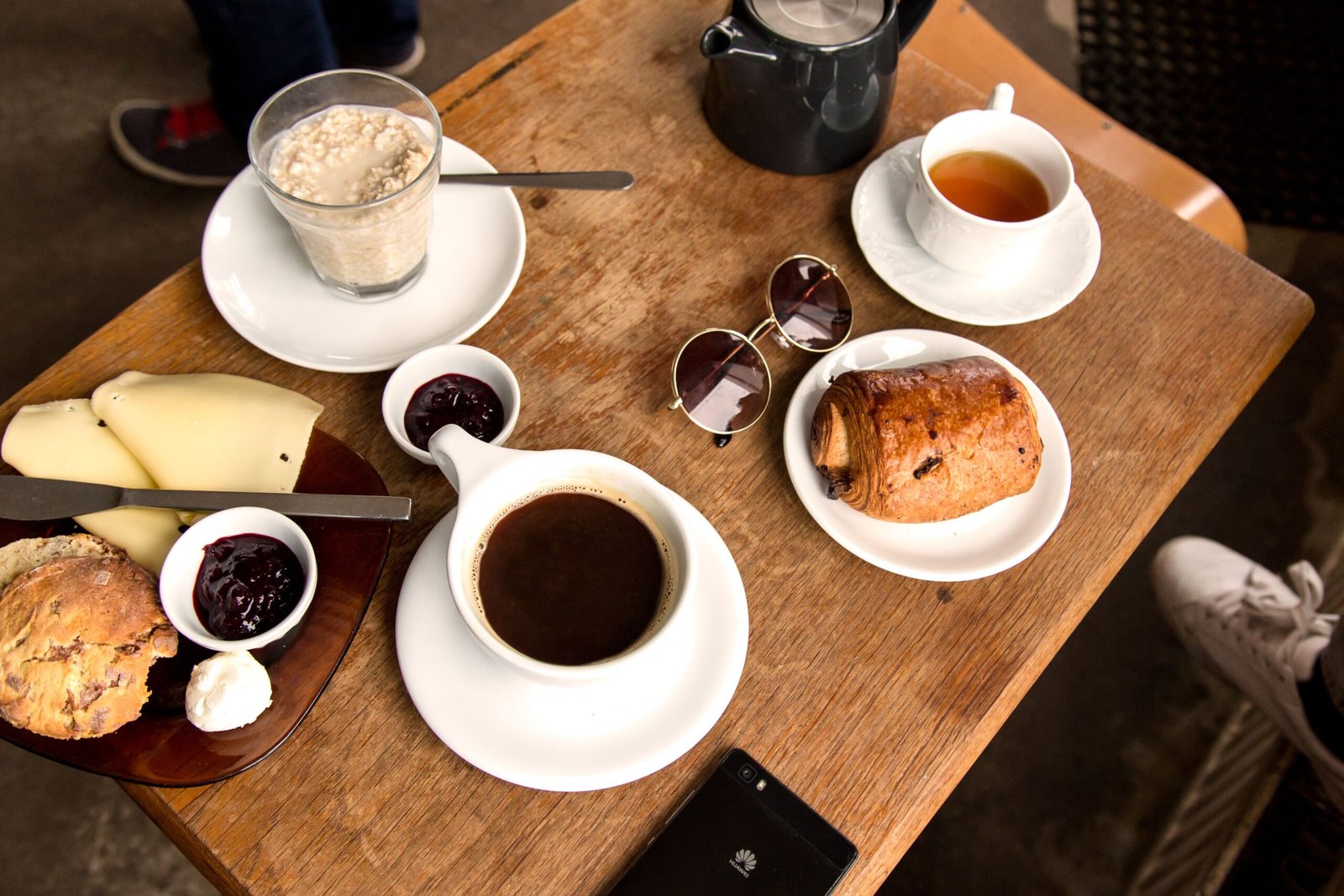
Café LÆ is a waterfront café and restaurant located in Thisted, Denmark, offering an inviting combination of Italian-inspired cuisine, freshly prepared food, and scenic views of the Limfjord. Its location near the harbor makes it an appealing place for visitors who want to enjoy a meal while taking in the surrounding waterfront scenery. Whether you are planning a relaxed lunch, a coffee break, or a meal with friends, Café LÆ is worth exploring.
What makes Café LÆ interesting is its blend of Italian culinary inspiration and a welcoming Danish café atmosphere. Visitors can explore food options ranging from panini sandwiches and pasta dishes to freshly brewed coffee and other café favorites. In this guide, you will discover its location, menu highlights, dining atmosphere, and practical tips for planning a visit.
What Is Café LÆ?
Café LÆ is a café and restaurant situated at Sydhavnsvej 2, 7700 Thisted, Denmark. The establishment is known for its Italian-inspired approach to food, combined with a relaxed setting near the harbor. Its waterfront location provides an attractive backdrop for people who enjoy dining in scenic surroundings.
The café’s concept reflects a passion for Italian cooking developed alongside experience in Danish and French gastronomy. Rather than focusing exclusively on coffee and pastries, Café LÆ offers a broader dining experience with meals, sandwiches, and beverages. This makes it a potential choice for both a quick stop and a longer lunch.
Where Is Café LÆ Located?
Café LÆ is located on Sydhavnsvej in Thisted, a town in North Jutland, Denmark. Its position near the harbor offers views across the Limfjord toward the surrounding coastal landscape. The setting can be especially appealing to visitors who want to combine a meal with a walk along the waterfront.
If you are planning a visit, check the café’s official website for directions and current opening information before travelling. You can also use the address, Sydhavnsvej 2, 7700 Thisted, to find the location on a navigation app. Confirming the details in advance can help you plan your visit more comfortably.
What Makes Café LÆ Special?
One of the defining features of Café LÆ is its combination of food and waterfront scenery. Instead of offering only a place to eat, the café provides an opportunity to enjoy a meal while looking out over the Limfjord. This setting can make an ordinary coffee break or lunch feel more relaxed and memorable.
Its Italian-inspired menu adds another dimension to the experience. Visitors looking for pasta, panini, or other Mediterranean-influenced dishes may appreciate the variety beyond traditional café refreshments. The combination of a scenic location and a broader food selection gives Café LÆ a distinctive identity in Thisted.
Café LÆ Menu: What Can You Eat?
The menu at Café LÆ features Italian-inspired dishes alongside familiar café options. Available menu descriptions have included pasta, panini sandwiches, brunch selections, and other meals suited to lunch or a casual dining occasion. Freshly ground coffee is also part of the café’s offering.
Menu items and availability can change with the season and the restaurant’s current offerings. If you have a particular dish in mind, check the latest menu before visiting rather than assuming that every previously listed item is available. This is particularly useful when planning a meal around dietary preferences or specific ingredients.
Italian-Inspired Food at Café LÆ
Italian cuisine is an important influence on the Café LÆ dining concept. Dishes described in published menu information have included tagliatelle, spaghetti carbonara, and mushroom risotto, offering a range of options for people who enjoy pasta and comforting meals. Such dishes can appeal to visitors seeking a sit-down lunch rather than a simple snack.
The café’s Italian inspiration also fits well with its selection of sandwiches and lighter meals. For example, a panini can be a convenient option for a relaxed lunch, while a pasta dish may suit someone looking for a more substantial meal. Check the current menu to see which dishes are being served during your visit.
Coffee and Café Drinks
Coffee is another important part of the Café LÆ experience. The café promotes freshly ground coffee and offers an inviting setting for people who want to take a break during a day of sightseeing or exploring Thisted. A well-prepared cup of coffee can complement a light meal or provide a simple reason to stop by.
Visitors can consider pairing their coffee with a sandwich, dessert, or another available menu item. If you prefer a particular coffee style, ask the staff about the current drink selection. Availability may vary, so it is best to confirm specific beverages directly with the café.
Brunch and Lunch at Café LÆ
Café LÆ is listed as a venue offering lunch and brunch, making it a potential choice for daytime dining in Thisted. Brunch can be a convenient option for visitors who prefer a relaxed meal that falls between breakfast and lunch. The café’s waterfront location adds to the appeal of taking time to enjoy a meal rather than rushing through it.
For lunch, visitors can explore the available pasta dishes, sandwiches, and other menu options. If you are visiting with friends or family, checking the menu beforehand can help everyone find something suitable. Confirm current serving times and availability directly with the restaurant before making specific plans.
The Atmosphere and Waterfront Views
The setting is one of the main reasons Café LÆ stands out among dining options in Thisted. Located near the harbor, it offers views of the Limfjord and a chance to enjoy the surrounding coastal scenery while eating. The waterfront environment can be particularly attractive for visitors who appreciate a meal with a view.
A visit may fit naturally into a day spent exploring the town or walking around the harbor area. You could plan lunch at the café before continuing to nearby attractions or enjoying the waterfront. For the best experience, check weather conditions if you hope to spend additional time outdoors.
Is Café LÆ Suitable for Couples, Families, and Friends?
Café LÆ may be a suitable option for different types of visitors, depending on their dining preferences and the restaurant’s current arrangements. Couples can consider it for a relaxed lunch, while friends may enjoy meeting over coffee and sharing a meal. Its varied menu concept can also appeal to people who prefer different kinds of food.
Families should check available seating, children’s menu options, and any practical arrangements before visiting with young children. Similarly, larger groups should contact the café in advance to ask about table availability. Confirming these details helps ensure that the visit suits the needs of everyone in the group.
Tips for Planning Your Visit to Café LÆ
A little preparation can make your visit to Café LÆ easier. Start by checking the current opening hours, menu, and contact information on the official website. If you plan to visit during a busy period or with a group, ask whether a reservation is recommended.
It is also helpful to consider your preferred meal time and any dietary requirements. Contact the café directly if you need information about vegetarian choices, vegan dishes, food allergies, or accessibility. These details can change, so direct confirmation is more reliable than relying on older listings.
How Café LÆ Fits into a Visit to Thisted
Thisted is a destination in North Jutland where visitors can explore local streets, waterfront areas, and the wider Limfjord region. Café LÆ provides a possible stopping point for people who want to combine sightseeing with a meal or coffee. Its harbor-side location makes it particularly relevant to visitors spending time near the water.
One practical approach is to explore the surrounding area first and then stop at the café for lunch or refreshments. Alternatively, you can begin your day with a coffee before continuing to other attractions. Checking opening times and travel arrangements in advance will help you make the most of your time in Thisted.
Frequently Asked Questions About Café LÆ
Where is Café LÆ located?
Café LÆ is located at Sydhavnsvej 2, 7700 Thisted, Denmark. It sits near the harbor and offers views across the Limfjord, making its location an appealing part of the dining experience.
What type of food does Café LÆ serve?
Café LÆ focuses on Italian-inspired cuisine and café dining. Published descriptions have included pasta, panini sandwiches, brunch, lunch, and freshly ground coffee, although the current menu should be checked before visiting.
Does Café LÆ offer vegetarian or vegan options?
The regional tourism listing identifies vegetarian and vegan facilities among the café’s amenities. However, the availability of specific dishes may change, so visitors should confirm current options and ingredients directly with the restaurant.
Can I visit Café LÆ for coffee only?
The café promotes freshly ground coffee, making it a potential stop for visitors who want a drink without planning a full meal. Check its current service arrangements if you want to visit specifically for coffee and a light snack.
Does Café LÆ have a view of the Limfjord?
Yes, published tourism information highlights its panoramic views of the Limfjord. The waterfront setting is one of the café’s main attractions for visitors who enjoy combining food and drinks with coastal scenery.
How can I check Café LÆ’s opening hours?
The most reliable approach is to check the café’s official website or contact the restaurant directly. Opening hours can change due to holidays, seasonal arrangements, and special events, so verify them before travelling.
Is Café LÆ suitable for a special occasion?
The café has been described in published venue information as available for private parties and corporate events. If you are planning a birthday, group meal, or other celebration, contact the restaurant to discuss current availability and arrangements.
Conclusion
Café LÆ offers a combination of Italian-inspired food, freshly ground coffee, and waterfront scenery in Thisted, Denmark. Its menu descriptions include pasta, panini, lunch, and brunch options, making it a place to consider for a casual meal or a relaxing break. The views across the Limfjord add an appealing element to the overall setting.
If you are planning to visit Café LÆ, check the latest menu, opening hours, and reservation arrangements before setting out. Whether you are exploring Thisted or simply looking for a café near the harbor, having current information will help you plan a more enjoyable experience. Café LÆ is a useful option to explore when looking for food and coffee in this part of North Jutland.
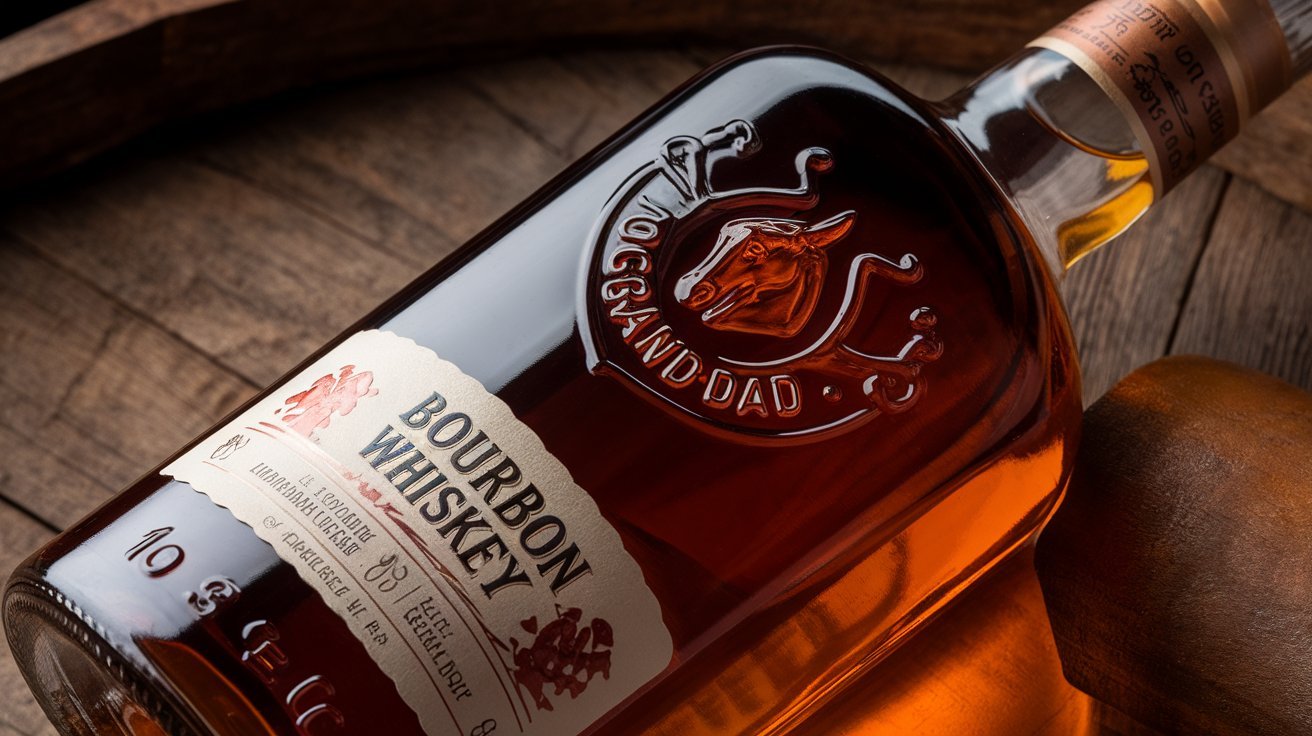
Bourbon Maker’s Mark is one of the best-known bourbon brands associated with Kentucky and is recognized for its distinctive bottle, red wax seal, and use of soft red winter wheat in its bourbon recipe. The brand traces its modern history to the Samuels family and its distillery at Star Hill Farm in Loretto, Kentucky. Maker’s Mark says its first bottle was completed and hand-dipped in 1958, establishing many of the visual traditions that remain associated with the brand today.
Beyond its recognizable packaging, Maker’s Mark has built its identity around a particular approach to bourbon making. The distillery emphasizes handcrafted production, red winter wheat, limestone water, barrel rotation, and aging to taste rather than relying solely on a fixed age statement. In 2026, the company continues to expand its portfolio while maintaining connections to its historic production methods.
The History of Maker’s Mark
The modern Maker’s Mark story began with Bill Samuels Sr., who wanted to create a bourbon with a flavor profile different from the whiskey traditions he had inherited. According to the company’s history, Samuels discarded the family’s old recipe and developed a new mash bill using soft red winter wheat instead of rye.
The Samuels family describes 1952 as an important year because Bill Samuels Sr. began the new distillery at the location that remains Maker’s Mark’s home. In 1953, he burned the family’s old recipe, while Margie Samuels developed the Maker’s Mark name, bottle design, and distinctive packaging.
The first Maker’s Mark bottle was finished in 1958, and the brand became increasingly recognized in the following decades. Bill Samuels Jr. later continued the family business and introduced additional innovations, including Maker’s Mark 46. Today, Rob Samuels, an eighth-generation member of the Samuels family, serves as managing director of the distillery.
What Makes Maker’s Mark Bourbon Distinctive?
A major feature of Maker’s Mark is its use of red winter wheat. Traditional bourbon recipes commonly use corn as the primary grain together with smaller amounts of other grains. Maker’s Mark uses wheat rather than rye as its flavoring grain, creating the style that the company describes as softer and sweeter.
The brand also emphasizes its limestone-filtered water source at Star Hill Farm. According to Maker’s Mark, the local limestone formation naturally filters the water and provides calcium- and magnesium-rich water used during production.
Another distinctive characteristic is the brand’s yeast. Maker’s Mark says its production uses an heirloom yeast strain that has been part of the distillery’s process for decades.
These choices are part of the brand’s broader philosophy: rather than simply reproducing a conventional bourbon formula, Maker’s Mark built its identity around a specific flavor vision established by Bill Samuels Sr.
How Maker’s Mark Is Produced
Maker’s Mark describes its production as a combination of traditional methods and carefully controlled craftsmanship. The process begins with ingredients including corn, red winter wheat, malted barley, water, and yeast.
Fermentation is followed by distillation in copper column stills. The company states that its bourbon undergoes a double-distillation process designed to refine the spirit before it enters the aging stage.
The barrels are particularly important. Maker’s Mark uses new American oak barrels that are charred before being filled. The company explains that the barrel-char process helps open the wood and caramelize natural wood sugars, contributing characteristics associated with vanilla, caramel, and other oak-derived flavors.
One of Maker’s Mark’s notable production practices is hand rotation of barrels. The distillery says its barrels are rotated manually to manage exposure to different temperatures within its warehouses. Rather than relying strictly on a predetermined number of years, Maker’s Mark states that it ages its bourbon to taste.
The company’s production information says its classic bourbon commonly takes approximately six to seven years to reach the desired character, although the exact process varies among different expressions.
The Famous Red Wax Seal and Bottle Design
The red wax seal is arguably Maker’s Mark’s most recognizable visual feature. Unlike an ordinary printed label or standardized cap, each bottle receives its distinctive wax finish at the distillery.
The packaging tradition is closely associated with Margie Samuels, who helped establish the brand’s visual identity. She created the bottle shape, label concept, name, and red wax presentation that helped distinguish Maker’s Mark from other bourbon brands.
The labels themselves also have a handcrafted element. Maker’s Mark says its distinctive labels continue to be produced using a hand-operated 1935 Chandler & Price printing press.
As a result, the packaging is not simply decorative. It represents an important part of the company’s historical identity and its emphasis on craftsmanship.
Maker’s Mark Products and Innovation
Although the classic Maker’s Mark Kentucky Straight Bourbon remains central to the brand, the company has developed several other expressions over the years.
Maker’s Mark 46 was introduced as a major extension of the original bourbon. It uses fully matured Maker’s Mark and finishes it with seared French oak staves, creating a different flavor profile with additional oak, caramel, vanilla, and baking-spice characteristics.
The company also produces expressions such as Cask Strength, 101, Private Selection, Wood Finishing Series releases, and Cellar Aged Bourbon. These products demonstrate how Maker’s Mark experiments with maturation, finishing, proof, and blending while maintaining its underlying bourbon identity.
In 2026, Maker’s Mark’s Cellar Aged Bourbon release combines 11-, 12-, and 14-year-old Maker’s Mark and is bottled at cask strength. The company describes this as part of its continuing exploration of longer maturation in its limestone cellar.
Maker’s Mark in 2026
Maker’s Mark continues to connect its bourbon heritage with environmental and agricultural initiatives. The company has highlighted regenerative agriculture, watershed protection, and American white oak research as important parts of its long-term strategy.
Its home at Star Hill Farm is central to this approach. The distillery describes the farm and surrounding watershed as important resources for its production and has introduced projects focused on water conservation, biodiversity, and agricultural sustainability.
Maker’s Mark also continues to release limited-edition products and special collections. Its Greats of the Gate 2026 release celebrates Northern Dancer, the Canadian-bred Thoroughbred that won both the Kentucky Derby and Preakness Stakes. The series reflects the brand’s long-standing relationship with Kentucky culture and horse racing.
Final Thoughts
Bourbon Maker’s Mark represents a combination of family history, Kentucky craftsmanship, distinctive ingredients, and recognizable branding. From Bill Samuels Sr.’s decision to replace rye with soft red winter wheat to Margie Samuels’ creation of the famous red wax presentation, the brand developed an identity that remains closely connected to its origins.
In 2026, Maker’s Mark continues to preserve its traditional production methods while exploring new expressions, longer maturation, and sustainability initiatives. Its history illustrates how a bourbon brand can build a recognizable identity through its ingredients, production philosophy, packaging, and connection to a particular place.
For educational purposes, Maker’s Mark is especially notable as an example of Kentucky bourbon heritage and American food-and-drink branding, with its red wax seal, wheat-based recipe, family history, and Star Hill Farm setting forming the core of its identity.

Breakfast Places Near Me: Best Morning Food Spots in 2026

VRChat Login: How to Sign In, Create an Account, and Fix Login Problems in 2026

Café LÆ: Menu, Location, Atmosphere, and What to Expect

Is It Goodmorning or Good Morning? The Correct Spelling, Grammar Rules, Examples, and Common Mistakes

Sarah Ziolkowska: Biography, Career, Marriage, Divorce, and Life After Fame

Lucas’s: The Correct Possessive Form, Grammar Rules, Examples, and Common Mistakes
 Education3 months ago
Is It Goodmorning or Good Morning? The Correct Spelling, Grammar Rules, Examples, and Common Mistakes
- News4 months ago
Sarah Ziolkowska: Biography, Career, Marriage, Divorce, and Life After Fame
- Education3 months ago
Lucas’s: The Correct Possessive Form, Grammar Rules, Examples, and Common Mistakes
- celebrity4 months ago
Otelia Cox: Biography, Career, Personal Life, Achievements, and Lasting Legacy
- Tech4 months ago
// turbogeek.org: Your Complete Guide to Technology, Innovation, and Digital Knowledge
- Tech4 months ago
Start Writing LetsBuildUp.org Blog: A Complete Guide to Creating Engaging and Valuable Content
- celebrity4 months ago
Jasper Breckenridge Johnson: Biography, Family Background, Career, and Interesting Facts
- Entertainment3 months ago
Czech Hunter: Complete Guide, Background, Content Overview, and Online Popularity in 2026