News
By Jove NYT: Meaning, Origin, Usage, and Connection to Modern Language Trends in 2026

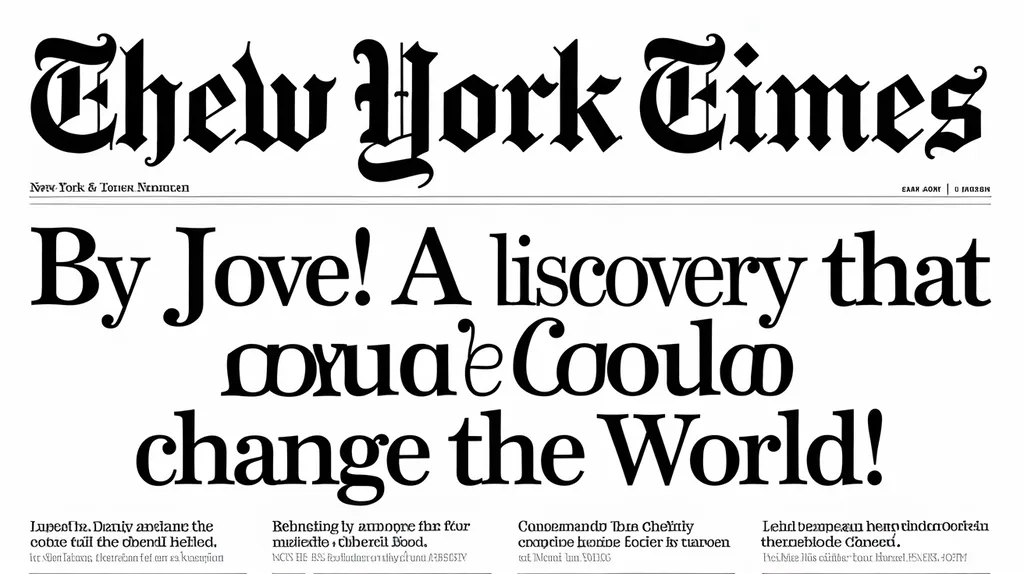
Language has always evolved through culture, literature, journalism, entertainment, and everyday communication. Some expressions remain popular for generations because they carry historical meaning and unique character. One such phrase that continues attracting attention is “By Jove”, especially among readers searching for By Jove NYT and its connection to modern word discussions.
The phrase By Jove represents an old-fashioned expression that has been used for centuries to express surprise, excitement, admiration, or emphasis. Although it is not as common in everyday conversations today, it continues appearing in literature, puzzles, cultural discussions, and language-focused content. The connection with NYT (The New York Times) reflects the growing interest in understanding unusual phrases, vocabulary, and expressions that appear in journalism, word games, and popular media.
This detailed guide explores the meaning, history, usage, and modern relevance of By Jove NYT, explaining why this phrase continues to capture attention in 2026.
What Does “By Jove” Mean?
“By Jove” is an English expression traditionally used as an exclamation showing surprise, excitement, approval, or strong emotion. It is similar in meaning to phrases such as:
- “Wow!”
- “Indeed!”
- “Goodness!”
- “I am surprised!”
The expression is often associated with older British English and classic literature. While it may sound formal or historical today, it remains recognizable because of its distinctive style and cultural importance.
For example:
- “By Jove, that was an incredible discovery!”
- “By Jove, you have solved the problem!”
In modern usage, the phrase is usually used humorously, nostalgically, or intentionally to create an old-fashioned tone.
The Historical Origin of By Jove
The history of By Jove dates back several centuries. The expression developed as a substitute for direct references to Jupiter, the Roman king of the gods.
In earlier English traditions, people sometimes avoided using sacred or powerful names casually. As a result, expressions like “By Jove” became alternatives that allowed speakers to express strong emotions without directly invoking religious language.
The word Jove itself comes from the Latin name Jovis, another form of Jupiter. Over time, the phrase became popular in English-speaking cultures, especially during the 18th and 19th centuries.
Writers, playwrights, and public speakers used expressions like By Jove to add personality, humor, or dramatic emphasis to their language.
Why Is By Jove Connected With NYT?
The phrase By Jove NYT has gained attention because modern readers frequently search for explanations of unusual expressions, crossword clues, and vocabulary references associated with publications like The New York Times.
The New York Times is well known for publishing:
- Crossword puzzles
- Word-related challenges
- Cultural articles
- Language discussions
- Historical references
Many readers encounter uncommon phrases through crossword puzzles and vocabulary games. Expressions like By Jove are especially interesting because they combine historical background with practical word knowledge.
The popularity of online searches related to phrases appearing in NYT puzzles demonstrates how language-based content continues attracting a large audience.
By Jove in Crossword Puzzles and Word Games
One major reason expressions like By Jove remain relevant is their appearance in crossword puzzles and vocabulary challenges.
Crossword creators often use traditional expressions because they provide:
- Interesting wordplay opportunities
- Historical connections
- Recognizable patterns
- Cultural references
Players searching for By Jove NYT may be looking for help understanding a crossword answer, a clue reference, or the meaning behind an unusual phrase.
Learning expressions like this can improve crossword-solving skills because many puzzles rely on:
- Historical terms
- Literary expressions
- Old-fashioned phrases
- Cultural references
Expanding vocabulary is one of the best strategies for becoming a stronger crossword solver.
How By Jove Is Used in Modern English
Although By Jove is less common than modern expressions, it still appears in several contexts.
Literature and Fiction
Authors sometimes use the phrase to create a historical atmosphere or represent a particular character style.
Comedy and Entertainment
Modern writers may use By Jove humorously because it sounds dramatic and traditional.
Educational Content
Language teachers often introduce the phrase when discussing English history, idioms, and cultural expressions.
Word Games
Puzzle enthusiasts encounter the phrase through crossword clues and vocabulary exercises.
Today, using By Jove usually creates a playful or sophisticated effect rather than a serious everyday expression.
The Cultural Importance of Traditional Expressions
Expressions like By Jove demonstrate how language preserves history. Even when certain phrases become less common, they continue existing through books, films, journalism, puzzles, and education.
Traditional expressions provide insight into:
- Historical communication styles
- Cultural beliefs
- Social changes
- Literary traditions
- Language evolution
Studying these phrases helps people understand how English has developed over time.
In 2026, interest in historical language continues growing because digital platforms make it easier than ever to explore words, meanings, and linguistic connections.
Why People Search for By Jove NYT in 2026
Search interest surrounding By Jove NYT comes from several sources.
Crossword Enthusiasts
Many puzzle players search for explanations of difficult clues and unfamiliar expressions.
Language Learners
English learners often explore unique phrases to improve vocabulary and cultural understanding.
History and Literature Fans
Readers interested in classic English expressions enjoy discovering the background behind traditional sayings.
Digital Researchers
People frequently search online for definitions, origins, and examples of unusual terms.
The continued popularity of language-based searches shows that people remain fascinated by the stories behind words.
The Future of Language Discovery and Digital Learning
Technology has transformed how people learn about language. Today, users can instantly research phrases, meanings, and historical information through digital resources.
Future language trends include:
- AI-powered vocabulary tools
- Interactive learning platforms
- Digital dictionaries
- Online puzzle communities
- Personalized language education
These developments make it easier for people worldwide to explore expressions like By Jove and understand their cultural significance.
As digital learning continues expanding, historical phrases will continue finding new audiences.
Conclusion
By Jove NYT represents more than just a phrase search. It reflects the connection between language history, crossword culture, journalism, and modern digital curiosity. The expression By Jove has survived for centuries because of its unique sound, historical background, and cultural value.
Although the phrase is not commonly used in everyday conversations today, it remains an important part of English vocabulary. It appears in literature, puzzles, educational discussions, and cultural references, helping preserve the richness of the English language.
Understanding expressions like By Jove allows readers to appreciate how words evolve while maintaining connections to the past. In 2026, the continued interest in this phrase demonstrates that language history remains a fascinating topic for learners, writers, and puzzle enthusiasts around the world.
Frequently Asked Questions (FAQs)
What does By Jove mean?
By Jove is an old English expression used to show surprise, excitement, or emphasis.
Where did the phrase By Jove come from?
The phrase originated as a substitute expression related to Jove, the Roman name associated with Jupiter.
Why is By Jove searched with NYT?
Many people search for By Jove NYT because of crossword puzzles, language discussions, and vocabulary references.
Is By Jove still used today?
Yes, but it is mostly used humorously, historically, or in literary contexts.
Is By Jove used in crossword puzzles?
Yes, traditional expressions like By Jove are sometimes used because they provide interesting cultural and linguistic clues.
Why are old expressions still important?
Traditional phrases preserve history, cultural knowledge, and the evolution of language over time.
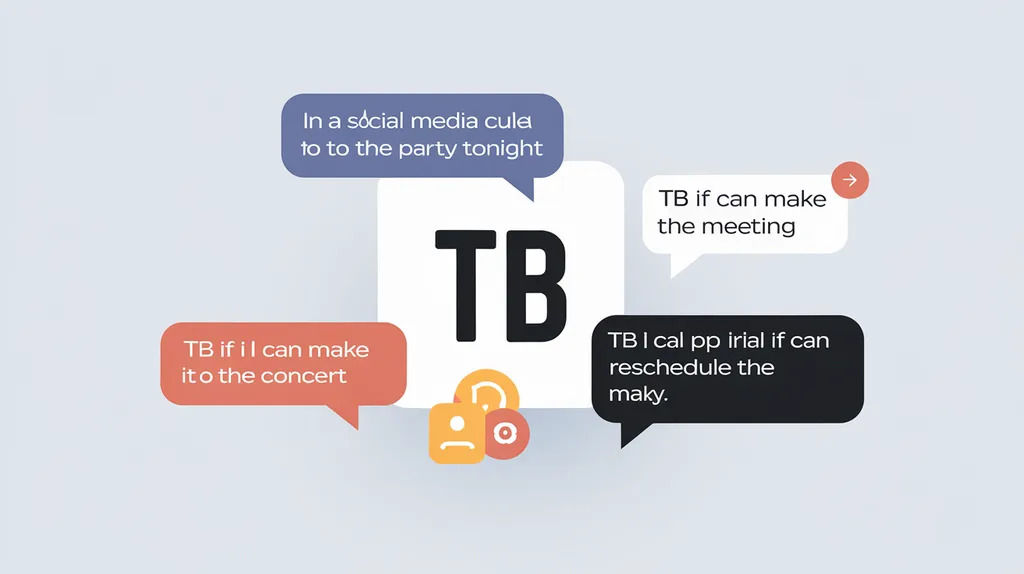
Modern digital communication has transformed the way people interact, leading to the widespread use of abbreviations, acronyms, and internet slang. Whether you are texting a friend, chatting on Snapchat, scrolling through Instagram, or participating in online communities, you have probably come across the abbreviation TB. If you have ever wondered, “What does TB mean in text?”, you are not alone. The meaning of TB depends on the context of the conversation, making it one of those abbreviations that can confuse both new and experienced internet users. In some situations, TB refers to Throwback, while in others it may stand for Text Back, Tuberculosis, Terabyte, or another phrase entirely. Understanding these different meanings helps you avoid misunderstandings and communicate more effectively. This guide explains the most common definitions of TB in texting, social media, online messaging, and everyday communication, along with examples that show exactly how the abbreviation is used.
What Does TB Mean in Text?
In texting, TB can have several meanings, but the intended definition almost always depends on the conversation.
One of the most common meanings is Text Back. When someone writes “TB,” they may simply be asking the other person to reply when they have time. For example, a friend might send, “I’m heading into class now. TB when you’re free.” In this context, TB is a quick way of saying “text me back.”
Another widely recognized meaning is Throwback, especially on social media. People often use TB when sharing old photos, memories, or past experiences. Although TBT (Throwback Thursday) is more common as a hashtag, some users shorten it to TB in casual conversations.
Because abbreviations often have multiple meanings, it is important to consider the topic and surrounding messages before deciding what TB means.
Common Meanings of TB in Texting
The abbreviation TB has several widely accepted meanings depending on the situation.
Text Back is one of the most common meanings in personal conversations. It is used to request or remind someone to respond to a message.
Throwback refers to something from the past, such as an old memory, photograph, event, or experience. This meaning frequently appears on social media.
Terabyte is used in technology discussions to describe a unit of digital storage equal to approximately one trillion bytes.
Tuberculosis is the medical meaning of TB and appears in healthcare, educational, and scientific discussions.
Although these meanings differ significantly, the surrounding conversation almost always reveals which one is intended.
TB Meaning on Social Media
On platforms such as Instagram, Facebook, TikTok, Snapchat, and X, TB most commonly means Throwback. Users post old vacation photos, childhood pictures, memorable events, or nostalgic moments and label them with TB to indicate that the content is from the past.
Examples include:
- TB to our amazing beach vacation.
- TB from my graduation day.
- TB to last summer with my best friends.
The abbreviation creates a sense of nostalgia and encourages people to revisit meaningful memories.
TB Meaning on Snapchat
On Snapchat, TB can mean either Text Back or Throwback, depending on the conversation.
If someone sends:
“Busy right now. TB later.”
They are asking for a reply later.
If someone posts an old selfie with the caption:
“TB to high school.”
They are referring to a throwback memory.
Since Snapchat combines private messaging with stories, both meanings are common.
Examples of TB in Text Messages
Understanding abbreviations becomes much easier when you see them in real conversations.
Friend 1: “Call me when you get home.”
Friend 2: “Can’t talk now. TB later.”
“I found our old school photos.”
“TB! Those were great times.”
“My laptop has a 2 TB hard drive.”
Here, TB refers to terabytes, not texting or memories.
“The doctor tested him for TB.”
In this sentence, TB means tuberculosis.
These examples show why context is essential when interpreting abbreviations.
Why Context Matters
Unlike some abbreviations that have only one meaning, TB can represent several completely different concepts. Reading only the abbreviation without considering the rest of the conversation may lead to misunderstandings.
For example:
“I need 1 TB.”
In a technology discussion, this almost certainly means 1 terabyte of storage.
However:
“TB when you’re free.”
Clearly means Text Back.
Similarly:
“TB to our childhood.”
Means Throwback.
Looking at surrounding words, the platform, and the subject of the conversation helps determine the correct interpretation.
Why Internet Abbreviations Are So Popular
Abbreviations such as TB save time, reduce typing, and make digital communication more efficient. As texting and social media have become increasingly popular, people naturally began shortening commonly used phrases.
Today, abbreviations such as LOL, BRB, IMO, IDK, TBH, TBT, and TB are widely recognized across many online platforms. Although they simplify communication, they also require readers to understand the intended context.
Common Mistakes When Interpreting TB
One common mistake is assuming that TB always means Throwback because of social media. In reality, private messages often use TB to mean Text Back.
Another mistake is forgetting that technology and healthcare use TB with entirely different meanings. Reading only the abbreviation without considering the surrounding topic can easily create confusion.
When in doubt, ask for clarification or read the complete conversation before interpreting the abbreviation.
Conclusion
The abbreviation TB has several meanings, making context essential for understanding its intended use. In text messages, it commonly stands for Text Back, while on social media it often means Throwback. In technology, TB refers to Terabyte, and in medical discussions it stands for Tuberculosis. By paying attention to the surrounding conversation and the platform where the abbreviation appears, you can quickly determine its correct meaning. As online communication continues to evolve, learning common abbreviations like TB helps you communicate more effectively and understand digital conversations with greater confidence.
Frequently Asked Questions (FAQs)
1. What does TB mean in text?
In text messages, TB commonly means Text Back, although the meaning depends on the conversation.
2. What does TB mean on social media?
On social media, TB usually stands for Throwback, referring to old memories or photos.
3. What does TB mean on Snapchat?
On Snapchat, TB can mean either Text Back or Throwback, depending on the context.
4. Does TB always mean the same thing?
No. TB has multiple meanings, including Text Back, Throwback, Terabyte, and Tuberculosis.
5. What does TB mean in technology?
In technology, TB stands for Terabyte, a unit of digital data storage.
6. What is the medical meaning of TB?
In medicine, TB stands for Tuberculosis, a bacterial infectious disease that primarily affects the lungs.
7. How can I tell what TB means?
Look at the surrounding conversation, the platform, and the topic being discussed. Context usually makes the intended meaning clear.

Sarah Ziolkowska is a Canadian librarian and reading specialist who gained public attention because of her former marriage to comedian, writer, and television personality Nathan Fielder. Although she became known through that relationship, Sarah has built a respected professional career centered on education, literacy, and helping young readers develop lifelong learning skills. Unlike many individuals connected to celebrities, she has largely stayed away from media attention and social platforms, choosing instead to focus on her profession and personal privacy. Her quiet approach to life has only increased public curiosity, leading many people to search for information about her background, education, career achievements, and life after her divorce. This article provides a comprehensive look at Sarah Ziolkowska’s life, professional accomplishments, marriage, separation, and the reasons she continues to attract public interest.
Who Is Sarah Ziolkowska?
Sarah Ziolkowska is a Canadian librarian, literacy educator, and reading specialist known for her dedication to children’s education and literacy development. While her name became widely recognized because of her marriage to Nathan Fielder, she has always maintained a career independent of the entertainment industry. She is respected among colleagues for her commitment to promoting reading, educational development, and library services. Unlike many people who become associated with celebrities, Sarah has consistently preferred a private lifestyle, rarely making public appearances or giving interviews.
Her professional work reflects a passion for education rather than fame. Over the years, she has worked with schools and libraries where she helps students discover the joy of reading while supporting teachers and parents in developing literacy skills.
Early Life and Education
Very little public information is available regarding Sarah Ziolkowska’s childhood because she has intentionally kept her early life private. However, it is known that she grew up in Canada and pursued higher education with a focus on library science and information management. Her academic interests reflected her desire to work in educational environments where books, research, and literacy play central roles.
She later attended Dalhousie University in Halifax, Nova Scotia, where she earned a Master of Library and Information Science (MLIS) degree. During her studies, she developed expertise in cataloging, information organization, children’s literature, digital resources, and educational programming. Her academic training prepared her for a career dedicated to helping students, teachers, and communities access valuable learning resources.
Professional Career
Sarah Ziolkowska has established herself as a skilled librarian and literacy professional. Her work extends beyond organizing books, as modern librarians often serve as educators, technology guides, research specialists, and literacy advocates. Throughout her career, she has supported students in developing reading habits while creating engaging educational experiences that encourage curiosity and lifelong learning.
Her experience includes working in educational institutions where she collaborated with teachers to design reading programs, assisted students with research projects, and introduced innovative library initiatives. She has also been involved in literacy development programs aimed at improving reading comprehension among children.
Rather than seeking recognition through media exposure, Sarah has consistently prioritized meaningful work that benefits students and educational communities. This dedication has earned her respect within her professional field.
Marriage to Nathan Fielder
Sarah Ziolkowska married Nathan Fielder before he achieved widespread international recognition. At the beginning of their relationship, Nathan was still building his career in comedy, writing, and television. Like many couples, they shared ambitions and supported one another through important stages of their lives.
As Nathan’s career expanded, particularly after the success of his television projects, public attention surrounding their relationship naturally increased. However, Sarah continued to maintain a private lifestyle despite growing curiosity from fans and the media. She rarely discussed her marriage publicly and avoided becoming involved in celebrity culture.
Their relationship became known primarily because Nathan occasionally referenced personal experiences during interviews, though both individuals largely respected each other’s privacy.
Divorce and Public Interest
Sarah Ziolkowska and Nathan Fielder eventually divorced after several years of marriage. Although the exact reasons behind their separation have never been fully disclosed, Nathan has mentioned in interviews that the divorce was emotionally difficult. Both individuals have avoided publicly discussing private details, demonstrating mutual respect despite ending their marriage.
Because Sarah chose not to speak publicly about the divorce, speculation has remained limited. Her decision to avoid interviews and social media discussions has allowed her to maintain a relatively peaceful personal life while continuing her professional career.
The public’s curiosity largely stems from Nathan Fielder’s fame rather than controversy surrounding Sarah herself. As a result, searches about her continue to focus on her background, career, and current life.
Life After Divorce
Following her divorce, Sarah Ziolkowska returned her full attention to her professional career in education and library services. She has continued working in environments dedicated to literacy and student learning while remaining outside the public spotlight.
Unlike many individuals connected to celebrities who pursue media opportunities, Sarah appears to value privacy and professional fulfillment over public recognition. There are very few verified public appearances or interviews involving her after the divorce, which has contributed to ongoing curiosity about her current life.
Her story demonstrates that personal challenges do not necessarily define an individual’s future. Instead, she has continued focusing on education, knowledge sharing, and helping young readers succeed.
Why Sarah Ziolkowska Continues to Attract Attention
Sarah Ziolkowska remains a popular search topic because she represents a rare example of someone connected to celebrity culture who deliberately avoids public attention. In an age dominated by social media, interviews, and constant public updates, her preference for privacy has only increased public interest.
Many readers appreciate learning about individuals whose careers focus on meaningful contributions rather than entertainment. Sarah’s work in education highlights the importance of literacy, information management, and community learning. Her story also reminds readers that personal success can be measured through professional dedication rather than public recognition.
Sarah Ziolkowska’s Legacy
Although Sarah Ziolkowska is often introduced as Nathan Fielder’s former wife, that description represents only one chapter of her life. Her professional identity as a librarian, educator, and literacy advocate stands independently of her former marriage. Through years of educational service, she has contributed to improving reading skills and supporting students in their academic development.
Her commitment to privacy has allowed her work to remain the central focus of her life. Rather than seeking attention through celebrity connections, she has consistently chosen a path centered on education, learning, and community service. This approach has earned admiration from many who value substance over publicity.
Conclusion
Sarah Ziolkowska is much more than a public figure associated with a celebrity marriage. She is an accomplished librarian, literacy specialist, and educator who has devoted her career to helping students discover the value of reading and learning. While her relationship with Nathan Fielder introduced her name to a wider audience, her professional achievements and commitment to education define her true legacy. Her preference for privacy has only increased public curiosity, but the available information consistently reflects someone dedicated to knowledge, literacy, and meaningful work rather than fame. As interest in her life continues, Sarah Ziolkowska remains an example of how personal integrity and professional excellence can leave a lasting impression without constant public attention.
Frequently Asked Questions (FAQs)
1. Who is Sarah Ziolkowska?
Sarah Ziolkowska is a Canadian librarian and literacy educator who became publicly known through her former marriage to comedian Nathan Fielder.
2. What is Sarah Ziolkowska’s profession?
She works as a librarian and reading specialist, focusing on literacy education and student learning.
3. Where did Sarah Ziolkowska study?
She earned a Master of Library and Information Science (MLIS) degree from Dalhousie University in Canada.
4. Was Sarah Ziolkowska married to Nathan Fielder?
Yes. Sarah Ziolkowska and Nathan Fielder were married before his rise to mainstream television fame and later divorced.
5. Why did Sarah Ziolkowska and Nathan Fielder divorce?
The exact reasons have not been publicly disclosed. Both have largely kept the details of their separation private.
6. Is Sarah Ziolkowska active on social media?
She maintains a very private life, and there are no widely recognized public social media accounts confirmed to belong to her.
7. What is Sarah Ziolkowska doing now?
Based on publicly available information, she has continued her career in library and literacy services while staying out of the public spotlight.
8. Why is Sarah Ziolkowska famous?
She is widely recognized because of her former marriage to Nathan Fielder, but she is also respected for her career as a librarian and literacy educator.

Brother Sewing Machine Bobbin: Types, Compatibility, Installation, and 2026 Guide

Bourbon Maker’s Mark: History, Craft, Heritage, and 2026 Developments

ASCA National Model: A Complete Guide to the School Counseling Framework in 2026

Is It Goodmorning or Good Morning? The Correct Spelling, Grammar Rules, Examples, and Common Mistakes

Sarah Ziolkowska: Biography, Career, Marriage, Divorce, and Life After Fame

Lucas’s: The Correct Possessive Form, Grammar Rules, Examples, and Common Mistakes
 Education2 months ago
Is It Goodmorning or Good Morning? The Correct Spelling, Grammar Rules, Examples, and Common Mistakes
- News3 months ago
Sarah Ziolkowska: Biography, Career, Marriage, Divorce, and Life After Fame
- Education2 months ago
Lucas’s: The Correct Possessive Form, Grammar Rules, Examples, and Common Mistakes
- celebrity3 months ago
Otelia Cox: Biography, Career, Personal Life, Achievements, and Lasting Legacy
- Tech3 months ago
// turbogeek.org: Your Complete Guide to Technology, Innovation, and Digital Knowledge
- celebrity3 months ago
Jasper Breckenridge Johnson: Biography, Family Background, Career, and Interesting Facts
- Tech3 months ago
Start Writing LetsBuildUp.org Blog: A Complete Guide to Creating Engaging and Valuable Content
- Health3 months ago
Adenoidid: Understanding Adenoid Conditions, Symptoms, Causes, Treatment, and Prevention