
Blog
Triumph Scrambler 400 X: Complete 2026 Guide, Specs, Features, Price, and Review

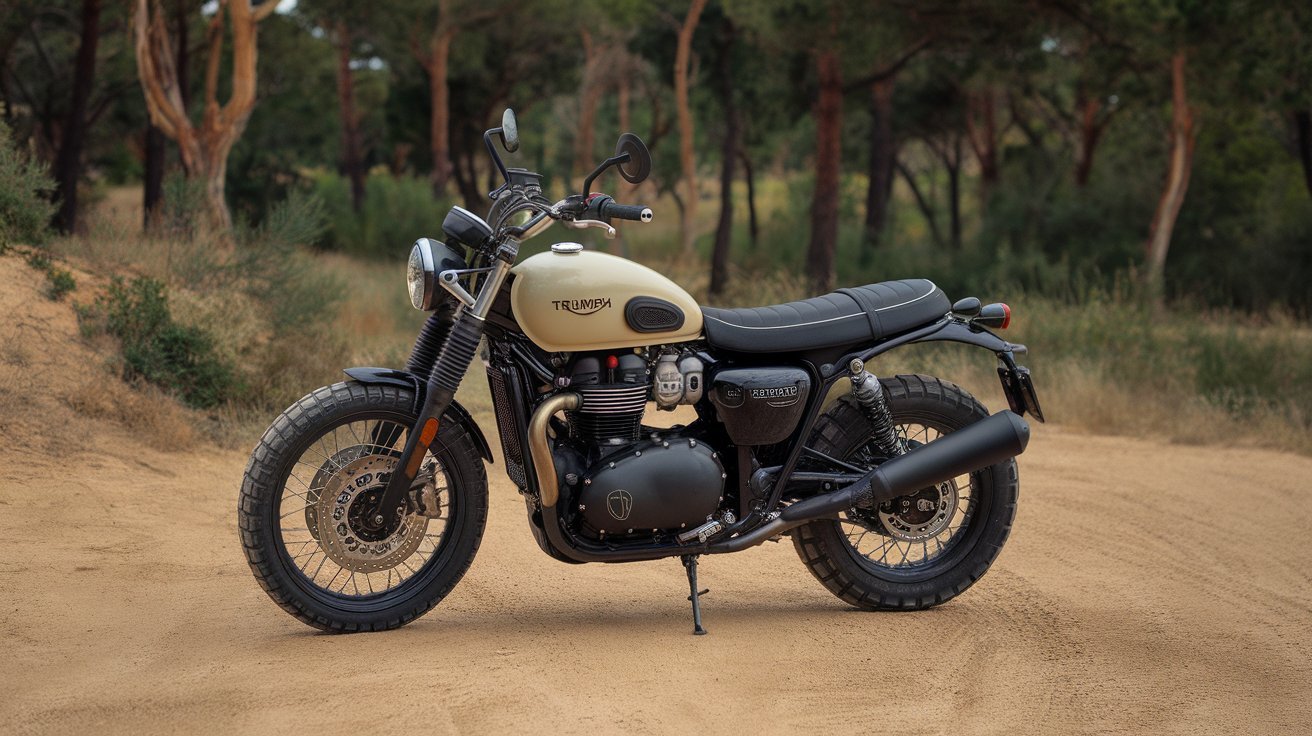
The Triumph Scrambler 400 X is one of the most distinctive modern-classic motorcycles in the middleweight category. It combines the traditional appearance of a Triumph scrambler with modern engineering, practical road manners, and enough suspension travel and ground clearance for light off-road riding. In 2026, the Scrambler 400 X remains an attractive option for riders who want a motorcycle that can handle city streets, highways, broken roads, gravel, and light trails without moving into the much larger and heavier adventure-bike category.
The motorcycle shares its basic platform with the Triumph Speed 400, but it has been developed with a different riding character. Its 19-inch front wheel, 17-inch rear wheel, taller 835 mm seat, longer wheelbase, upright ergonomics, and 150 mm suspension travel give it a more commanding all-road personality. Triumph’s current specifications list a 398.15 cc liquid-cooled single-cylinder engine in several markets, although specifications can vary by market and model year.
Triumph Scrambler 400 X Engine and Performance
At the heart of the Scrambler 400 X is Triumph’s TR-Series single-cylinder engine. In markets using the 398.15 cc specification, the liquid-cooled, four-valve, DOHC engine produces up to 40 PS at 8,000 rpm and 37.5 Nm of torque at 6,500 rpm. It is paired with a six-speed gearbox, electronic fuel injection, electronic throttle control, and a wet multi-plate slip-and-assist clutch.
The engine is designed to deliver usable performance rather than simply chasing peak horsepower. Its tractable character makes it suitable for everyday riding, while the six-speed transmission allows riders to maintain comfortable cruising speeds on faster roads.
One important point for 2026 buyers is that engine specifications vary by market. Triumph India’s current specification page lists a 349 cc engine producing 37 PS and 32 Nm, while Triumph’s U.S. and several other international pages list the 398.15 cc version with approximately 40 PS and 37.5 Nm. Therefore, buyers should always check the specification published for their particular country before comparing the motorcycle with competitors.
Design, Dimensions, and Scrambler Styling
The Scrambler 400 X design is one of its biggest attractions. Triumph has retained the classic proportions associated with its larger Scrambler motorcycles while creating a more accessible package.
The motorcycle features a high-mounted exhaust design, protective details, upright handlebars, a round-style instrument arrangement, sculpted fuel tank, LED lighting, and a purposeful all-road stance. Its design manages to look modern without losing the visual identity associated with classic Triumph motorcycles.
The current international specification lists a 835 mm seat height, approximately 1,418 mm wheelbase, 901 mm handlebar width, and a 13-litre fuel tank. Wet weight is listed at approximately 179 kg in several markets.
The taller riding position gives the rider a better view over traffic and creates a more natural standing position when riding on rougher surfaces. However, shorter riders should consider the 835 mm seat height before purchasing because it is noticeably taller than the Speed 400.
Suspension, Wheels, Brakes, and Off-Road Ability
The Scrambler 400 X is designed to be more capable on uneven roads than a conventional road-focused motorcycle. It uses 43 mm upside-down Big Piston forks at the front with 150 mm of wheel travel, while the rear uses a gas monoshock with an external reservoir and preload adjustment, also providing 150 mm of travel.
The 19-inch front wheel and 17-inch rear wheel are particularly important to its character. The larger front wheel can help the motorcycle deal with potholes, broken surfaces, gravel, and uneven terrain more confidently than a typical 17-inch street setup.
Braking equipment is also substantial. International specifications list a 320 mm front disc with a four-piston radial caliper and ABS, along with a 230 mm rear disc.
The Scrambler 400 X should nevertheless be viewed as an all-road motorcycle rather than a full-scale enduro machine. It is well suited to gravel roads, rough urban streets, dirt tracks, and light trails, but riders tackling difficult technical terrain should remember its weight, cast wheels, road-oriented design, and limitations compared with dedicated off-road motorcycles.
Triumph Scrambler 400 X Technology and Features
Despite its classic appearance, the Scrambler 400 X incorporates modern electronics. Features include ride-by-wire throttle control, switchable traction control, ABS, and an analogue speedometer integrated with a multifunction LCD display.
The electronics are intended to provide useful assistance without overwhelming the rider with unnecessary complexity. This balance is particularly appropriate for a motorcycle that combines classic styling with modern everyday usability.
Depending on the market, equipment and specifications can differ. Triumph itself notes that equipment and specifications may vary between countries.
The motorcycle also supports a broad range of dedicated accessories, allowing owners to customize luggage, protection, comfort, and appearance according to their riding requirements.
Triumph Scrambler 400 X Riding Experience
On the road, the Scrambler 400 X’s greatest strengths are its comfortable suspension, upright ergonomics, smooth engine response, and stable chassis. Its longer wheelbase and larger front wheel give it a substantial feel without making it excessively difficult to maneuver.
Independent riding impressions have highlighted the motorcycle’s ability to remain comfortable on broken roads while retaining engaging handling on winding pavement. Team-BHP’s test ride specifically praised its suspension, ground clearance, tractable engine, and ability to remain agile despite the taller stance and 19-inch front wheel.
For daily commuting, the upright riding position can be a major advantage. For weekend rides, the additional suspension travel and all-road geometry make the motorcycle more versatile than many conventional roadsters.
The main compromise is that the motorcycle’s taller stance and approximately 179 kg wet weight may feel more substantial than a lightweight commuter. Shorter riders should also spend time evaluating the seat height and reach to the ground before making a decision.
Triumph Scrambler 400 X Price and Ownership in 2026
The Triumph Scrambler 400 X price depends heavily on country, taxes, registration, dealer charges, and model specification. For example, Autocar India’s September 2026 listing shows a starting price of approximately ₹2.92 lakh on-road in Visakhapatnam, while actual prices vary by location and purchase configuration.
In Pakistan, imported motorcycles can have substantially different prices because of import duties, taxes, registration, availability, currency exchange rates, and dealer margins. Used examples also vary considerably according to model year, mileage, and condition.
Maintenance is another positive aspect. Triumph’s international specifications list a 10,000-mile/16,000-km or 12-month service interval, whichever comes first.
Before buying, prospective owners should confirm local parts availability, authorized service support, warranty terms, insurance, and registration costs. These factors can have a major effect on the long-term ownership experience.
Triumph Scrambler 400 X vs Speed 400
The Scrambler 400 X and Speed 400 share their fundamental platform, but their purposes are different. The Speed 400 is more road-focused, with a lower 790 mm seat height, 17-inch front wheel, shorter wheelbase, and lower overall stance.
The Scrambler 400 X, in contrast, offers a taller 835 mm seat, 19-inch front wheel, longer wheelbase, and 150 mm front and rear suspension travel.
For riders who primarily commute on smooth roads, the Speed 400 can be the more natural choice. For people who want extra ground clearance, a commanding riding position, rough-road capability, and classic scrambler styling, the Scrambler 400 X is the more versatile option.
Pros and Cons of the Triumph Scrambler 400 X
Pros
- Distinctive Triumph Scrambler styling
- Strong and tractable single-cylinder engine
- Six-speed gearbox
- Comfortable long-travel suspension
- 19-inch front wheel for all-road riding
- 835 mm commanding riding position
- Modern electronic fuel injection and ride-by-wire
- ABS and switchable traction-control functionality
- 13-litre fuel tank
- Long service interval
- Large accessory selection
Cons
- Taller seat may challenge shorter riders
- Heavier than some smaller road-focused motorcycles
- Not intended for serious technical off-road riding
- Market-specific specifications can differ
- Ownership costs can vary substantially by country and dealer
Frequently Asked Questions About Triumph Scrambler 400 X
Is the Triumph Scrambler 400 X good for daily use?
Yes. Its upright ergonomics, comfortable suspension, manageable engine, and practical fuel capacity make it suitable for daily commuting as well as weekend riding.
What is the seat height of the Scrambler 400 X?
The international specification lists a seat height of 835 mm.
How much does the Scrambler 400 X weigh?
The international Triumph specification lists a wet weight of approximately 179 kg.
Is the Scrambler 400 X suitable for off-road riding?
It is well suited to light off-road use, gravel, dirt tracks, and rough roads, but it should not be confused with a dedicated enduro motorcycle.
How often does the Scrambler 400 X need servicing?
Triumph lists a service interval of 16,000 km or 12 months, whichever comes first, on its international specification page.
Is the Scrambler 400 X better than the Speed 400?
Neither is universally better. The Speed 400 is more road-oriented, while the Scrambler 400 X is designed for a taller, more versatile all-road riding experience. The right choice depends on riding style, road conditions, and rider height.
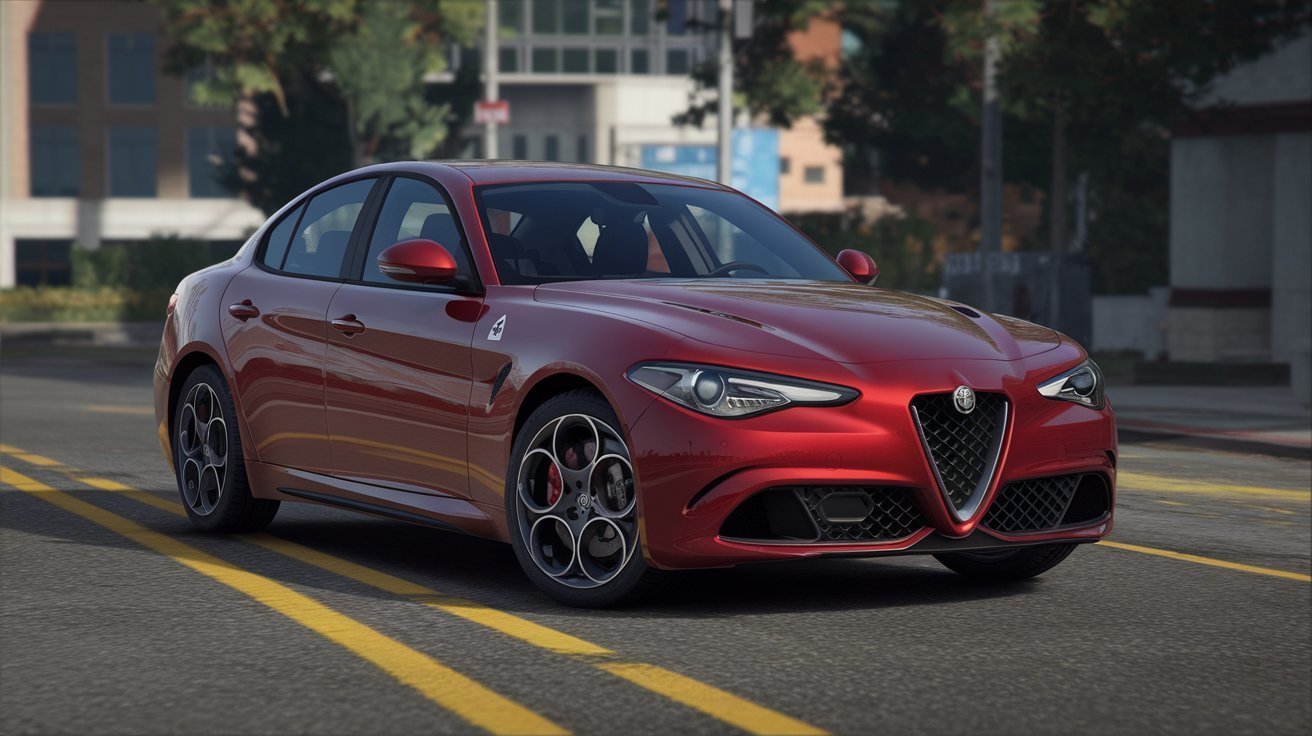
The 2024 Alfa Romeo Giulia is a distinctive Italian sports sedan that combines dramatic styling with sharp handling, turbocharged performance, and a driver-focused chassis. For the 2024 model year, Alfa Romeo updated the Giulia with refreshed lighting, an improved digital instrument display, and other technology changes while retaining the rear-wheel-drive character and available all-wheel-drive configuration that define the model.
The standard Giulia uses a 2.0-liter turbocharged four-cylinder engine producing 280 horsepower and 306 lb-ft of torque, paired with an eight-speed automatic transmission. Buyers can choose rear-wheel drive or all-wheel drive depending on configuration. The high-performance Giulia Quadrifoglio takes performance to another level with a 505-horsepower twin-turbo V6 and rear-wheel drive.
With its low-slung proportions, responsive steering, premium materials, and Italian design, the 2024 Alfa Romeo Giulia remains an interesting alternative to more familiar German luxury sports sedans.
2024 Alfa Romeo Giulia Engine and Performance
The standard 2024 Alfa Romeo Giulia is powered by a turbocharged 2.0-liter four-cylinder engine producing 280 horsepower at 5,200 rpm and 306 lb-ft of torque at 2,000 rpm. An eight-speed automatic transmission sends power to the rear wheels on RWD versions, while available all-wheel drive provides additional traction.
The powertrain gives the Giulia strong acceleration without requiring the much larger engine used in the Quadrifoglio. Independent testing recorded a 5.7-second 0-to-60-mph time for a rear-wheel-drive example and 5.5 seconds for an all-wheel-drive model.
One of the Giulia’s defining characteristics is its chassis rather than simply its horsepower figure. The sedan uses a double-wishbone front suspension and multi-link rear suspension, helping provide the precise responses expected from a sports-oriented luxury car. Its steering is also designed to deliver a direct connection between the driver and the road.
For everyday driving, the Giulia can remain comfortable while still offering the responsiveness that makes winding roads more engaging. Different drive modes allow the driver to adjust the vehicle’s behavior according to driving conditions and preferences.
2024 Giulia Quadrifoglio: The High-Performance Version
The most dramatic version of the 2024 Alfa Romeo Giulia is the Giulia Quadrifoglio. It uses a twin-turbocharged 2.9-liter V6 producing 505 horsepower and 443 lb-ft of torque. An eight-speed automatic transmission sends power exclusively to the rear wheels.
The Quadrifoglio’s performance figures are substantial. Car and Driver recorded a 3.6-second 0-to-60-mph time in testing, while Alfa Romeo lists a top speed of approximately 191 mph. Its combination of a powerful engine, relatively low weight, sophisticated suspension, and quick steering gives it a character that differs significantly from the standard four-cylinder Giulia.
The Quadrifoglio also receives performance-oriented equipment, including larger brakes, performance tires, aerodynamic components, and carbon-fiber details. Its 505-horsepower engine makes it a genuine high-performance sedan rather than simply an appearance-focused trim.
The 2024 model year was particularly significant for the Quadrifoglio because Alfa Romeo ended production of the high-performance Giulia Quadrifoglio and Stelvio Quadrifoglio for the North American market after 2024.
Exterior Design and 2024 Styling Updates
The 2024 Alfa Romeo Giulia received a mild styling update that kept the sedan’s recognizable proportions while introducing several visual changes. The front end received updated lighting, including new LED headlamps, while the rear lighting was also revised. The changes were intended to bring the Giulia’s appearance closer to the design language used on newer Alfa Romeo models.
The Giulia’s proportions remain one of its strongest visual characteristics. Its long hood, short overhangs, low roofline, sculpted sides, and distinctive front grille create a sporty silhouette without requiring excessive exterior decoration.
The Quadrifoglio adds its own visual cues, including larger wheels, performance-oriented body details, and the famous four-leaf clover Quadrifoglio badge.
For 2024, Alfa Romeo also introduced special editions connected with the Quadrifoglio’s 100th anniversary. The limited 100th Anniversario model included exclusive details such as gold brake calipers, special wheels, carbon-fiber components, gold stitching, and commemorative badging.
2024 Alfa Romeo Giulia Interior and Technology
Inside, the 2024 Alfa Romeo Giulia combines a driver-oriented cockpit with Italian styling. The dashboard places the main controls within easy reach of the driver, while the seating position emphasizes the car’s sporting character.
One of the most notable 2024 updates was the introduction of a 12.3-inch digital instrument cluster. The display provides several presentation modes and gives the cabin a more contemporary appearance.
Depending on trim and equipment, the Giulia can include leather upholstery, heated front seats, premium audio equipment, navigation, and various driver-assistance technologies.
The cabin is attractive and purposeful, although rear-seat space is more limited than what some larger luxury sedans provide. The trunk offers approximately 13 cubic feet of cargo capacity, making the Giulia practical enough for everyday use but clearly focused more on driving enjoyment than maximum cargo volume.
The Quadrifoglio adds additional carbon-fiber trim and performance-focused details, creating a more specialized atmosphere inside the cabin.
Fuel Economy, Dimensions, and Everyday Practicality
The standard rear-wheel-drive Giulia has an EPA-estimated 24 mpg city and 33 mpg highway, or 27 mpg combined, according to published specifications. The available all-wheel-drive version has different fuel-economy ratings.
The standard Giulia measures approximately 182.5 inches long, with a 111-inch wheelbase and a width of approximately 73.7 inches without mirrors. Its relatively compact dimensions help make the sedan easier to position on narrow roads and in parking areas than larger luxury vehicles.
The Quadrifoglio is slightly different in equipment and performance but retains the same basic sedan architecture. Its EPA rating is approximately 17 mpg city and 25 mpg highway, reflecting the fuel requirements of its 505-horsepower twin-turbo V6.
For daily use, the standard Giulia offers a useful balance of performance and efficiency, while the Quadrifoglio is much more focused on maximum performance.
Safety and Driver-Assistance Features
The 2024 Giulia includes a selection of driver-assistance and safety technologies, with availability depending on trim and packages. Features can include blind-spot monitoring, parking sensors, adaptive cruise control, lane-keeping assistance, and other systems designed to help the driver monitor traffic and maintain appropriate control.
The available Active Assist Plus package on the Quadrifoglio adds features such as adaptive cruise control with lane-centering capability, along with lane-keeping assistance and driver-attention monitoring.
These systems are designed as driving aids rather than autonomous driving technology. Drivers remain responsible for steering, braking, monitoring the road, and responding appropriately to changing traffic conditions.
2024 Alfa Romeo Giulia Pricing and Model Significance
The 2024 Giulia lineup began in the U.S. with the standard model, while the Quadrifoglio occupied the high-performance end of the range. Car and Driver lists a starting MSRP of $43,285 for a 2024 rear-wheel-drive Giulia specification and an MSRP range of $83,465 to $89,025 for the 2024 Quadrifoglio depending on configuration and special equipment.
The exact transaction price of an individual used 2024 Giulia today can vary substantially according to mileage, condition, location, options, service history, and whether the vehicle is a standard Giulia or Quadrifoglio.
The 2024 model year is particularly notable because it represents the final year of the Quadrifoglio’s 505-horsepower V6 configuration in North America. Alfa Romeo also offered the limited Super Sport edition as a farewell version, with only a small number allocated to the U.S. market.
Final Thoughts on the 2024 Alfa Romeo Giulia
The 2024 Alfa Romeo Giulia stands apart through its combination of Italian styling, responsive handling, turbocharged power, and distinctive cabin design. The standard 2.0-liter model produces 280 horsepower, while the extraordinary Quadrifoglio delivers 505 horsepower from its twin-turbo 2.9-liter V6.
The 2024 refresh adds updated lighting and a 12.3-inch digital gauge display, helping keep the Giulia’s technology current while preserving its established design. Available AWD gives the standard model additional drivetrain flexibility, while the Quadrifoglio remains rear-wheel drive and focuses heavily on performance.
For someone researching a 2024 Alfa Romeo Giulia as a used vehicle in 2026, the most important considerations include the exact trim, engine, drivetrain, maintenance history, mileage, condition, available equipment, and service records. The standard Giulia provides a balance of performance and everyday usability, while the Quadrifoglio represents the final chapter of Alfa Romeo’s 505-horsepower V6 sports sedan in the North American market.
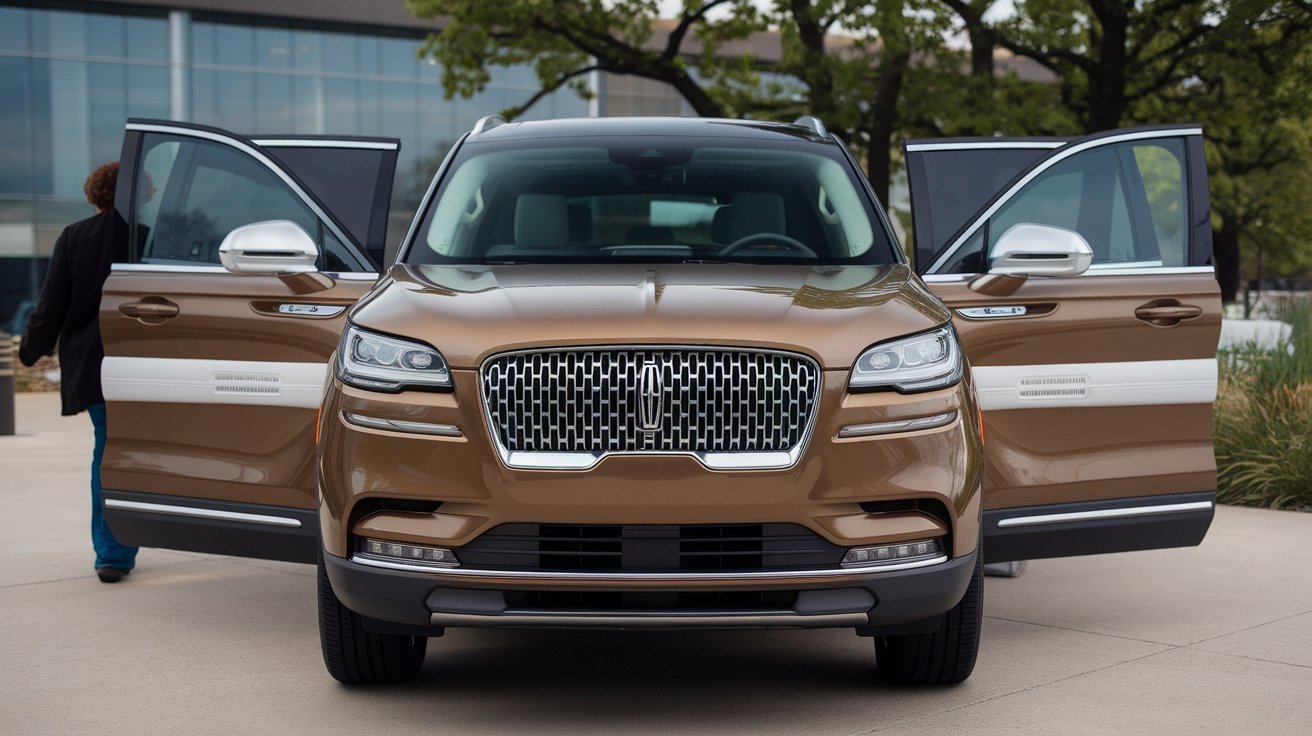
When people search for a Lincoln SUV, they are usually looking for a combination of luxury, comfort, technology, spacious interiors and capable performance. Lincoln, the luxury vehicle division of Ford Motor Company, offers a focused SUV range covering several sizes and uses.
For the 2026 model year, Lincoln’s SUV lineup includes the Lincoln Corsair, Lincoln Nautilus, Lincoln Aviator and Lincoln Navigator. The range starts with the compact Corsair and progresses through two-row and three-row models to the full-size Navigator. Lincoln also offers the extended-length Navigator L.
This variety means shoppers can choose a Lincoln SUV based on passenger capacity, dimensions, power, efficiency, towing requirements and preferred luxury features.
What Lincoln SUVs Are Available in 2026?
The 2026 Lincoln SUV lineup contains four primary models:
- Lincoln Corsair – small luxury SUV with seating for five
- Lincoln Nautilus – two-row midsize luxury SUV with seating for five
- Lincoln Aviator – three-row midsize luxury SUV with seating for up to seven
- Lincoln Navigator – large luxury SUV with seating for up to eight
Lincoln’s own specifications place the models in this size progression: Corsair, Nautilus, Aviator and Navigator. The Corsair measures 181.41 inches long, the Nautilus 193.2 inches, the Aviator 199.7 inches and the Navigator 210 inches. The extended Navigator L reaches 221.9 inches.
This makes the lineup relatively easy to understand. Buyers wanting a smaller urban-friendly luxury SUV can consider the Corsair, while larger families and drivers needing maximum passenger and cargo capacity can move toward the Aviator or Navigator.
2026 Lincoln Corsair: Compact Luxury SUV
The 2026 Lincoln Corsair is the smallest SUV in the lineup. It provides seating for five passengers and is positioned as a small luxury SUV. Lincoln lists a standard turbocharged 2.0-liter engine, while the Corsair Grand Touring offers a 2.5-liter Atkinson-cycle four-cylinder plug-in hybrid powertrain.
The Corsair is also notable for combining luxury-oriented design with available technology such as Lincoln Co-Pilot360 and Lincoln BlueCruise on applicable configurations.
For buyers interested in electrified driving, the Grand Touring plug-in hybrid is particularly important. Lincoln states that this version can achieve an EPA-estimated 33 MPG combined and offers an electric-only range of up to 27 miles, according to its current 2026 information.
With its smaller footprint and five-seat configuration, the Corsair is suited to drivers who want Lincoln styling and comfort without moving into a larger three-row SUV.
2026 Lincoln Nautilus: Midsize Two-Row Luxury
The 2026 Lincoln Nautilus occupies the middle of the range as a two-row midsize luxury SUV. It seats five people and offers a choice between a turbocharged 2.0-liter gasoline engine and an available hybrid powertrain.
The standard gasoline engine produces 250 horsepower, while Lincoln’s available hybrid system produces 285 combined horsepower. Lincoln lists an EPA-estimated 30 MPG combined rating for the hybrid in its current 2026 lineup information.
One of the Nautilus’s most noticeable technology features is its Lincoln Digital Experience, complemented by an 11.1-inch center display. The vehicle is also available with Lincoln’s large panoramic display system, giving the cabin a distinctive technology-focused appearance.
Cargo space is another strength. Lincoln reports up to 71.2 cubic feet of total cargo space behind the first row on Premiere models when the second-row seats are folded. With the second row upright, Premiere models provide 36.4 cubic feet of cargo volume.
The Nautilus is therefore positioned for buyers who want a spacious two-row vehicle without the additional size of a three-row SUV.
2026 Lincoln Aviator: Three-Row Performance
The 2026 Lincoln Aviator is a midsize three-row SUV designed for customers who need more passenger capacity while still wanting strong performance.
It seats up to seven passengers and uses a twin-turbocharged 3.0-liter V6 producing 383 horsepower and 415 lb-ft of torque. Available all-wheel drive provides additional capability, while selectable drive modes allow drivers to adapt the vehicle’s driving characteristics to different conditions.
The Aviator can also tow up to 5,000 pounds when properly equipped, according to Lincoln.
Technology is another major part of the Aviator experience. Available features include Lincoln BlueCruise hands-free highway driving, Lincoln Co-Pilot360 driver-assistance technology and an immersive digital display.
The Aviator’s 199.7-inch length places it between the Nautilus and full-size Navigator. For families that need three rows but do not necessarily want the largest SUV in the segment, its dimensions and seating configuration make it a distinct option within the Lincoln range.
2026 Lincoln Navigator: Full-Size Luxury SUV
At the top of the Lincoln SUV range is the Navigator, a full-size luxury SUV designed around space, capability and premium comfort.
The 2026 Navigator seats up to eight passengers and measures 210 inches long. Lincoln also offers the extended Navigator L, which stretches to 221.9 inches.
The Navigator uses a twin-turbocharged 3.5-liter V6 producing 440 horsepower and 510 lb-ft of torque. When properly equipped, it can tow up to 8,700 pounds, making it the most capable towing model in Lincoln’s 2026 SUV lineup.
The Navigator is also heavily focused on passenger comfort and technology. Its large cabin, three-row seating and premium available configurations make it particularly relevant for larger families and drivers who frequently travel with several passengers.
Lincoln’s flagship SUV also offers Lincoln Black Label configurations, which add curated interior themes, premium materials and additional ownership benefits at participating dealers.
Lincoln SUV Technology and Comfort
Across the 2026 Lincoln SUV lineup, technology plays an important role. Depending on the model and configuration, customers can access features such as Lincoln Digital Experience, Lincoln Co-Pilot360 and BlueCruise.
Lincoln states that BlueCruise hands-free highway driving is available across its four 2026 SUV models, although availability and included periods vary by vehicle and trim. The system is designed to assist with acceleration, braking and lane centering on compatible divided highways while the driver remains responsible for the vehicle.
Luxury is equally important. Available Black Label themes can provide specially curated cabin designs on applicable models, including the Nautilus, Aviator and Navigator.
These features help differentiate the Lincoln SUV family from a basic utility-focused lineup by placing emphasis on the overall passenger experience.
Lincoln SUV Size, Seating and Capability Compared
Understanding the major differences between the four models makes it easier to identify the appropriate type of Lincoln SUV.
| Model | Size | Seating | Key powertrain information |
|---|---|---|---|
| Corsair | Small | 5 | 2.0L turbo or available plug-in hybrid |
| Nautilus | Midsize, 2-row | 5 | 2.0L turbo or available hybrid |
| Aviator | Midsize, 3-row | Up to 7 | 3.0L twin-turbo V6 |
| Navigator | Full-size, 3-row | Up to 8 | 3.5L twin-turbo V6 |
The lineup also differs significantly in towing capability. Lincoln lists maximum capacities of 3,000 pounds for the Corsair with the available tow package, 1,750 pounds for the Nautilus, 5,000 pounds for the Aviator and 8,700 pounds for the Navigator, when properly equipped.
The differences show that the Lincoln SUV range is designed for several types of drivers rather than one specific customer.
Which Lincoln SUV Fits Different Needs?
The right Lincoln SUV depends on what the owner expects from the vehicle.
The Corsair is the compact choice for buyers who want five-seat luxury and an available plug-in hybrid.
The Nautilus provides a larger two-row cabin and an available conventional hybrid, making it an option for drivers who want additional space without three rows.
The Aviator adds a third row and significantly more power, making it suitable for customers who regularly carry more passengers.
The Navigator provides the largest dimensions, up to eight seats and the highest towing capacity in the lineup.
Rather than assuming one model is appropriate for everyone, shoppers should consider passenger requirements, parking space, cargo needs, powertrain preferences, towing requirements and available features before selecting a vehicle.
Final Thoughts on Lincoln SUV Models in 2026
The 2026 Lincoln SUV lineup provides four distinct choices, from the compact Corsair to the full-size Navigator. The Nautilus occupies the two-row midsize segment, while the Aviator provides three-row seating in a midsize package.
Across the range, Lincoln emphasizes luxury, technology, comfort and modern driver-assistance features. Powertrain choices also vary substantially, with electrified options available in the Corsair and Nautilus, while the Aviator and Navigator focus on twin-turbocharged V6 performance.
For 2026, the lineup gives buyers a straightforward way to match SUV size and capability with their individual requirements. Whether the priority is compact luxury, hybrid efficiency, three-row flexibility, towing capacity or full-size comfort, there is a Lincoln SUV designed around that particular combination of needs.
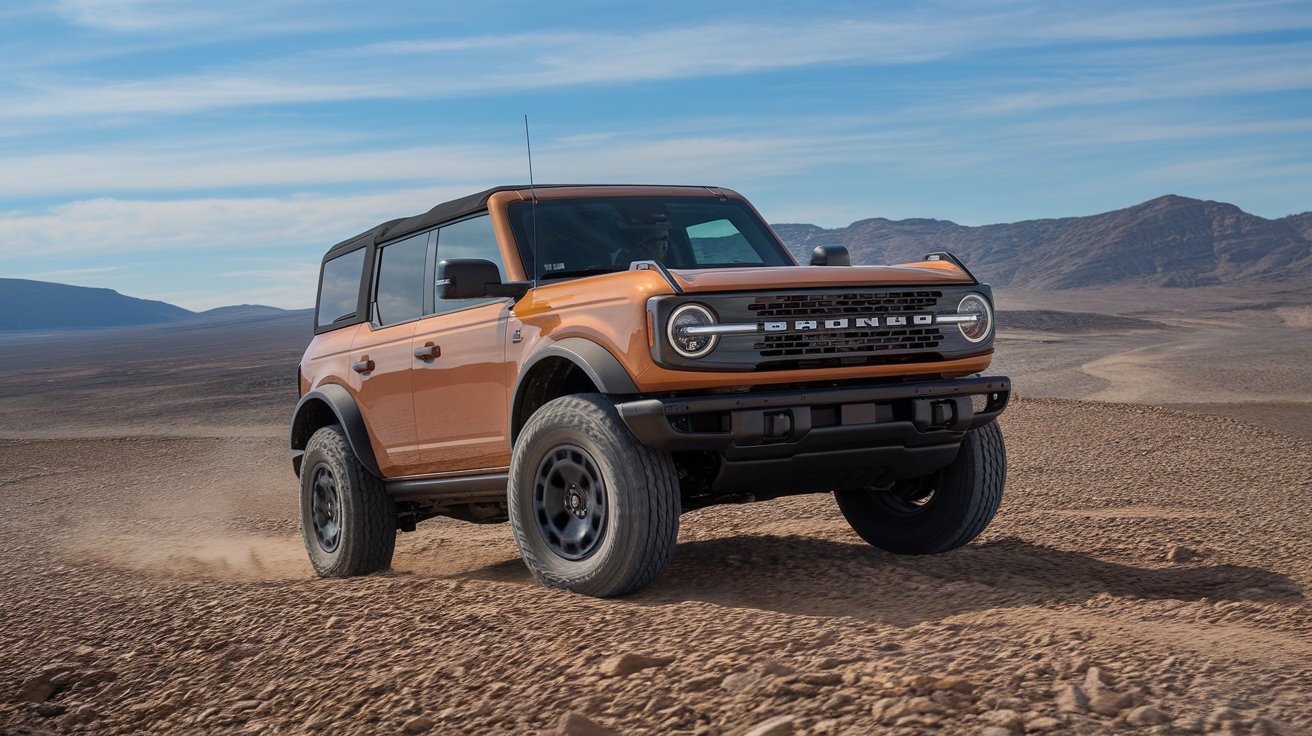
The Ford Bronco off road SUV remains one of the most recognizable choices for drivers looking beyond ordinary paved-road transportation. Designed around traditional four-wheel-drive capability, removable body panels, high ground clearance, terrain-management technology, and a wide range of factory configurations, the Bronco is built to handle trails, rocks, sand, mud, and water crossings.
For 2026, the Bronco lineup continues to offer two-door and four-door configurations, multiple engines, several specialized trims, and technologies designed specifically for off-road driving. Depending on configuration, the Bronco can provide up to 13.1 inches of ground clearance, 37 inches of maximum water-fording capability, and seven G.O.A.T. Modes.
What Makes the Ford Bronco an Off-Road SUV?
The 2026 Ford Bronco is engineered around a four-wheel-drive platform rather than being simply an everyday SUV with an optional traction system. Ford equips the lineup with a range of mechanical and electronic technologies intended to help drivers maintain control on difficult terrain.
One of the Bronco’s defining features is the G.O.A.T. Modes system, with the name meaning “Goes Over Any Type of Terrain.” Depending on the model, drivers can access five or seven selectable modes. Base, Big Bend, Outer Banks, and Heritage Edition models offer Normal, Eco, Sport, Slippery, and Sand modes. Badlands, Stroppe Edition, and Raptor models add specialized Off-Road, Rock Crawl, and Baja settings.
The system changes aspects of the vehicle’s operation to suit different surfaces and driving conditions. For example, Rock Crawl is designed around slow-speed technical terrain, while Baja is intended for high-speed desert-style driving.
This broad range of settings helps explain why the Bronco is offered in numerous configurations rather than as one single off-road specification.
2026 Ford Bronco Engines and Performance
The standard engine for many 2026 Bronco models is Ford’s 2.3-liter EcoBoost four-cylinder, producing 300 horsepower and 325 lb-ft of torque. It can be paired with a seven-speed manual transmission or an available 10-speed automatic, depending on configuration.
The available 2.7-liter EcoBoost V6 increases output to 330 horsepower and 415 lb-ft of torque. This engine is paired with a 10-speed automatic transmission in configurations where it is offered.
At the top of the standard Bronco family is the Bronco Raptor, which uses a 3.0-liter EcoBoost V6 producing 418 horsepower and 440 lb-ft of torque. It is paired with a 10-speed automatic transmission and receives substantially upgraded suspension and off-road hardware.
The engine selection allows buyers to choose between a relatively straightforward four-cylinder configuration and increasingly powerful V6 models. For drivers who spend significant time on challenging trails, the available power and torque can be useful when climbing steep terrain or navigating loose surfaces.
Ford Bronco Sasquatch Package and Trail Hardware
The Sasquatch Package is one of the most important options for shoppers specifically interested in the Ford Bronco off road SUV. It is available on several trims and comes with equipment designed to increase the vehicle’s trail capability.
The package includes 35-inch LT315/70R17 rugged-terrain tires, 17-inch wheels, electronic-locking front and rear axles, a 4.7 final-drive ratio, and high-clearance fender flares. Depending on configuration, the package can also be associated with upgraded HOSS suspension hardware.
With Sasquatch equipment, the Bronco can achieve up to 11.6 inches of ground clearance on a two-door model and 11.5 inches on a four-door model. Ford also lists a maximum water-fording capability of 33.5 inches for applicable Bronco configurations.
The Badlands trim is particularly focused on technical off-roading. It features HOSS 2.0 suspension with Bilstein position-sensitive dampers, a front stabilizer-bar disconnect, steel bash plates, and up to seven G.O.A.T. Modes.
These features are designed to work together. Large tires improve clearance and traction, locking differentials help distribute torque, and suspension articulation helps keep the wheels connected to uneven terrain.
Ford Bronco Raptor: The High-Performance Off-Road Version
The Ford Bronco Raptor takes the off-road concept significantly further. Instead of concentrating solely on slow-speed rock crawling, the Raptor is designed to combine trail capability with high-speed desert performance.
Its 3.0-liter EcoBoost V6 produces 418 horsepower and 440 lb-ft of torque, while the specialized HOSS 4.0 suspension system incorporates FOX Live Valve 3.1 internal-bypass semi-active dampers.
Ford lists 13.1 inches of ground clearance, a 47.2-degree approach angle, a 40.5-degree departure angle, and maximum water fording of 37 inches for the 2026 Bronco Raptor.
The Raptor also features heavy-duty underbody protection and specialized suspension components. Its purpose is not simply to make the Bronco more powerful; the suspension, tires, chassis systems, and electronic controls are developed around demanding off-road use.
For buyers who want a Bronco specifically oriented toward aggressive desert driving and high-performance off-roading, the Raptor represents the most specialized configuration in the lineup.
2026 Ford Bronco Trims for Off-Road Driving
Ford offers the 2026 Bronco in several distinct trims, allowing buyers to choose different combinations of equipment and styling.
The Base model provides the foundation, with the 2.3-liter EcoBoost engine, four-wheel drive, five G.O.A.T. Modes, and an available Sasquatch Package. Ford lists up to 11.6 inches of ground clearance when appropriately equipped.
The Big Bend adds equipment and provides access to options such as the Sasquatch Package and additional comfort features. The Outer Banks places more emphasis on appearance and comfort while retaining Bronco four-wheel-drive capability.
The Badlands is specifically configured around more demanding off-road use. It adds HOSS 2.0 suspension, additional G.O.A.T. Modes, a front stabilizer-bar disconnect, and steel underbody protection.
The Heritage Edition combines retro-inspired design elements with substantial off-road equipment and a standard Sasquatch Package. The Stroppe Edition emphasizes desert-oriented styling and capability, including HOSS 3.0 suspension with FOX internal-bypass dampers.
Finally, the Raptor provides the most powerful engine and highest published ground clearance in the 2026 Bronco range.
Bronco Trail Technology and Practical Off-Road Features
Mechanical hardware is only part of the Bronco’s off-road package. Ford also offers several electronic systems designed to make difficult trails easier to manage.
Trail Control functions as a form of low-speed cruise control for off-road situations, helping maintain a selected speed while the driver concentrates on steering. Ford’s 2026 technical specifications list Trail Control with the 10-speed automatic transmission across Bronco models. Trail 1-Pedal Drive is also included with the 10-speed automatic.
The Bronco can also be equipped with Trail Turn Assist, which helps reduce turning radius during tight off-road maneuvers by applying braking intervention to an inside rear wheel. Ford lists the feature on configurations with the 10-speed automatic and 2.7-liter or 3.0-liter engines.
The vehicle’s modular design is another major characteristic. Depending on configuration, Bronco components include removable doors and roof panels, while available rock rails and underbody protection provide additional support for trail use.
Ford Bronco Off Road SUV Ground Clearance and Water Fording
Ground clearance and approach, breakover, and departure angles are crucial when evaluating an off-road SUV. A vehicle with greater clearance is better positioned to pass over obstacles without contacting its underbody.
The 2026 Bronco provides up to 11.6 inches of ground clearance in certain Sasquatch configurations. The Badlands reaches 10.5 inches without Sasquatch, while the Raptor reaches 13.1 inches.
The standard two-door Bronco has a listed approach angle of 35.7 degrees, while a Sasquatch-equipped two-door can reach 43.3 degrees. The Raptor increases the figure to 47.2 degrees.
Water-fording capability is another important specification. Ford lists a maximum of 33.5 inches for many Bronco configurations and 37 inches for the Raptor. These figures are manufacturer specifications, and real-world water crossings should always be approached cautiously because depth, current, surface conditions, and local restrictions can vary.
Is the 2026 Ford Bronco a Serious Off-Road SUV?
The 2026 Ford Bronco off road SUV combines traditional four-wheel-drive hardware with modern electronic trail technology and several specialized configurations. Buyers can choose a two-door or four-door body, different engines, manual or automatic transmissions where available, and packages such as Sasquatch.
The lineup ranges from the versatile Base model to the highly specialized Badlands, Stroppe Edition, and Bronco Raptor. The Raptor’s 418-horsepower V6, HOSS 4.0 suspension, 13.1-inch ground clearance, and 37-inch water-fording rating demonstrate how far the Bronco platform can be developed for demanding terrain.
For everyday buyers, the key is matching the configuration to the intended use. A standard Bronco can provide substantial four-wheel-drive capability, while the Sasquatch Package adds larger tires and locking differentials. The Badlands focuses heavily on technical trail driving, and the Raptor adds high-speed performance to its off-road credentials.
With its G.O.A.T. Modes, HOSS suspension systems, Trail Control, available locking axles, removable components, high ground clearance, and broad trim selection, the 2026 Ford Bronco remains purpose-built around off-road driving while retaining the practicality expected from a modern SUV.

ASCA National Model: A Complete Guide to the School Counseling Framework in 2026

2024 Alfa Romeo Giulia: Performance, Interior, Features, Trims, and Specifications

Lincoln SUV: Complete 2026 Guide to the Luxury SUV Lineup

Is It Goodmorning or Good Morning? The Correct Spelling, Grammar Rules, Examples, and Common Mistakes

Sarah Ziolkowska: Biography, Career, Marriage, Divorce, and Life After Fame

Lucas’s: The Correct Possessive Form, Grammar Rules, Examples, and Common Mistakes
 Education2 months ago
Is It Goodmorning or Good Morning? The Correct Spelling, Grammar Rules, Examples, and Common Mistakes
- News3 months ago
Sarah Ziolkowska: Biography, Career, Marriage, Divorce, and Life After Fame
- Education2 months ago
Lucas’s: The Correct Possessive Form, Grammar Rules, Examples, and Common Mistakes
- celebrity3 months ago
Otelia Cox: Biography, Career, Personal Life, Achievements, and Lasting Legacy
- Tech2 months ago
// turbogeek.org: Your Complete Guide to Technology, Innovation, and Digital Knowledge
- celebrity3 months ago
Jasper Breckenridge Johnson: Biography, Family Background, Career, and Interesting Facts
- Health2 months ago
Adenoidid: Understanding Adenoid Conditions, Symptoms, Causes, Treatment, and Prevention
- Entertainment2 months ago
Czech Hunter: Complete Guide, Background, Content Overview, and Online Popularity in 2026