
Blog
2026 Chevrolet Trailblazer: Complete Guide, Specs, Features, and Review

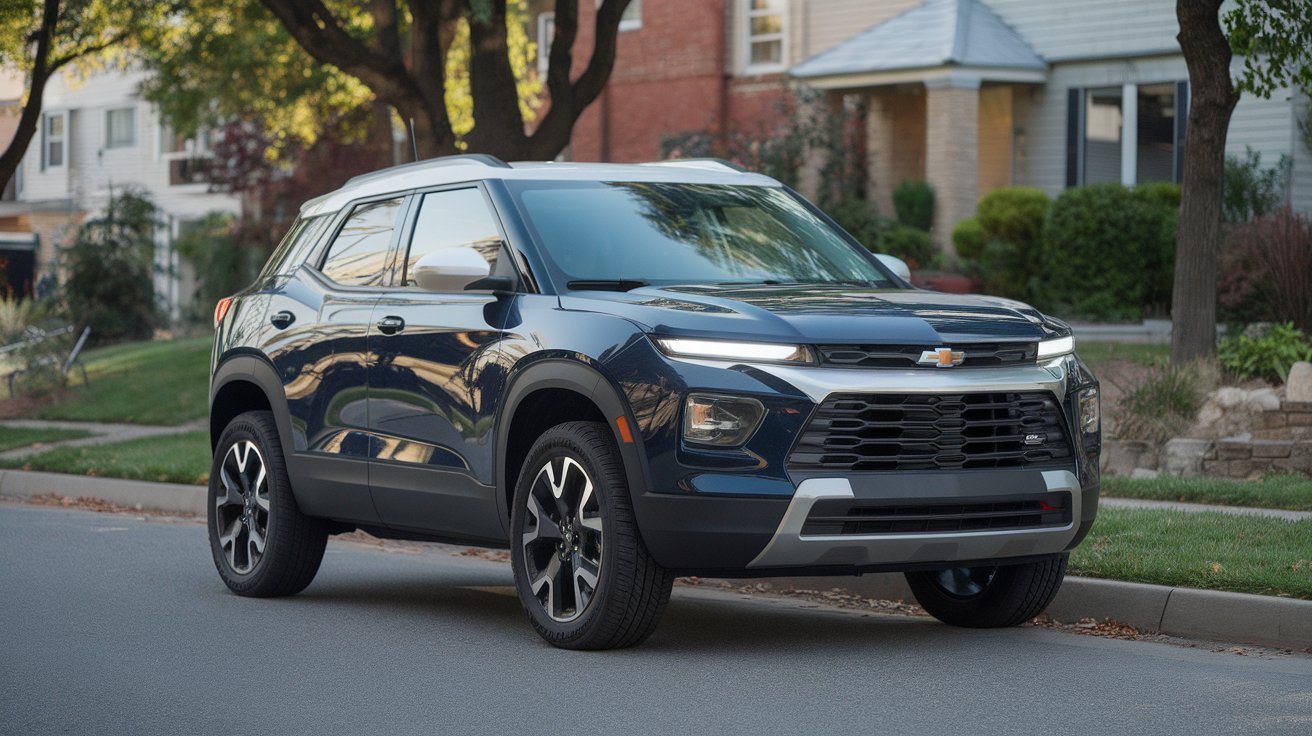
The 2026 Chevrolet Trailblazer is a compact SUV designed to combine everyday practicality, modern technology, efficient turbocharged engines, and available all-wheel drive in a relatively small package. Chevrolet positions the Trailblazer below larger SUVs such as the Blazer, making it a practical option for drivers who want an SUV that is easy to maneuver while still providing useful passenger and cargo space. For 2026, the Trailblazer continues with a choice of turbocharged three-cylinder engines, several trim levels, modern infotainment technology, and a standard collection of driver-assistance features.
2026 Chevrolet Trailblazer Overview
The 2026 Chevy Trailblazer is a five-passenger small SUV available in several trims, including LS, LT, ACTIV, and RS. Its relatively compact dimensions make it suitable for city driving, commuting, family errands, and weekend trips. Chevrolet lists the Trailblazer at about 174 inches long, 71 inches wide, and roughly 64–66 inches tall depending on configuration.
Pricing varies by trim and equipment. Chevrolet’s current U.S. listing shows the Trailblazer starting at approximately $23,300, while the LT, ACTIV, and RS trims add equipment and features as the price increases. Prices can change depending on destination charges, options, taxes, and dealer pricing, so buyers should verify the final price for a specific vehicle.
The Trailblazer’s appeal comes from its balance. It is larger and more versatile than a traditional small hatchback but remains considerably easier to maneuver than a full-size SUV. That makes it particularly relevant for drivers who prioritize practicality, fuel efficiency, technology, and everyday usability.
Engine and Performance of the 2026 Trailblazer
The 2026 Trailblazer uses turbocharged three-cylinder engines rather than a larger four-cylinder engine. The standard powertrain is a 1.2-liter turbocharged three-cylinder producing 137 horsepower and 162 lb-ft of torque. Chevrolet also offers a 1.3-liter turbocharged three-cylinder that produces 155 horsepower and 174 lb-ft of torque.
The larger 1.3-liter engine is particularly important for buyers considering the ACTIV or RS trims. These versions are designed to provide a more responsive driving experience, and the ACTIV adds off-road-oriented suspension tuning and a functional skid plate. The 1.3-liter engine is also associated with available all-wheel drive, giving buyers an option for additional traction in appropriate road conditions.
Front-wheel-drive models use a continuously variable transmission (CVT) with the 1.2-liter engine. Performance is not the main purpose of the Trailblazer; instead, the vehicle emphasizes efficient transportation and practical everyday driving. Independent testing has also described acceleration as relaxed rather than sporty, which is consistent with the Trailblazer’s role as a small family and commuter SUV.
Fuel Economy, AWD, and Towing Capability
One of the strongest reasons to consider the 2026 Chevrolet Trailblazer is its fuel economy. Chevrolet states that the available 1.3-liter turbo with front-wheel drive can achieve an EPA-estimated 31 mpg combined, while published EPA figures vary according to engine and drivetrain. The 1.2-liter front-wheel-drive configuration is also rated around 30 mpg combined, with approximately 30 mpg city and 31 mpg highway according to EPA figures cited by automotive sources.
Choosing AWD provides additional traction but can reduce fuel economy. The Trailblazer’s AWD system is available with the larger 1.3-liter engine, making this configuration attractive to drivers who value traction more than maximum fuel efficiency.
The Trailblazer is not intended to be a heavy-duty towing vehicle. Chevrolet rates it for up to 1,000 pounds of towing capacity when properly equipped. This is sufficient for certain light recreational or utility applications, but buyers who regularly need to tow heavier loads should consider a larger SUV or truck designed for that purpose.
Interior, Cargo Space, and Comfort
Inside, the 2026 Trailblazer focuses on practical space and useful technology. Chevrolet says the SUV can seat up to five people, while the rear seat uses a 40/60 split-folding design to provide additional cargo flexibility. The standard fold-flat front passenger seat can also allow a maximum cargo length of approximately 8.5 feet under the appropriate configuration.
Cargo capacity is an important advantage for a small SUV. Published specifications list approximately 54.4 cubic feet of maximum cargo volume with the appropriate seating configuration. This allows the Trailblazer to handle groceries, school or work equipment, luggage, and other everyday items without requiring a much larger vehicle.
Higher trims can add convenience and comfort features, while available equipment includes a hands-free power liftgate, wireless charging, and an available Bose audio system. These features help make the Trailblazer feel more sophisticated without moving it into the price range of a larger luxury SUV.
Technology and Infotainment Features
Technology is another major part of the 2026 Trailblazer experience. Chevrolet provides an 11-inch diagonal HD color touchscreen as standard equipment, along with an 8-inch driver information display on the standard configuration. The system supports wireless Apple CarPlay and wireless Android Auto, allowing compatible smartphones to connect without requiring a traditional cable connection for basic integration.
The Trailblazer also offers features such as push-button start, available wireless phone charging, and an available premium Bose sound system. Depending on trim and options, buyers can select additional convenience features that make the SUV better suited to longer journeys and daily commuting.
The four-trim lineup gives buyers different approaches. The LS focuses on value, the LT adds convenience features, the ACTIV emphasizes a more rugged character and equipment, and the RS provides a sportier appearance. This makes it easier to choose a Trailblazer according to budget and priorities rather than having only one configuration.
Safety Features in the 2026 Chevrolet Trailblazer
Safety is a major part of the 2026 Trailblazer package. Chevrolet includes Chevy Safety Assist as standard, with a collection of driver-assistance technologies designed to provide additional awareness and assistance during everyday driving. Standard features include Forward Collision Alert, Automatic Emergency Braking, Front Pedestrian Braking, Lane Keep Assist with Lane Departure Warning, Following Distance Indicator, and IntelliBeam automatic high beams.
The Trailblazer also includes a rear vision camera, 10 airbags, Teen Driver technology, and Rear Seat Reminder as standard equipment. Depending on configuration, buyers can add technologies such as Adaptive Cruise Control, Lane Change Alert with Side Blind Zone Alert, Rear Cross Traffic Alert, and Rear Park Assist.
These features do not replace attentive driving, but they can provide useful additional information and assistance. Buyers should always check the exact equipment list for the particular trim and model they are considering because availability can vary.
Is the 2026 Chevrolet Trailblazer a Good SUV?
The 2026 Chevrolet Trailblazer makes a strong case for buyers looking for an affordable compact SUV with modern technology and practical everyday capability. Its biggest strengths include its relatively accessible starting price, good fuel economy, five-passenger seating, flexible cargo area, available AWD, and extensive standard driver-assistance equipment.
The 1.2-liter turbo is aimed at efficient everyday transportation, while the available 1.3-liter turbo offers more power and is the engine to consider when AWD or the higher ACTIV and RS trims are priorities. The vehicle’s 1,000-pound towing rating means it should be viewed primarily as a commuter and family SUV rather than a serious towing machine.
Overall, the 2026 Chevy Trailblazer is a well-rounded choice for drivers who want a small SUV with useful interior space, modern connectivity, available all-wheel drive, and a strong emphasis on everyday efficiency. It does not attempt to replace a large SUV or performance vehicle. Instead, it succeeds by offering a practical combination of size, technology, fuel economy, safety features, and versatility at a relatively accessible price point.
Conclusion
The 2026 Chevrolet Trailblazer continues to be an appealing small SUV for everyday driving. With its turbocharged engines, available AWD, five-seat interior, flexible cargo space, large touchscreen, smartphone integration, and standard Chevy Safety Assist technologies, it offers a broad range of useful features. For buyers who want an efficient and practical SUV without moving into a larger vehicle, the 2026 Trailblazer deserves serious consideration.

The BMW S1000RR is one of the most recognizable high-performance superbikes in the world, combining powerful engine performance, advanced electronics, aerodynamic styling, and racing-inspired engineering. Developed by BMW Motorrad, this motorcycle brings technology from competitive motorcycle racing into a road-legal machine designed for experienced riders who demand speed, precision, and control.
Since its introduction in 2009, the BMW S1000RR has evolved through multiple generations, gaining improvements in engine performance, chassis dynamics, electronic rider assistance, and aerodynamic efficiency. Its distinctive design and strong performance have made it a major competitor to superbikes from manufacturers such as Ducati, Yamaha, Kawasaki, and Honda.
For motorcycle enthusiasts researching the BMW S1000RR price in 2026, top speed, horsepower, engine specifications, fuel economy, features, and riding experience, understanding the motorcycle’s capabilities is essential. The S1000RR is designed primarily for high-performance riding, with technology that can support road use as well as track-day activities. However, its substantial power and aggressive ergonomics mean that it is best suited to riders with appropriate experience.
BMW S1000RR 2026 Specifications and Engine Performance
The 2026 BMW S1000RR is powered by a 999cc inline-four-cylinder engine featuring BMW ShiftCam technology, which varies intake valve timing and lift to help deliver strong performance across the engine’s operating range. The US-market model is rated at 205 horsepower at 13,000 rpm and 83 lb-ft of torque at 11,000 rpm. These figures make it a serious competitor in the liter-class superbike segment.
| Specification | 2026 BMW S1000RR |
|---|---|
| Engine | 999cc inline-four |
| Maximum power | 205 hp at 13,000 rpm |
| Maximum torque | 83 lb-ft at 11,000 rpm |
| Transmission | 6-speed manual |
| Fuel system | Electronic fuel injection |
| Fuel tank | Approximately 16.5 litres |
| Seat height | Approximately 830 mm |
| Top speed | Approximately 303 km/h (188 mph) |
| Wet weight | Approximately 198 kg |
| Front brakes | Dual 320 mm discs |
Specifications may vary by market, equipment package, and model configuration. Figures are based on BMW Motorrad’s published technical information.
The engine’s high-revving character is central to the S1000RR’s appeal. Riders receive rapid acceleration and substantial power at high engine speeds, while the six-speed gearbox and available Shift Assistant Pro support quick gear changes. The motorcycle’s slipper clutch also helps manage rear-wheel behavior during aggressive downshifting.
For experienced riders, this combination creates an engaging performance experience on a closed circuit. On public roads, however, the engine’s capabilities exceed what is legally or safely usable in many situations. Smooth throttle control and appropriate training are essential.
BMW S1000RR Top Speed, Acceleration, and Handling
Its aluminum frame, adjustable suspension, and sport-focused geometry are designed to deliver accurate steering and stability at high speeds. The chassis is intended to give riders clear feedback when changing direction, braking, and accelerating out of corners. The result is a motorcycle designed for demanding road riding and track-day use.
Braking performance is equally important. The S1000RR uses twin front brake discs with four-piston calipers and a rear disc brake. BMW Motorrad ABS Pro helps manage braking in different riding conditions, while the precise setup of the brakes and suspension supports controlled deceleration.
Aerodynamics also play a major role in the latest design. M winglets and revised bodywork help generate additional downforce at speed, supporting front-wheel stability. BMW has also incorporated M Brake Ducts into the front mudguard on relevant configurations to help cool the brake calipers during demanding track sessions.
These features make the S1000RR especially appealing to riders who value precision as much as outright speed. Nevertheless, its top-speed potential should be explored only in a controlled environment, such as a properly managed racetrack.
BMW S1000RR Features, Electronics, and Design
Modern superbikes depend on electronic systems as much as engine performance, and the BMW S1000RR offers a sophisticated package of rider-assistance technology. Its equipment includes Dynamic Traction Control, ABS Pro, selectable riding modes, wheelie control, and engine-braking management, with the precise functions depending on the model and package.
The available Riding Modes Pro system adds further customization, including Race Pro settings for riders who want to adjust the motorcycle’s behavior for track conditions. Hill Start Control Pro can assist when moving off on inclines, while launch-control and pit-lane functions are designed for specific performance-oriented situations.
The motorcycle also features a 6.5-inch TFT color display with connectivity functions, LED lighting, and a quick-action throttle. The screen presents important riding information clearly, while the electronic systems help riders adapt the bike to changing conditions. These technologies assist the rider but cannot replace judgment, skill, or safe riding practices.
Visually, the S1000RR combines sharp bodywork, aerodynamic winglets, a compact tail section, and distinctive BMW styling. Available colors and finishes vary by market, with options such as Black Storm Metallic, Bluestone Metallic, and M Motorsport-inspired finishes listed for relevant versions.
BMW S1000RR Price in 2026 and Buying Considerations
The price of the BMW S1000RR depends on the country, taxes, dealer charges, and selected packages. In the United States, BMW’s published 2026 starting MSRP is $19,895, excluding applicable destination charges, taxes, title, and registration. Optional equipment and packages can increase the final price substantially.
In Pakistan, the final cost can differ considerably because of import duties, registration expenses, currency fluctuations, and the availability of locally stocked motorcycles. Buyers should request a current written quotation from an authorized dealer or reputable importer rather than relying on an international MSRP as the local purchase price.
Before purchasing, consider the cost of insurance, premium fuel, tires, scheduled servicing, replacement brake components, and protective riding equipment. High-performance motorcycle tires can wear quickly when used aggressively, and specialist parts may be expensive or require additional delivery time.
A used S1000RR can offer a lower entry price, but a thorough inspection is essential. Check service records, accident history, tire condition, chain and sprockets, brake wear, and any modifications. Motorcycles previously used extensively on track deserve particular scrutiny.
Is the BMW S1000RR Worth Buying in 2026?
The BMW S1000RR is an excellent option for experienced riders seeking a technologically advanced, high-performance superbike. Its powerful engine, adjustable chassis, advanced electronics, and aerodynamic improvements make it attractive to enthusiasts who prioritize speed, responsive handling, and track capability.
However, it is not necessarily the best choice for every motorcyclist. The aggressive riding position can become uncomfortable during long journeys, maintenance and running costs can be high, and the engine demands careful throttle control. New riders should generally develop their skills on a less powerful motorcycle before considering a machine in this class.
For riders comparing the S1000RR with the Ducati Panigale V4, Yamaha YZF-R1, Kawasaki Ninja ZX-10R, or Honda CBR1000RR-R Fireblade, the best choice depends on budget, local service availability, ergonomics, intended use, and personal riding preferences.
Ultimately, the BMW S1000RR stands out as a sophisticated liter-class superbike that combines serious performance with modern electronic assistance. Its appeal lies not simply in its horsepower or top speed, but in the engineering that helps experienced riders use its performance more precisely.
Frequently Asked Questions About the BMW S1000RR
What is the top speed of the BMW S1000RR?
BMW lists a maximum speed of approximately 303 km/h (188 mph) for the relevant model specification.
How much horsepower does the 2026 BMW S1000RR produce?
The US-market specification produces 205 horsepower at 13,000 rpm. Output figures can differ by market or model configuration.
What is the price of the BMW S1000RR in 2026?
The US starting MSRP is listed at $19,895, before destination charges and taxes. Local pricing varies by country and specification.
Is the BMW S1000RR suitable for beginners?
Generally, it is better suited to experienced riders. Its high power, rapid acceleration, and specialized riding position require strong motorcycle-control skills.
What engine does the BMW S1000RR use?
It uses a 999cc, four-cylinder engine with BMW ShiftCam technology and a six-speed transmission.
Conclusion
The 2026 BMW S1000RR combines superbike performance, racing-inspired aerodynamics, advanced electronics, and precise handling in a road-legal motorcycle. With 205 horsepower in the US specification, a published top speed of approximately 303 km/h, and a comprehensive suite of rider-assistance technologies, it remains a compelling choice for serious motorcycle enthusiasts.
For buyers, the most important considerations are experience, budget, servicing costs, and intended use. For riders who can responsibly manage its performance, the BMW S1000RR offers an impressive combination of engineering, technology, and track-focused capability.

The 2026 GMC Yukon is a full-size SUV designed for drivers who want powerful performance, generous passenger space, modern technology, and premium comfort in one vehicle. With three rows of seating, multiple engine options, available four-wheel drive, and a broad range of trim levels, the Yukon serves families, road-trip enthusiasts, and buyers who need a capable vehicle for towing and everyday transportation.
For 2026, GMC continues the Yukon lineup in standard-length and extended-length Yukon XL versions. The range spans the practical Elevation trim, the off-road-oriented AT4 models, and the luxurious Denali versions. Depending on configuration, buyers can choose a V8 gasoline engine or an available Duramax turbo-diesel engine, along with technology features designed to improve convenience and driving confidence.
2026 GMC Yukon Price and Available Trim Levels
The 2026 GMC Yukon is available in five main trims: Elevation, AT4, AT4 Ultimate, Denali, and Denali Ultimate. Each version offers a different balance of performance, luxury, technology, and off-road capability.
According to GMC’s published model information, the starting MSRP for the 2026 Yukon Elevation is approximately $69,600, before applicable destination charges, taxes, and options. Prices vary by trim, drivetrain, and equipment. <Cite refs={[“turn105680search0″,”turn105680search8”]}/>
- Elevation: The entry-level model offers a substantial feature set, three-row practicality, and a choice of configurations.
- AT4: Designed for outdoor adventures, this trim emphasizes four-wheel-drive capability, rugged styling, and off-road-oriented equipment.
- AT4 Ultimate: Combines trail-focused features with upscale materials, advanced suspension technology, and additional comfort features.
- Denali: Adds premium interior finishes, upgraded technology, and a more luxurious driving experience.
- Denali Ultimate: The range-topping model delivers an especially luxurious cabin, premium audio, advanced driver assistance options, and additional comfort amenities.
The extended-wheelbase Yukon XL is also available for buyers who prioritize cargo capacity and additional interior space.
When comparing prices, buyers should distinguish between the manufacturer’s suggested retail price and the final dealership price. Destination fees, optional packages, dealer charges, taxes, and registration can increase the total cost. Always confirm the exact configuration and current pricing before purchasing.
Engine Options, Performance, and Towing Capacity
One of the biggest attractions of the 2026 GMC Yukon is its selection of powerful engines. The lineup offers gasoline V8 engines and an available turbo-diesel option, allowing buyers to prioritize traditional V8 performance or diesel torque and efficiency.
The principal powertrain options include:
| Engine | Approximate output |
|---|---|
| 5.3-liter V8 | 355 horsepower |
| 6.2-liter V8 | 420 horsepower |
| 3.0-liter Duramax turbo-diesel | 305 horsepower |
All three engines are paired with a 10-speed automatic transmission. Rear-wheel drive is available on selected configurations, while four-wheel drive is offered or standard depending on the trim. <Cite refs={[“turn105680search2″,”turn105680search6”]}/>
The 5.3-liter V8 is a practical choice for drivers who want traditional full-size SUV performance. The 6.2-liter V8 provides stronger acceleration and additional horsepower, making it attractive to buyers who prioritize performance. The Duramax diesel delivers substantial torque and may be particularly appealing for long-distance driving and towing.
When properly equipped, the Yukon can tow up to approximately 8,400 pounds, although the actual maximum depends on the engine, drivetrain, equipment, and configuration. Drivers should consult the specific vehicle’s towing documentation and account for passenger weight, cargo, and trailer loading.
Fuel consumption is another important consideration. A large, heavy SUV with a gasoline V8 generally consumes more fuel than a smaller vehicle. The available diesel can improve efficiency in certain configurations, but real-world results depend on driving conditions, load, traffic, and maintenance.
Interior Comfort, Technology, and Safety Features
Inside, the 2026 GMC Yukon combines generous passenger space with modern infotainment and convenience features. Its three-row layout makes it suitable for larger families, while selected configurations provide seating for up to eight passengers. Some versions use second-row captain’s chairs, changing the seating capacity and cabin layout. <Cite refs={[“turn105680search0″,”turn105680search6”]}/>
The cabin includes a large 16.8-inch infotainment touchscreen with Google built-in compatibility. Depending on configuration, drivers can access connected navigation features, voice assistance, entertainment, and smartphone integration. A digital driver display helps present essential vehicle information, while available premium audio systems enhance the cabin experience.
Higher-end trims add more luxurious materials and comfort equipment. Depending on the model, features can include heated and ventilated seating, a panoramic sunroof, a power-sliding center console, and massaging front seats. The Denali Ultimate offers particularly upscale amenities, including an available executive second-row seating package.
Driver assistance technology is another important part of the package. Available features include Super Cruise hands-free driver assistance technology, while the broader safety suite can include automatic emergency braking, forward collision alerts, lane-related assistance, blind-spot monitoring, and surround-view camera systems. Equipment varies by trim and package, and these systems do not replace attentive driving.
GMC Yukon XL, AT4, and Denali: Which Model Is Best?
Choosing the right Yukon depends on how the vehicle will be used.
The Yukon XL is the extended-length version. Its additional body length provides greater cargo flexibility, making it a strong option for families who regularly travel with luggage, sports equipment, or other bulky items.
The Yukon AT4 is better suited to drivers who want a more adventure-oriented SUV. Its off-road-focused styling, available protective hardware, and four-wheel-drive capability make it more appropriate for selected rough-road conditions than a luxury-focused configuration. However, it remains a large vehicle, so challenging trails require careful attention to ground clearance, tire capability, and vehicle dimensions.
The Yukon Denali emphasizes refinement and comfort. Its upgraded cabin materials, technology, and premium equipment appeal to buyers who want a sophisticated full-size SUV for family travel and everyday driving.
The Denali Ultimate sits at the top of the range, emphasizing luxury, advanced features, and additional comfort amenities.
Before deciding, compare passenger seating, cargo requirements, engine preference, fuel costs, parking space, and the type of driving you expect to do most often.
Is the 2026 GMC Yukon Worth Buying?
The 2026 GMC Yukon is worth considering if you need a spacious three-row SUV with strong towing capability, multiple powertrain choices, and a premium interior. Its greatest strengths are its passenger capacity, available diesel engine, substantial towing potential, and broad selection of trims.
However, its size and purchase price deserve careful consideration. Parking in tight spaces can be challenging, and fuel costs may be substantial, particularly with a gasoline V8. Higher trims can also become expensive once optional equipment and destination charges are included.
Buyers should compare the Yukon with alternatives such as the Chevrolet Tahoe, Chevrolet Suburban, Ford Expedition, and other large SUVs. The Tahoe and Suburban share important mechanical elements with the Yukon but offer different styling, trim strategies, and pricing. Test-driving competing models can help identify which vehicle best matches your priorities.
Conclusion: A Powerful and Spacious Full-Size SUV
The 2026 GMC Yukon combines traditional SUV capability with modern comfort, technology, and premium design. From the practical Elevation to the adventure-oriented AT4 and luxurious Denali Ultimate, the lineup provides options for different driving needs and budgets.
Its V8 and Duramax diesel engines, available four-wheel drive, three-row seating, and substantial towing capacity make it a versatile choice for families and drivers who need more space and capability than a typical crossover provides.
Before buying, compare trim levels, verify current pricing, calculate ownership costs, and select the engine and body style that fit your needs. With the right configuration, the GMC Yukon can deliver a compelling combination of space, performance, comfort, and everyday versatility.

A loose doorknob is a common household problem that can make opening and closing a door frustrating. The handle may wobble, rotate without engaging the latch properly, or feel as though it could come off completely. Fortunately, most loose doorknobs can be repaired with a few basic tools and a little patience. In many cases, tightening a couple of screws is enough to restore the handle’s stability.
Before replacing the entire door handle, we should identify what is causing the looseness. The problem might come from loose mounting screws, a worn spindle, a misaligned latch mechanism, or a damaged internal component. Understanding the cause helps us choose the correct repair and avoid unnecessary expenses.
This guide explains how to fix a loose doorknob, identify different handle designs, tighten concealed screws, repair common mechanical problems, and determine when replacement is the better option. These steps apply to many standard interior and exterior door handles, although the exact procedure can vary by manufacturer and model.
1. Identify Why the Doorknob Is Loose
Before reaching for a screwdriver, we should examine the handle and determine how it moves. Different symptoms can indicate different mechanical problems, so identifying the source of the looseness is the first step toward a lasting repair.
Loose mounting screws are among the most common causes. Most doorknobs are attached to the door with screws that secure the handle assembly and its mounting plate. Repeated turning, pulling, and pushing can gradually loosen these fasteners, allowing the handle to wobble.
Another possibility is a loose set screw. Some lever handles and round knobs attach to a spindle using a small screw located near the base of the handle. If this screw loosens, the handle may rotate independently of the spindle or slide outward from the door.
A worn or damaged spindle can also cause problems. The spindle is the metal rod that transfers rotational movement from the handle to the latch mechanism. If it becomes bent, excessively worn, or improperly seated, the handle may feel loose even when the mounting screws are tight.
We should also check the latch. If the knob turns freely but the latch does not retract reliably, the problem may involve the internal mechanism rather than the mounting hardware. A damaged spring, worn internal fitting, or misaligned latch can produce similar symptoms.
Finally, inspect the door around the mounting points. Cracked wood, stripped screw holes, or damaged hardware can prevent screws from holding securely. Tightening a screw repeatedly will not solve a stripped hole or broken component.
2. Gather the Tools Needed to Fix a Loose Doorknob
Most basic doorknob repairs require only a small collection of household tools. Preparing everything beforehand helps us work efficiently and reduces the risk of damaging the handle’s finish.
Commonly useful tools include:
- Phillips screwdriver for cross-head mounting screws.
- Flathead screwdriver for slotted screws and certain retaining clips.
- Allen key or hex wrench for handles with hexagonal set screws.
- Flashlight for inspecting concealed fasteners.
- Small container for keeping screws and other hardware together.
- Soft cloth to protect the handle’s finish and clean away dust.
We should use the correct screwdriver size whenever possible. A poorly fitting tool can strip the screw head, making removal or tightening more difficult. Avoid using excessive force, especially when working with decorative handles or older hardware.
For most repairs, we do not need to remove the entire door or take apart the lock mechanism. We should begin with the least invasive adjustment and proceed only when the initial repair does not solve the problem.
If the doorknob includes a keyed lock, electronic components, or a specialized security mechanism, consult the manufacturer’s instructions before disassembly. For an exterior door, make sure the door remains secure and that we do not accidentally lock ourselves out.
3. How to Tighten a Loose Doorknob With Visible Screws
If the doorknob has visible mounting screws, tightening them is usually the easiest repair. These screws are often located on the interior side of the door, around the handle’s mounting plate or rose.
Step 1: Locate the mounting screws. Examine the base of the handle for one or more screws. Depending on the design, they may be positioned on the face of the mounting plate or underneath the handle.
Step 2: Support the handle. Hold the knob or lever steady with one hand while using the screwdriver with the other. This prevents the assembly from shifting as we adjust the screws.
Step 3: Tighten the screws gradually. Turn each screw clockwise in small increments. If the handle uses two mounting screws, tighten them alternately so the plate remains evenly seated against the door.
Step 4: Check the alignment. The mounting plate should sit flat against the door, and the handle should not wobble. Avoid overtightening because excessive pressure can damage the door surface, distort the mounting plate, or strip the screw threads.
Step 5: Test the handle. Turn the knob or press the lever several times. Confirm that it moves smoothly, returns to its normal position when designed to do so, and retracts the latch correctly.
If the screws turn without tightening, the screw holes may be stripped, the fasteners may be too short, or an internal mounting component may be damaged. We should identify the cause instead of forcing the screws further.
4. How to Fix a Loose Doorknob With Hidden Screws
Many modern doorknobs use a decorative cover that conceals the mounting screws. These handles can look screwless from the outside, but the mounting hardware is usually accessible once we remove the cover or handle.
Start by inspecting the neck of the knob or lever. Look for a small set screw, a narrow release slot, or a spring-loaded detent button. The release mechanism varies by model, so the manufacturer’s instructions are the safest reference.
For a handle with a set screw: Use the appropriately sized Allen key or screwdriver to loosen the small screw. We usually do not need to remove it completely. Once the handle is released, carefully slide it off the spindle.
For a handle with a release button: Press the small detent using the tool specified by the manufacturer, then pull the handle away from the door. Do not force the handle if it does not release easily.
After removing the handle, inspect the decorative rose or cover. Some covers twist off, while others can be gently released through a designated notch. Avoid prying aggressively with a metal tool because this can scratch the finish or damage the plate.
With the mounting screws exposed, tighten them gradually while keeping the latch assembly aligned. Reinstall the cover and handle in the reverse order, ensuring that any retaining clip or set screw is properly secured.
Finally, operate the handle several times and check for wobbling. A concealed-screw doorknob should be reassembled according to its specific design, rather than by forcing the cover or handle into place.
5. Repair Stripped Scre holes, Loose Spindles, and Latch Problems
When tightening the screws does not fix the problem, we need to investigate the mounting holes and internal components.
Repairing stripped screw holes
If a mounting screw spins without gripping the door, the hole may have become enlarged or damaged. For a typical wooden interior door, one possible repair is to remove the screw, fill the damaged hole with suitable wood-repair material or appropriately fitted wooden plugs, and allow the repair to cure according to the product instructions. The hole can then be redrilled if necessary before reinstalling the fastener.
The correct repair depends on the door’s construction, the screw location, and the amount of damage. Avoid using a longer screw without checking what lies behind the door surface, particularly near a lock or glass panel.
Checking the spindle and handle connection
If the knob turns but feels disconnected from the latch, remove the handle according to the manufacturer’s instructions and inspect the spindle connection. Look for visible wear, bending, missing retaining parts, or a loose set screw.
A damaged spindle should be replaced with a compatible part. An incorrectly sized replacement can create continued looseness or prevent the latch from operating properly.
Inspecting the latch mechanism
Operate the latch with the handle removed only if the mechanism can be accessed safely and the manufacturer’s instructions allow it. If the latch binds, fails to retract, or does not return properly, the internal spring or latch assembly may be worn or damaged.
A latch that works correctly when the door is open but sticks when the door is closed may instead be misaligned with the strike plate. In that situation, check the door alignment and the position of the strike plate before replacing the knob.
If the handle forms part of a security lock, or if the internal mechanism is unfamiliar, professional repair may be preferable to extensive disassembly.
6. When to Replace a Loose Doorknob Instead of Repairing It
Not every loose doorknob can be restored by tightening screws. Sometimes the hardware is too worn or damaged to provide a dependable repair.
Consider replacement when the handle has a cracked body, a broken return spring, badly worn internal components, or a spindle connection that cannot be secured. Replacement may also be sensible when the mounting plate is bent or the lock mechanism repeatedly fails despite correct installation.
Before purchasing a replacement, measure the door thickness and check the existing backset, which is the distance from the door’s edge to the center of the knob or lock opening. Confirm the latch dimensions and whether the new hardware is compatible with the existing holes.
For exterior doors, choose suitable locking hardware and follow the manufacturer’s installation instructions. If the door is part of a fire-rated assembly, shared building entrance, or required accessibility system, make sure the replacement meets the applicable requirements.
A correctly fitted replacement should operate smoothly without excessive play. Once installed, test the handle, latch, and locking function several times with the door open. Then test the door closed while ensuring that it can be opened normally from the appropriate side.
If the handle is connected to a malfunctioning deadbolt, multipoint lock, or electronic access system, the problem may require a locksmith rather than a simple knob replacement.
7. How to Prevent a Doorknob From Becoming Loose Again
Once the handle is secure, a few maintenance habits can help prevent the same problem from returning.
Check the handle periodically for wobbling, especially on doors that receive frequent use. If a screw begins to loosen, tighten it carefully before repeated movement causes additional wear to the mounting holes.
Keep the handle and surrounding hardware clean. Dust, dirt, and residue can interfere with smooth operation, particularly around moving parts. Use a suitable cleaning product that will not damage the finish.
Avoid leaning heavily on a lever handle, hanging bags from it, or using it to pull a misaligned door shut. These actions place unnecessary strain on the mounting hardware and spindle.
If the latch begins sticking, investigate the cause instead of repeatedly forcing the handle. Door movement, loose hinges, and changes in alignment can place extra stress on the latch and knob assembly.
Lubricate internal components only when recommended by the manufacturer, using a product appropriate for the specific mechanism. Avoid applying excessive lubricant or using products that can damage certain lock components.
Regular inspection, correct installation, and prompt attention to early warning signs can extend the useful life of door hardware.
Conclusion
Learning how to fix a loose doorknob can save time and help avoid unnecessary replacement costs. In many cases, the solution is as simple as tightening visible mounting screws or securing a concealed set screw. When these adjustments do not work, checking the spindle, mounting holes, latch, and internal components can help identify the underlying cause.
We should always begin with a careful inspection, use the correct tools, and avoid overtightening screws or forcing concealed parts. Damaged hardware, stripped screw holes, and faulty lock mechanisms may require replacement or professional repair.
By following these steps and checking the handle regularly, we can keep door hardware secure, functional, and comfortable to use.
Frequently Asked Questions (FAQs)
1. Why does my doorknob keep getting loose?
A doorknob may repeatedly loosen because of vibration, frequent use, worn threads, a loose set screw, or damaged mounting holes. If tightening the screws does not provide a lasting fix, inspect the spindle and mounting hardware for wear.
2. How do we tighten a doorknob without visible screws?
Look for a small set screw, release button, or concealed retaining mechanism near the handle. Release the handle according to the manufacturer’s instructions, remove the decorative cover if necessary, and tighten the exposed mounting screws.
3. Can we fix a loose doorknob without replacing it?
Yes. Many loose doorknobs can be repaired by tightening mounting screws, securing the set screw, or repairing stripped mounting holes. Replacement is more appropriate when important components are cracked, worn out, or broken.
4. What tools are needed to fix a loose doorknob?
A Phillips screwdriver, flathead screwdriver, or Allen key is usually sufficient. The exact tools depend on the handle’s design and the type of fasteners used.
5. Why does my doorknob turn but not open the door?
The spindle may be disconnected or damaged, or the internal latch mechanism may have failed. A misaligned latch or strike plate can also cause problems. Inspect the handle and latch carefully, and replace damaged components when necessary.
6. How do we fix a doorknob with stripped screw holes?
For a wooden door, the damaged hole may need to be repaired with suitable wood-repair material or a properly fitted wooden plug before the screw is reinstalled. The repair must be compatible with the door construction and the hardware.
7. When should we call a locksmith?
Contact a locksmith if the handle is part of a complex security lock, the internal mechanism is damaged, the door cannot be secured, or basic repairs fail to restore reliable operation.
8. How often should we check door handles?
Check frequently used handles periodically and whenever wobbling or unusual resistance appears. Addressing looseness early can help prevent additional wear and more expensive repairs.

BMW S1000RR: Price, Specifications, Top Speed, Features, and Review (2026)

Savannah Bond: Biography, Age, Career, Background, and Facts (2026)

Buster Murdaugh: Biography, Family Background, Education, and Life in 2026

Is It Goodmorning or Good Morning? The Correct Spelling, Grammar Rules, Examples, and Common Mistakes

Sarah Ziolkowska: Biography, Career, Marriage, Divorce, and Life After Fame

Lucas’s: The Correct Possessive Form, Grammar Rules, Examples, and Common Mistakes
 Education3 months ago
Is It Goodmorning or Good Morning? The Correct Spelling, Grammar Rules, Examples, and Common Mistakes
- News3 months ago
Sarah Ziolkowska: Biography, Career, Marriage, Divorce, and Life After Fame
- Education3 months ago
Lucas’s: The Correct Possessive Form, Grammar Rules, Examples, and Common Mistakes
- celebrity3 months ago
Otelia Cox: Biography, Career, Personal Life, Achievements, and Lasting Legacy
- Tech3 months ago
// turbogeek.org: Your Complete Guide to Technology, Innovation, and Digital Knowledge
- celebrity3 months ago
Jasper Breckenridge Johnson: Biography, Family Background, Career, and Interesting Facts
- Tech3 months ago
Start Writing LetsBuildUp.org Blog: A Complete Guide to Creating Engaging and Valuable Content
- Entertainment3 months ago
Czech Hunter: Complete Guide, Background, Content Overview, and Online Popularity in 2026